




A coalition of 21 attorneys general from Democratic-led states and the District of Columbia filed a pair of lawsuits against the Trump administration Wednesday contesting recent changes to the Endangered Species Act.
Filed against the U.S. Fish and Wildlife Service and the National Marine Fisheries Service, the suits contend the agencies illegally revised rules and weakened protections for threatened and endangered species to enable mining, drilling and other industries.
“The federal government’s attempt to gut the Endangered Species Act threatens the habitats of orcas, sockeye salmon and other endangered species that are part of our economy, culture and way of life,” Washington Attorney General Nick Brown said Wednesday. “These illegal actions ignore the will of Washingtonians and people across the United States who overwhelmingly support protecting endangered species.”
The U.S. Fish and Wildlife Service lists over 1,600 animal and plant species as either threatened or endangered. A 2019 study from the Center for Biological Diversity estimated that the Endangered Species Act has prevented 99% of protected species from going extinct since its enactment.
President Richard Nixon signed the Endangered Species Act in 1973 to protect rare wildlife and prevent their extinction, saying at the time that American wildlife is a priceless treasure worth preserving for future generations.
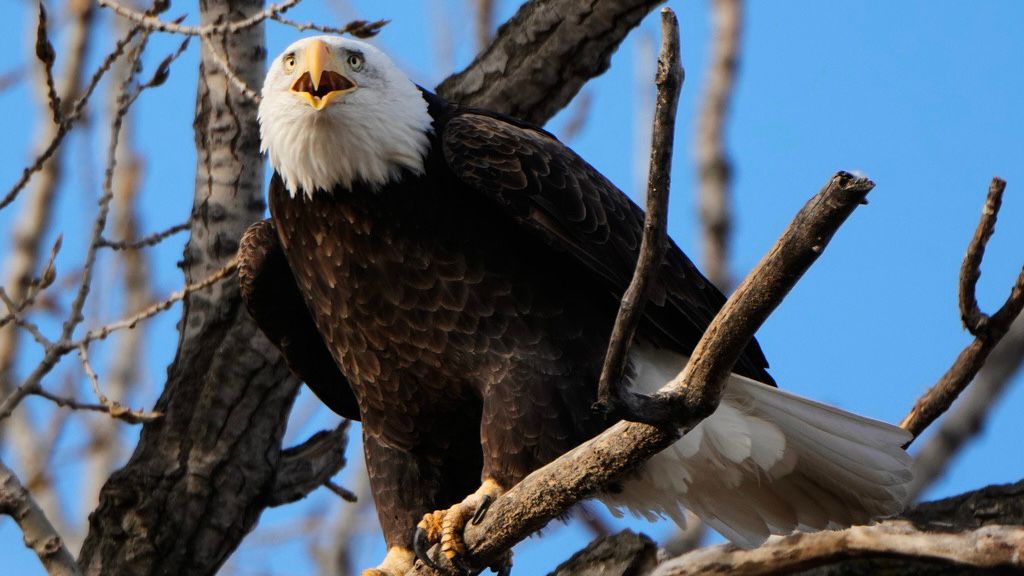
The California condor, bald eagle, grizzly bear, peregrine falcon and gray whale are among the dozens of species that have survived because of the law, Brown said.
The coalition’s lawsuit against the Fish and Wildlife Service challenges the Trump administration’s removal of the regulatory definition of “harm,” which had long meant “significant habitat modification or degradation” that kills or injures wildlife by damaging species’ natural habitats and impairing their essential behaviors, such as breeding, feeding and finding shelter.
In July, the Interior Department justified the change to the “harm” rule, saying in a statement: “This reform is based on the Supreme Court’s 2024 decision in Loper Bright v. Raimondo, which requires agencies to follow the single best meaning of a statute rather than contorting laws to fit political agendas. Using the legally justifiable standard, the Services determined that the prior definition of ‘harm’ was an unlawful regulatory intrusion that interfered with private property rights.”
A separate AG coalition lawsuit against the FWS and National Marine Fisheries Service challenges two rules the FWS changed to reduce protections for threatened species and to alter the process for designating areas as critical habitats.
The attorneys general say the changes increase the risk of species becoming extinct by no longer automatically protecting all newly listed threatened species and by making it easier for FWS to decline designating areas as critical habitats, especially if they are on federal lands.
Both the U.S. Fish and Wildlife Service and National Marine Fisheries Service told Spectrum News they would not comment on ongoing litigation.
“A through line of this administration is to choose projects, endeavors, developments like logging, like mining, like development projects that lead to profit but that harm our environment, that harm our species, that harm endangered and threatened species,” California Attorney General Rob Bonta said at a news conference announcing the lawsuits on Wednesday.
“They consistently choose extraction, exploitation and profiteering over protection and preservation,” Bonta said.
California has about 300 threatened and endangered species that are currently protected by the Endangered Species Act, including salmon, sea turtles, bighorn sheep, blue whales and Western bumblebees, he added.
Bonta and Brown co-led the lawsuit with the attorneys general of Maryland and Massachusetts. Arizona, Colorado, Connecticut, Delaware, the District of Columbia, Hawaii, Illinois, Michigan, Minnesota, New Jersey, New Mexico, New York, Oregon, Rhode Island, Vermont, Virginia and Wisconsin are also plaintiffs.
The attorneys general are asking the court to block the implementation of the new Endangered Species Act rules.
Both lawsuits are filed in the U.S. District Court for the Northern District of California.
Wednesday’s lawsuits follow a similar case filed against the Trump administration in July by environmental groups including Earthjustice, as well as tribal communities, to challenge the rule change on the grounds its reinterpretation violates the purpose of the Endangered Species Act.
That case is ongoing.