




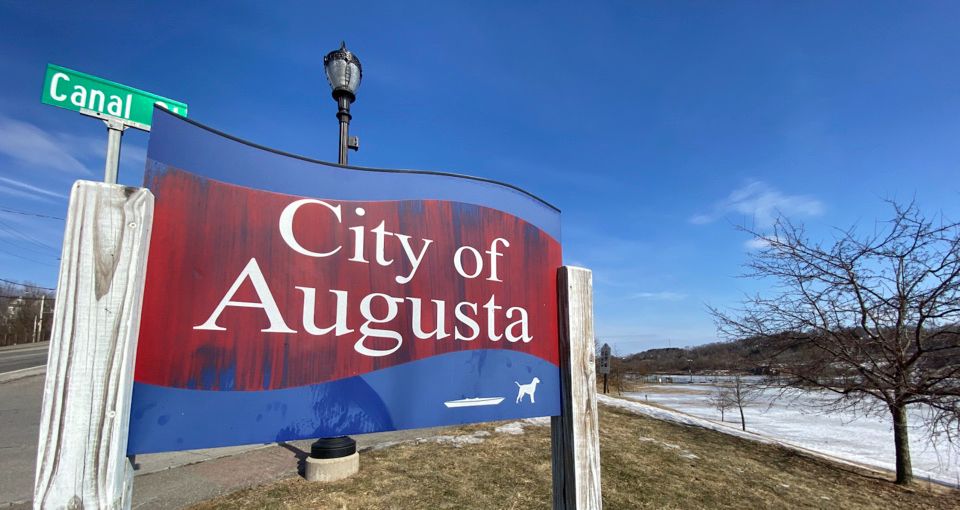
Gov. Janet Mills’ proposed budget gives the state permission to buy two parcels of land in Augusta and build a new facility to serve as headquarters for the Department of Inland Fisheries and Wildlife.
IF&W Commissioner Judy Camuso told Spectrum News Maine that the department needs the space to consolidate four offices and that she envisions a new building that transforms an old brownfield site on the banks of the Kennebec River into an energy efficient destination for anglers and hunters.
“What we’ve been really lacking is a space where we can do education programs and outdoor experiences for people, as well as classroom space and conference room space,” she said.
The state is looking to buy the former Statler Tissue mill site and an adjacent parcel on Willow Street on the east side of the river. The city took possession of the mill in 2009 through a tax foreclosure process and later demolished it.
The IF&W proposal is part of Mills’ supplemental budget, which outlines her ideas for how the state should spend or invest an $822 million budget surplus. However, the budget does not earmark money for the new IF&W headquarters. Instead, it includes language to allow the state to borrow up to $39.5 million for the project.
Next week, lawmakers will begin public hearings on the budget and the final product is likely to be somewhat – if not significantly – different than what Mills has proposed. The big-ticket item is a plan to spend half of the surplus on $500 checks to Maine taxpayers. Mills is also proposing to pay for community college for high school students in the classes of 2020-2023 and invest another $100 million in transportation projects, among other things.
The new IF&W building would meet green building standards and be “a showcase for green energy,” Camuso said.
“We’d be taking what was once a pretty industrial site and reinvigorating it and making it an environmental showpiece,” she said.
Just last year, the department moved its headquarters from State Street in Augusta to the downtown. Camuso said both spaces were leased and are inadequate for the needs of the department. She hopes to see the new building take shape across the river in three to five years.
“I want it to be a net-zero building with clean energy, solar panels, composting toilets, certified laminate timber frame and really show off the alternative ways people can build responsibly and still fit in with the governor’s climate goals,” she said.
The outdoor space would allow the department to hold workshops on how to track animals and possibly a warehouse for demonstrations on how to process a deer, for example. She said the Massachusetts Division of Fisheries and Wildlife headquarters in Westborough is a destination and is similar to what she hopes to accomplish in Maine.
“I think we could do something very similar here where we’re right on the Kennebec River,” Camuso said. “It would also be a tremendous asset to the area and likewise I think it would be good for Augusta to have that area developed.”