




WASHINGTON — The Department of Health and Human Services is adding all 50 states, the District of Columbia and Puerto Rico to an initiative to reduce paperwork handled by state foster care systems so workers have more time to focus on helping foster children, Spectrum News has learned.
“State agencies are, in the most literal sense, submitting reports to us that are 250 to 300 pages, and that's just draining their time and energy from doing things on the front lines that would actually benefit children and families,” Alex Adams, an assistant secretary of the Administration for Children and Families, said in an exclusive interview with Spectrum News.
The newly expanded initiative, called A Home for Every Child, is set to be announced Thursday. It aims to increase the number of homes for foster children and the retention rate of foster parents by simplifying the process for states to share data with the federal government about the barriers to foster care within their jurisdictions.
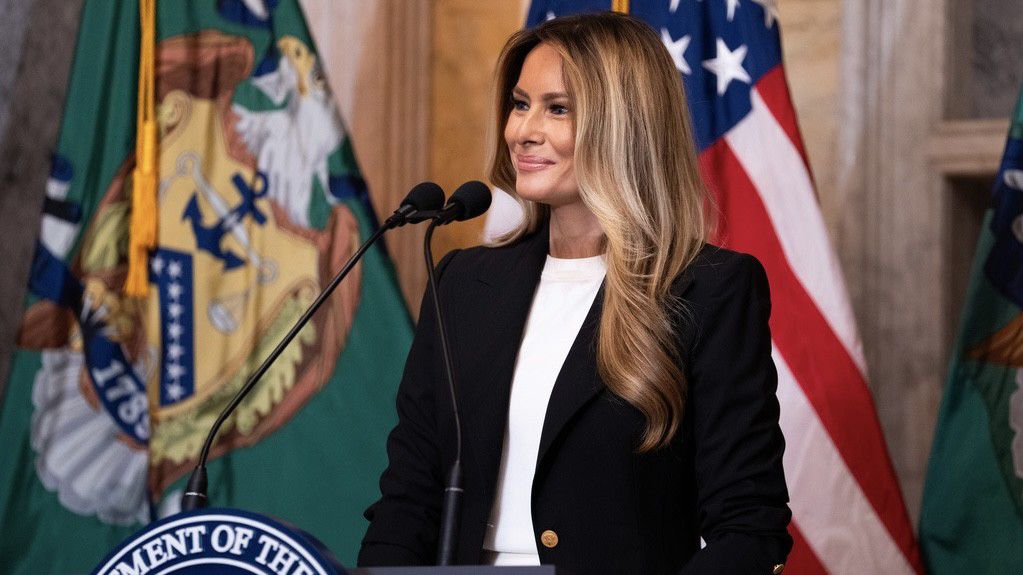
Officials said it’s the result of advocacy by first lady Melania Trump to improve the foster care system and an executive order signed by President Donald Trump in November to make that goal a reality.
The executive order focuses on “modernizing child welfare, expanding educational and employment opportunities, and providing independent savings and investment accounts for youth transitioning out of the system.”
The initiative overhauls Child and Family Services Reviews, which are used by the federal government to monitor state child welfare programs. Until now, states have been required to report how their foster care programs perform in 14 separate areas. Moving forward, states will be allowed to focus on the areas they consider most important.
“We made a bet with states: If they joined the Home for Every Child campaign and reported data to us monthly on the progress they were making, in return we would give them record red tape relief and get the states out of the business of having to submit hundreds and hundreds of pages of report to us that just over time have not proven to be effective.” Adams said.
"We've been very careful not to dictate to states how to get their ratios of homes to kids up," he said. "Some states are going to focus a little bit more on recruitment of new homes, some will focus a little bit more on retention of existing foster homes, some will try to prevent entries of kids coming into foster care in the first place."
Nationwide, there are 100 children for every 57 approved foster homes. The goal of HHS is to improve that ratio.
The Administration for Children and Families, known as ACF, is also creating a competition among the states to increase the number of available foster homes. ACF is offering $7 million in cash awards to be given to the states that have the best and most improved ratios of foster homes to children.
Cody Inman, the principal deputy assistant secretary at ACF, added that some of the issues in the foster care system include licensing timelines, retention and lack of licensed foster parents. He said the gap puts kids in danger, which is another issue ACF is trying to fix with this new effort.
“What happens is you have kids going into shelters, hospitals, office building settings that are not conducive for a safe placement. So, what we want to do is go back to the states and say, 'What[are the barriers at the state level that can be removed to help make this move more quickly?'” Inman said.
All states are on board, with the agency saying it allows them to remove extra paperwork in exchange for providing monthly data to make real-time decisions based on the state reports.
Adams previously served as the Department of Health and Welfare director for the state of Idaho. In that role, he said he witnessed a lack of collaboration between the states and the federal agency in Washington, which is what he hopes to address now and in future programs.
“I've got a daughter of my own, so I certainly want all foster youth to have the same opportunities that my daughter is able to have,” he said.
Editor’s Note: Previous versions of this story misstated that the initiative is new and now includes all U.S. territories. The initiative was launched eight months ago, but all remaining states, the District of Columbia and Puerto Rico have recently joined. (July 9, 2026)