




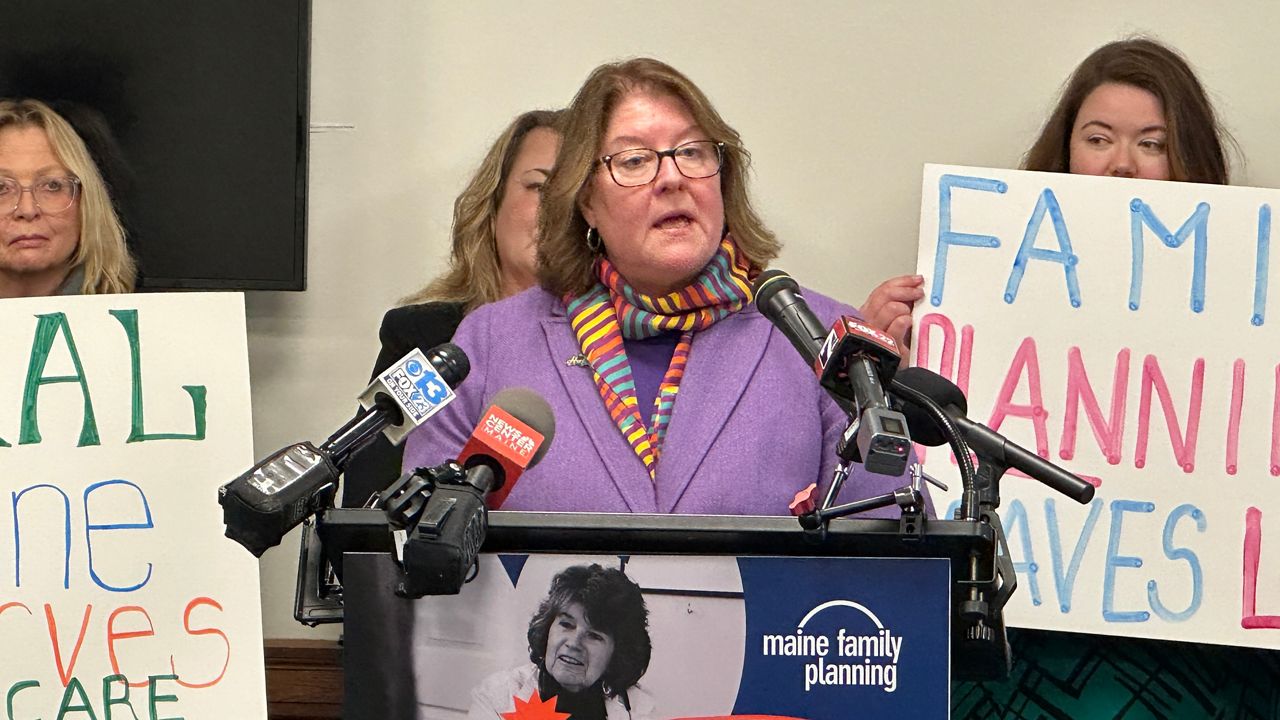
AUGUSTA — Supporters of family planning health care are backing a new measure to substantially increase state funding for services that include testing for sexually transmitted diseases, birth control, vaccines and cancer screenings.
Senate Majority Leader Teresa Pierce (D-Falmouth) is the lead sponsor of LD 143, which seeks to direct more than $6 million a year to a network of providers at more than 60 sites statewide. Of the 31,000 patients who receive care each year, 70% qualify for free or reduced cost care.
The services have been funded by the state at $900,000 a year for 10 years and providers fear increased demand and reduced federal support means the state will have to fill a widening gap.
“We’re making this a priority,” Pierce said. “It is a difficult time for us to financially decide how to spend the state’s treasure. But spending it to help people stay healthy in rural communities and urban communities is an absolute priority for us.”
In some parts of the state, the providers serve as primary care clinics for routine gynecological exams, behavioral health services and gender-affirming care. The funds do not pay for abortions, supporters said Thursday during a State House press conference.
George Hill, president and CEO of Maine Family Planning, said the rural nature of the state means that many people live far from doctors’ offices. He urged lawmakers to step up to ensure that some level of care will continue in rural parts of the state.
“A lack of action by the state Legislature will make a bad situation even worse,” he said.
In some parts of Maine, including Calais, Machias and Rumford, clinics are open only one or two days a week, creating barriers to care, Hill said.
Lisa Margulies, vice president of public affairs at Planned Parenthood of Northern New England, said the local clinics are seeing increased costs and workforce challenges.
“While we aren’t currently contemplating closures the reality is we’re facing a budget deficit in the next three years that could force us to make tough decisions in the coming months and years,” she said.
A public hearing on the bill is set for 10 a.m. Monday before the Legislature’s Health and Human Services Committee.