




A multistate coalition filed a lawsuit against the Trump administration Monday alleging it is illegally providing sensitive personal information from a federal assistance program for needy families to the Department of Homeland Security and other agencies.
The lawsuit claims the Administration of Children and Families is attempting to disclose the Social Security numbers, marital status and personal incomes of recipients of the Temporary Assistance for Needy Families, or TANF, program.
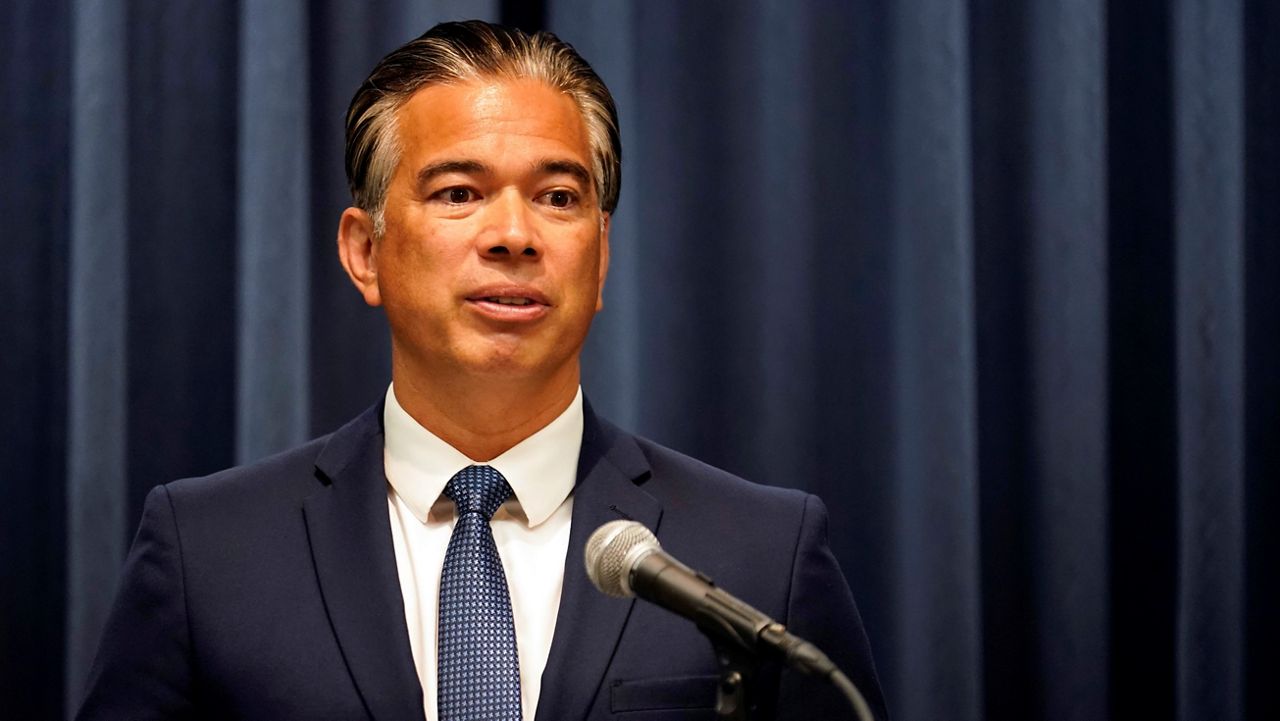
“People who are struggling to get by shouldn’t be afraid to turn to their government for support to feed and clothe their kids, put a roof over their family’s head or get critical medical care,” California Attorney General Rob Bonta said Monday. “They shouldn’t worry that accessing the help they need may result in the exploitation of their personal information and violation of their privacy.”
In existence since 1996, the Temporary Assistance for Needy Families program “has served as one of the nation’s primary economic security and stability programs for families and children with low incomes,” according to the ACF website.
It provides about $16.6 billion annually to states, territories, the District of Columbia and Native American tribes, the agency said, for low-income families to help pay for housing, food, utilities, clothes and medical care.
Monday’s lawsuit stems from a Systems of Records Notice the Trump administration issued in July that sought to broaden the federal government’s oversight of TANF and share recipients’ personal information with federal, state and private entities, Bonta said.
“Democrats are once again admitting that their top priority is ensuring illegal immigrants can receive taxpayer-funded benefits meant for American citizens," White House spokesperson Kush Desai told Spectrum News in a statement. "The Trump administration will continue to protect and preserve these key federal programs for American citizens.”
Filed in the U.S. District Court for the District of Columbia by 23 state attorneys general and two governors against the Administration for Children and Families, its assistant secretary and the Office of Family Assistance, the lawsuit argues that the notice violates the U.S. Constitution's spending clause, which gives Congress the authority to allocate funds for programs that benefit the public.
It also argues the notice violates the Administrative Procedure Act, which governs how federal agencies establish rules, and the Computer Matching Act, which regulates how federal agencies can use computerized records.
The attorneys general for California, New York and Washington, D.C. led the lawsuit. The attorneys general for Arizona, Colorado, Connecticut, Delaware, Hawaii, Illinois, Maine, Maryland, Massachusetts, Michigan, Minnesota, Nevada, New Jersey, New Mexico, Oregon, Rhode Island, Vermont, Virginia, Washington and Wisconsin are also plaintiffs in the case, along with the governors of Kentucky and Pennsylvania.