




PORTLAND – After a marathon of public comment, the Portland City Council on Monday approved a 180-day moratorium on new music venue projects by a vote of 6-3.
The moratorium came on the heels of a proposal to build a 3,300-seat music venue next door to the Merrill Auditorium on Congress Street. The proposal comes from Live Nation, a company that runs similar venues throughout the U.S.
Monday’s meeting addressed a range of concerns -- from fears of a large, out-of-state company damaging local culture to the legal question of impeding a developer that followed proper rules and procedures.
The 180-day moratorium prohibits new development of theater and performance hall projects with more than 2,000 seats. The moratorium could effectively block progress on Live Nation’s proposed venue until March 9, 2026.
The moratorium did not, however, pass as an emergency measure, which would have required seven votes, and won’t take effect for 30 days.
That means the planning board, which has a meeting on the proposal Tuesday, may still take action.
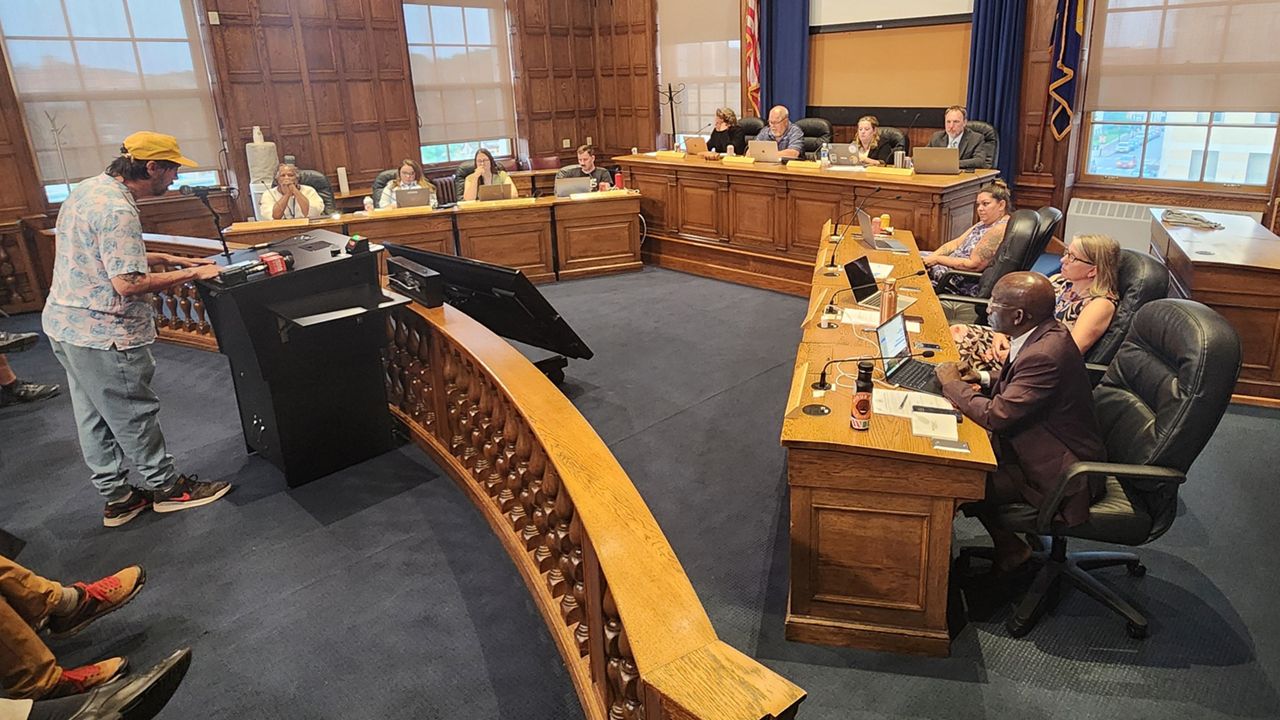
On Monday, the council chambers were packed and a line of people waiting to speak stretched outside the council chambers and snaked more than 20 feet down the hall.
Dozens spoke over the course of nearly four hours. Speakers ranged from musicians to current and former music industry employees to local small business owners and representatives of Live Nation.
Live Nation critics noted that the company, which also owns the ticket sales network Ticketmaster, is currently the defendant in a federal antitrust lawsuit. To date, 39 states and the District of Columbia have signed on as co-plaintiffs.
According to legal documents, “Live Nation and its wholly owned subsidiary, Ticketmaster, have used that power and influence to insert themselves at the center and the edges of virtually every aspect of the live music ecosystem. This has given Live Nation and Ticketmaster the opportunity to freeze innovation and bend the industry to their own benefit.”
Supporters of the moratorium begged the council to protect the city’s independent music scene.
“If this venue is booked by a giant corporation like Live Nation, our small-town culture will not grow. It will be swallowed,” said Daniella Solano, a Portland resident and floor manager at local bar Room for Improvement.
Opponents of the moratorium included Don Law, chairman of Live Nation New England. He said the proposed venue represents a bridge between smaller, independent venues and larger, big-city arenas.
“We want to support the local venues,” he said. “We have no intention of competing with them.”
Mayor Mark Dion and Councilor Regina Phillips expressed concerns about trying to stop a developer that had followed the rules the city set.
“The issue as to what kind of business model Live Nation presents is irrelevant to the decision on the construction of a facility that satisfies all our standards and codes,” Dion said.
Dion added that the council should not be swayed by comments about how Live Nation had impacted other communities, as its impact on Portland could be quite different.
In the end, Dion, Phillips and Councilor Pious Ali were the dissenting votes. The measure passed, and takes effect in 30 days.