




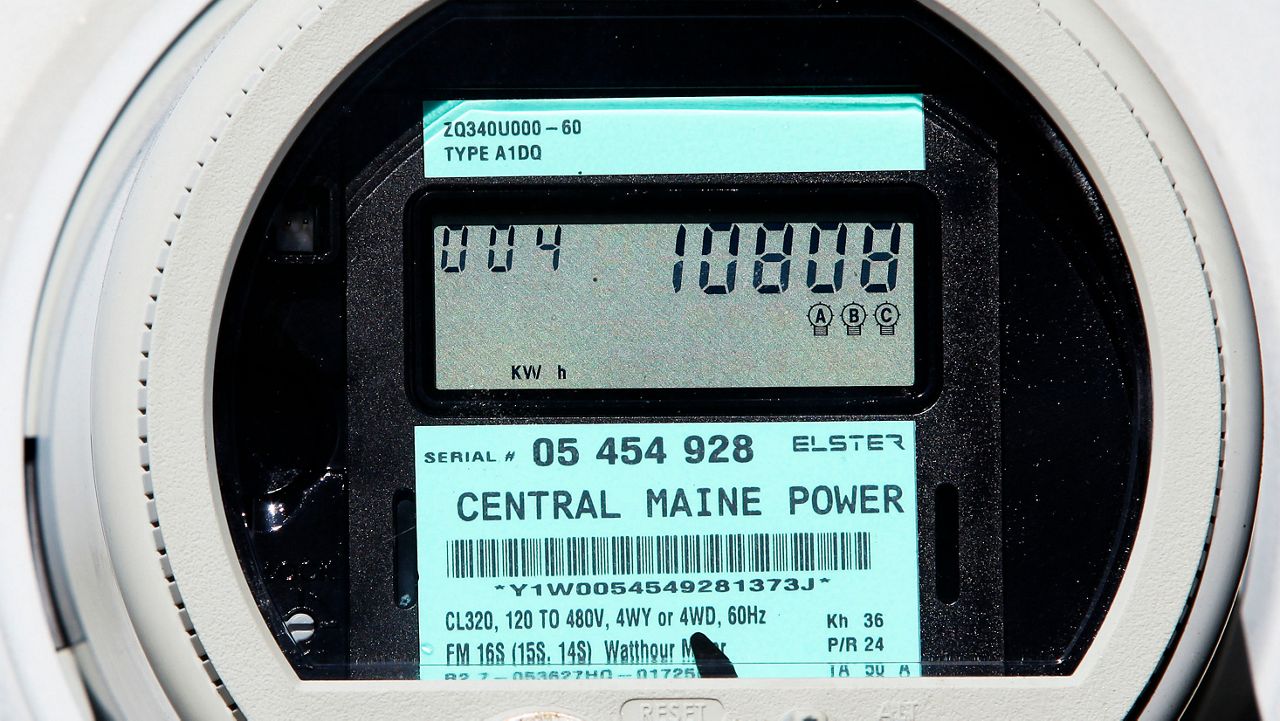

State legislators last week passed a bill requiring the Public Utilities Commission to consider the impact of affordability and publicize data from utility companies in an effort to rein in the increasing cost of energy.
The bill, LD 1949, was introduced late last session and ultimately passed the Maine Senate 22-13 but did not receive a vote in the House of Representatives and was sent back to the committee to refine.
“LD 1949 strengthens the framework in which decisions are made about our electric system, ensuring that the voices and budgets of Maine households are squarely in the equation,” said sponsor Sen. Anne Carney (D-Cumberland) ahead of the Senate vote last week.
The House passed the bill Thursday and it now heads to Gov. Janet Mills for her signature.
The amended bill requires the Public Utilities Commission to execute its duties while considering the impact on affordability for residential energy customers.
“What this legislation does is it really recognizes the importance of affordability and the impact that’s having on our customers across the state,” said PUC Chair Philip Bartlett II.
Bartlett said although affordability is already a key consideration for the commission, this bill continues to shine a spotlight on the issue.
“We see this in Maine, also across the country I know folks are grappling with this, and so I just see this as a sign that the Legislature is understanding the challenges that people are facing, and are looking to both call attention to it, but also develop better tools to measure and try to address it,” he said.
The bill also directs the PUC to develop an affordability metric to assess the impact of power bills on customers’ overall energy burden, which would be submitted to a legislative committee by Jan. 15, 2027.
Bartlett said he hopes this will help provide an objective measure of Maine energy prices over time and that the process of working with stakeholders to develop the metric “will help to create some common understanding around what we mean by affordability.”
The bill comes as residents are struggling with rising energy costs — Maine has some of the highest electricity rates in the country — only five states had higher residential prices in November 2025. Last fall, Maine’s public advocate said most power customers are likely to pay at least $150 more in 2026.
If the bill is signed into law, the commission website will also publicize data from utility companies related to credit and collection activities; conduct a comprehensive review of utility rates, during which it will consider options to contain costs in power delivery rates, reduce transmission and distribution utility bill volatility, and increase bill transparency.
These measures were applauded by advocates who hope they will help better alert customers about the possibility of disconnection.
“Paying an electric bill should not be something that’s out of reach for working Maine families,” said Sarah Woodbury, legislative director of Maine Conservation Voters. “We need increased transparency and accountability for our utility companies to ensure electricity is affordable for the hardworking people of our state. LD 1949 lays the groundwork for a fairer, more affordable energy system, officially establishing affordability as a key consideration for regulators and compelling utility companies to tell Maine people who gets their power shut off, when, and why.”
The original version of the bill from last year included protections for vulnerable populations against power disconnection, enhanced utility accountability and environmental justice requirements.
During a public hearing in May, Carney said the goal was to address the “twin challenges” of high energy costs and harmful fossil fuel emissions. At the time, she described the bill as “a meaningful step toward making sure our energy systems work for everyone, not just those who can afford to keep up.”
But key energy officials, including the public advocate and representatives from the PUC and the Governor’s Energy Office, raised concerns about unintended consequences of the sweeping proposal and recommended carrying it over to the 2026 session to allow for more time to work out the details.