





KENNEBUNK – Higher diesel fuel prices are worrying lobster fishermen in Maine, just as the summer fishing season is beginning to ramp up.
“It’s going to be more expensive for them to fish if this continues,” said Marianne LaCroix, executive director of the Maine Lobster Marketing Collaborative.
National data from the U.S. Energy Information Administration shows the on-highway diesel fuel price on May 25 was $5.52 a gallon. That’s up more than $2 a gallon compared to the same time a year ago.
In New England, the data shows the price on May 25 was $5.80 a gallon, up almost $2 versus a year ago.
“Diesel fuel is one of the big expenses for fishing,” LaCroix said. “Higher fuel costs just makes it more expensive for them to fish.”
Right now, there are about 5,000 lobster fishermen operating off the coast of Maine, and the busy season starts in June.
The summer also means big business for The Clam Shack, a seafood restaurant and market in Kennebunkport. Owner Steve Kingston said he sells lobster rolls, lobster meat by the pound, and live lobsters. On a good day, he’ll go through 1,000 pounds of live lobster, and sell as many as 500 lobster rolls to hungry visitors.
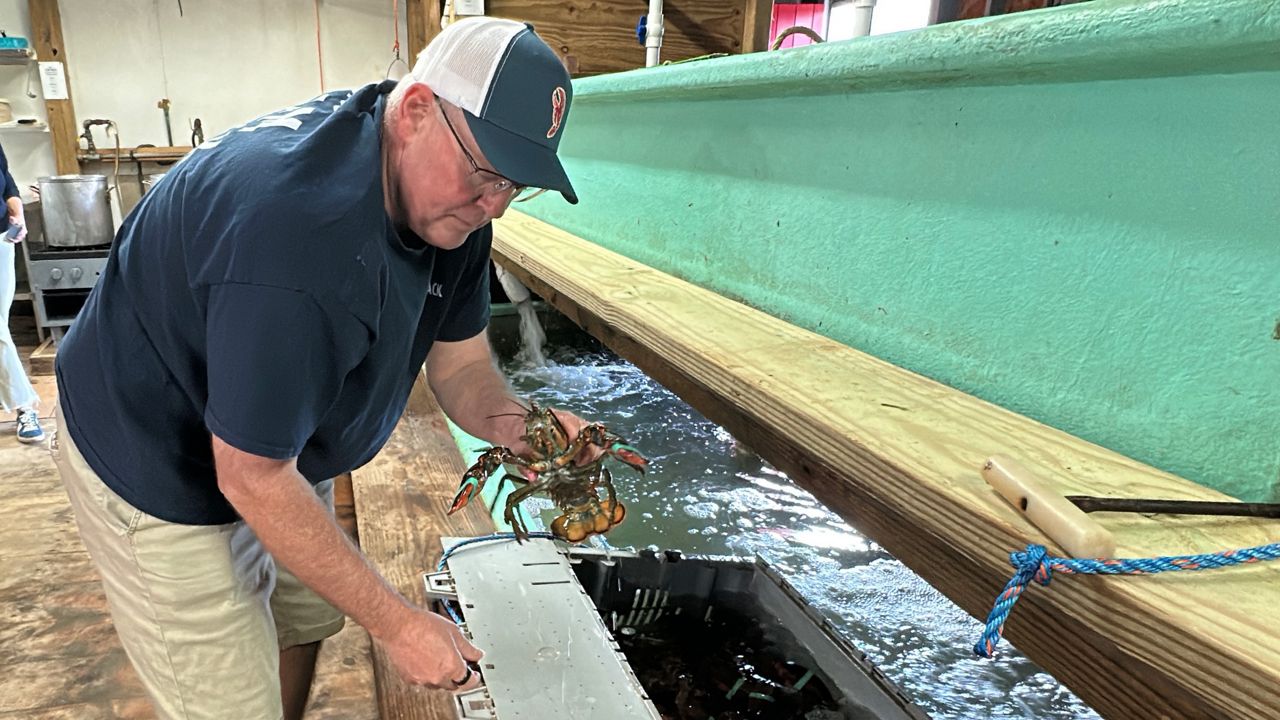
Even on the past rainy Sunday, which he called a “slow” day, he still sold 200 rolls.
“When we get cranking in July and August, we buy a lot of lobster,” he said.
On Monday, as his store was preparing to open, he talked about his business model, which includes buying lobster directly from about 5-6 lobster fishermen, all based in Kennebunkport.
“The cost of diesel fuel is going to definitely affect their income, their profit, and I definitely worry about them,” he said. “I feel for them.”
Kingston said if the cost of lobster fishing goes up, that might drive up his costs, which also worries him.
“If we get too high on the cost of a lobster roll, there’s some pushback and tourists will make another decision, or they won’t come as often, or they won’t get as many,” he said.
Exactly what the financial toll will be this summer is still up in the air. LaCroix noted that other costs, such as bait or labor, can also fluctuate from season to season.
“There’s a lot of factors at play,” she said.
Kingston said he doubts the higher fuel costs will put anyone out of business, especially larger fishing operations, but it’s still enough to worry everyone.
“Lobstermen have one item to work with, and when the cost for fishing for that item goes up, on insurance, on fuel, on bait, they don’t have a lot to work with, so the higher fuel prices are not good for our industry,” he said.