ORONO — Experts are warning that Maine has just a few weeks left to start fighting an outbreak of a tree-killing pest.
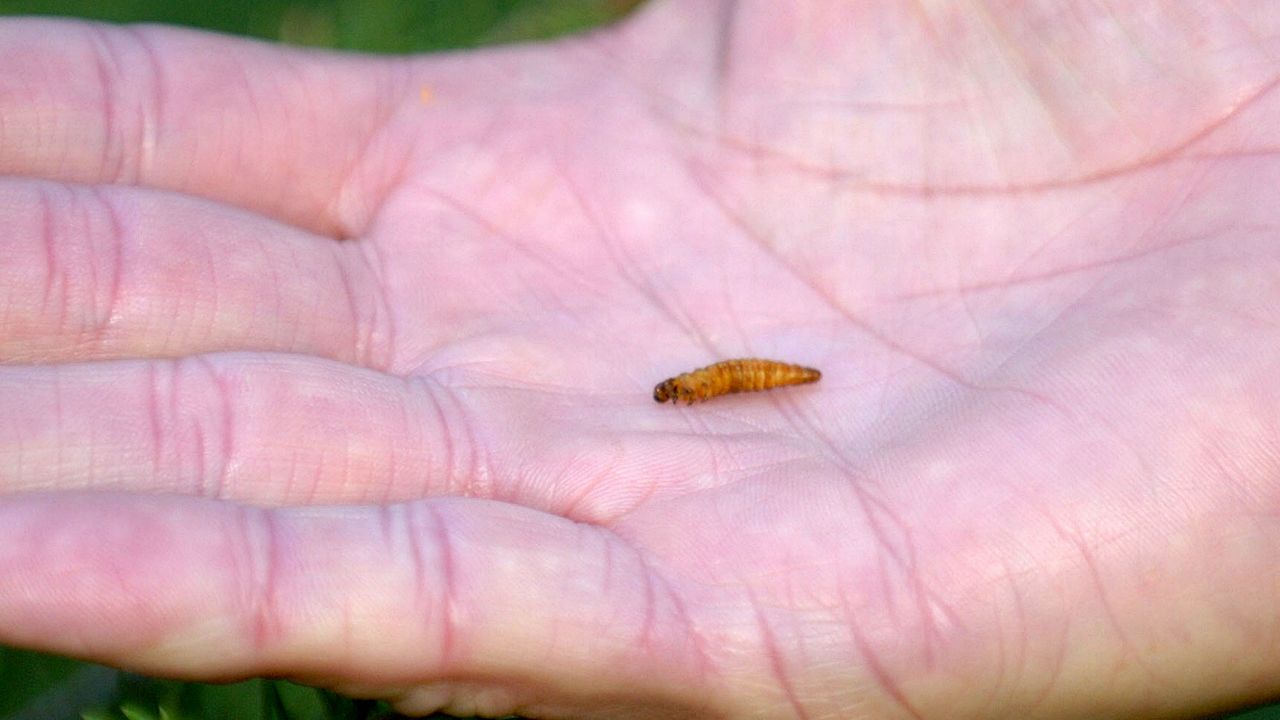
It’s called the spruce budworm, which becomes an adult moth and caterpillar, and it’s a destructive native insect that feeds on spruce and fir trees.
Outbreaks come roughly every forty years, and Maine is experiencing one right now. However, experts said early intervention can cut down the population and prevent expansion.
According to the Maine Forest Service, the last outbreak happened in the 1970s-1980s, damaging and killing around 7 million acres of spruce and fir trees.
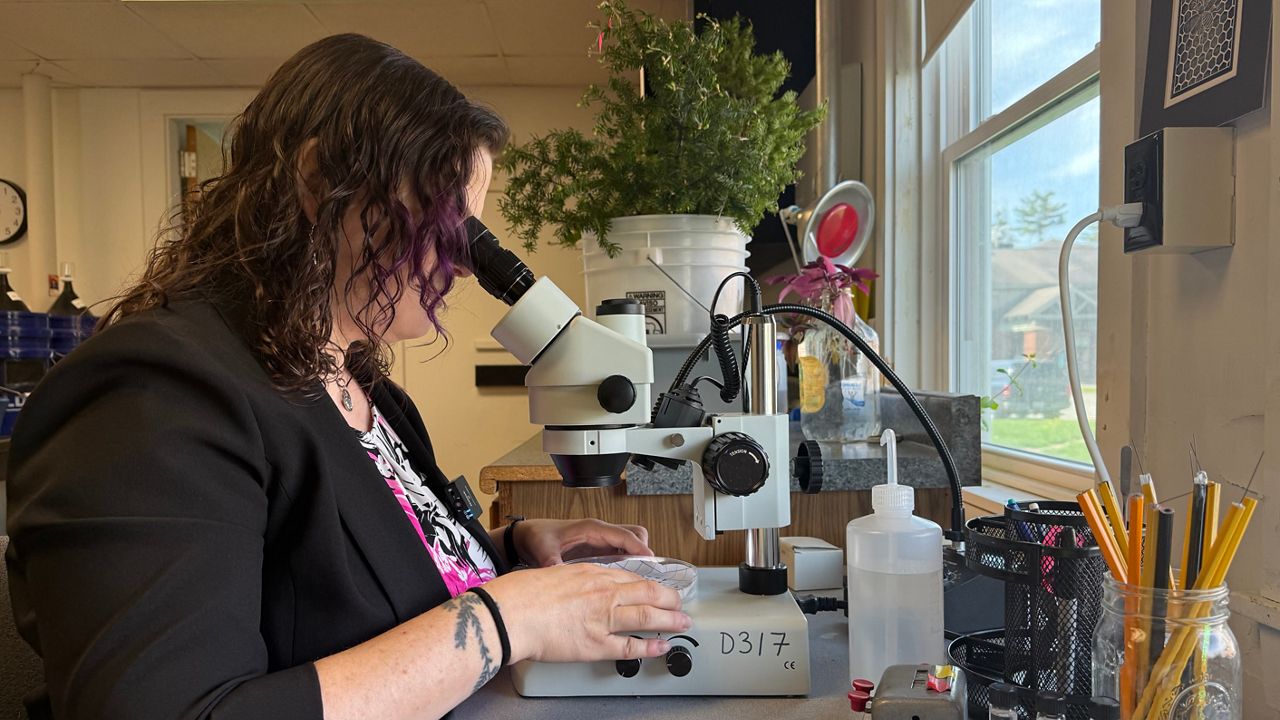
“During the last outbreak, we had millions of acres of spruce and fir that died,” said Angela Mech, an associate professor of forest etymology and the director of the Spruce Budworm Processing Lab at the University of Maine. “And so, it was very detrimental to the state economy [and] to the forest industry.”
Mech said the current outbreak first began in Quebec, Canada in 2008, but began spreading and first hit Maine around two years ago.
Now, at the 11th hour, $10 million in federal funding is being released to allow Maine to spray and kill budworm larvae before they wake up for the season.
U.S. Sen. Susan Collins, R-Maine, announced Tuesday evening that the U.S. Forest Service has signed a grant agreement with the State of Maine to allow for the release of the money.
According to Collins’ office, the senator secured $14 million in 2024 supplemental appropriations and another $10 million in the Fiscal Year 2026 Interior Appropriations Bill to address the outbreak.
The release of this year's funds comes after Collins questioned the U.S. Forest Service last week and urged leadership to rapidly release this year’s federal funding to combat the spread of the pest.
“It is absolutely crucial that these funds be deployed in a timely manner so that the spraying can occur when it is most effective,” said Collins.
U.S. Forest Service Chief Tom Schultz told Collins at that time that the Forest Service was working on the issue.
“I would expect that those [funds] would be available here shortly,” said Schultz.
The funding supports the spraying and killing of budworm larvae through a process called the Early Intervention Strategy.
Through this process, Mech said the Maine Forest Service and the University of Maine Spruce Budworm Lab monitor populations and then treat hotspots with insecticides.
“The concept behind that is to catch the budworm populations right as they’re starting to grow into the outbreak phase, and kind of knock them down,” said Mech.
It’s a strategy first used in Canada, Mech said, but was implemented successfully in Maine last year thanks to collaboration between the Maine Budworm Response Coalition and the Maine Forest Service.
At lower levels, Mech said natural predators of the insect can more easily keep the population in check.
“They implemented early intervention strategy on about 250,000 acres and it was extremely successful,” said Mech. “So now, this year, because of that we have a smaller area of hotspots that we found, about 70,000 acres, so now that’s going to get treated.”
According to the Maine Forest Service, populations in treated areas dropped by approximately 95% last year.
However, Mech added that continuing treatment during an outbreak is essential, because the populations can explode rather quickly.
“If we look at just one year difference in 2023-2024, that processing season we only found about 30,000 acres of hotspots,” said Mech. “And within a year, that jumped up to over 300,000.”
Mech added that outbreaks can last between 10 and 15 years.
And without early intervention, the state would see some negative impacts.
“The budworm population would continue to grow, we would see the impacts on the landscape, we would have impacts in the industry,” said Mech.
Right now, Mech said populations are mostly focused in northern Maine.
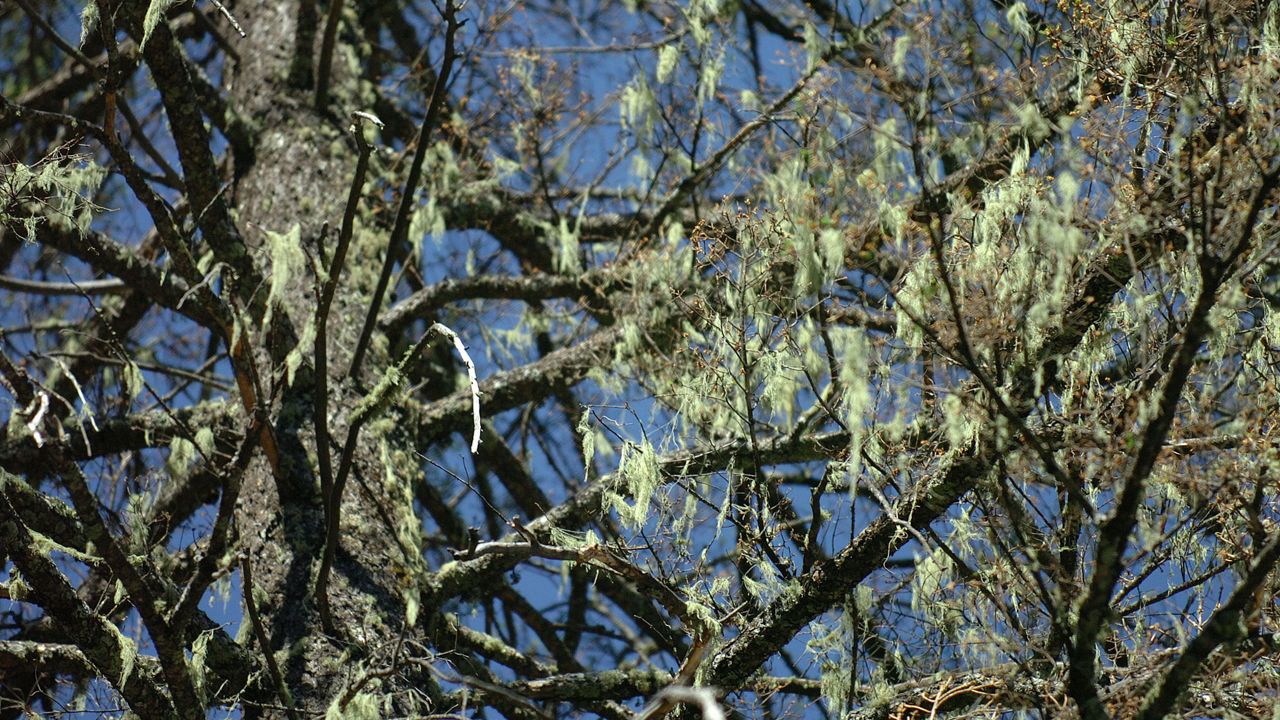
Signs of affected trees include a reddish-brown tinge on the tips of branches, as well as branches wrapped in silk.