




FALMOUTH — Hundreds of Mainers have signed a petition to try to stop federal efforts to allow the use of lead ammunition at two wildlife refuge areas in Maine.
Nick Lund, advocacy and outreach manager for Maine Audubon, said the ammunition harms scavengers like bald eagles, coyotes and ravens that feed on animals injured or killed by hunters.
“There’s a movement across the country to phase out the use of lead,” Lund said. “We’re not pushing it. A lot of education is needed but some areas are deciding to phase out the use of lead ammo.”
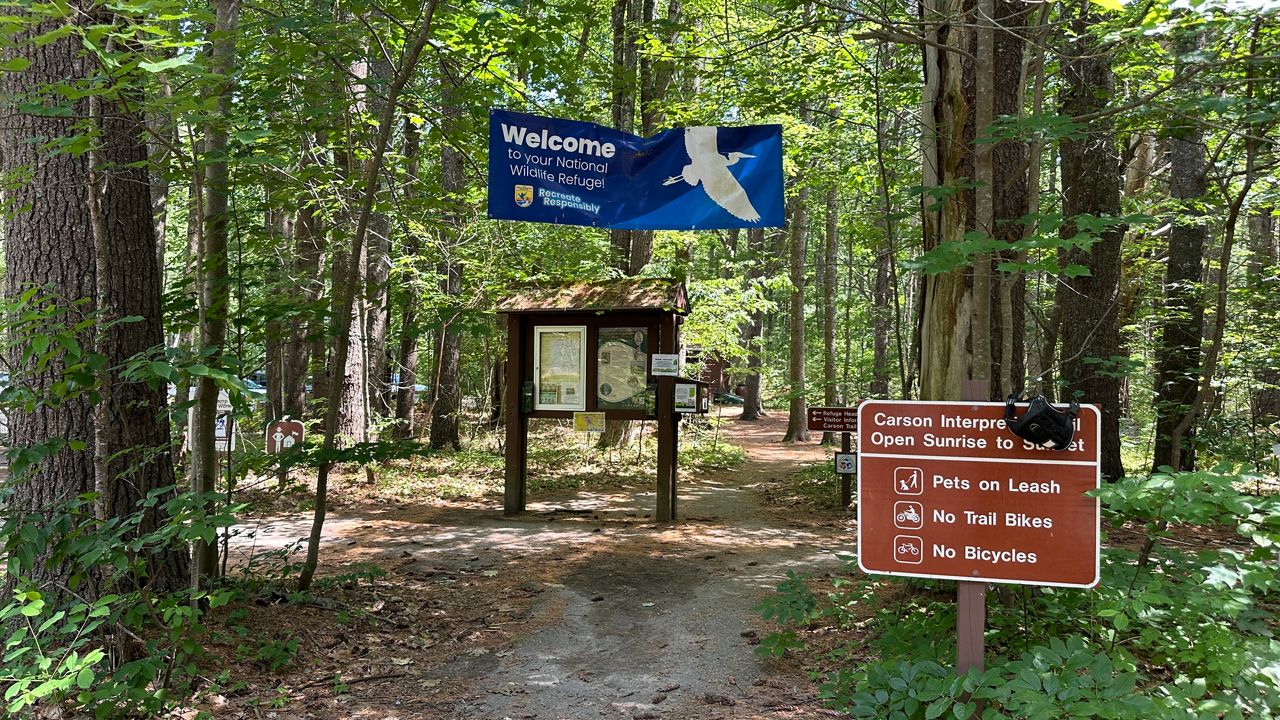
The change could impact the Rachel Carson National Wildlife Refuge in Kennebunk and Great Thicket National Wildlife Refuge, which covers shrubland in York County and other parts of the Northeast.
A spokesperson for the Department of the Interior said they could not respond to comments received from Maine Audubon and others but shared a May 26 press release announcing an intention to open more federal land to hunting and fishing.
The changes would affect 111 areas in 32 states.
“For too long, access to hunting and fishing on federal lands has been limited by unnecessary restrictions and disconnected federal rules,” Interior Secretary Doug Burgum said.

Although the press release does not specifically mention the use of lead ammunition, it references updating regulations to improve consistency from site to site and reducing “confusion caused by overlapping or outdated federal requirements.”
Four years ago, under the Biden administration, the federal Fish and Wildlife Service started a process to phase out the use of lead ammunition at the two sites in Maine. The ban was to take place on Sept. 1.
“It’s frustrating again to have lead be back on the landscape,” Lund said.
Maine Audubon will continue to follow the federal process to try to push back on the change, he said. In Maine, Audubon has worked with state lawmakers to phase out the use of lead in fishing gear, an important step to keep the loon population healthy.
From the federal government’s perspective, the idea is to simplify regulations across the country and ensure access to hunting and fishing for all who want to enjoy the outdoors.
In total, fish and wildlife is proposing more than 500 “revisions and deletions to existing regulatory provisions” to make it easier for hunters and anglers to comply with the rules.
“This is about commonsense access, supporting rural economies, and ensuring the next generation can experience the outdoors the same way so many of us did growing up,” Burgum said.