




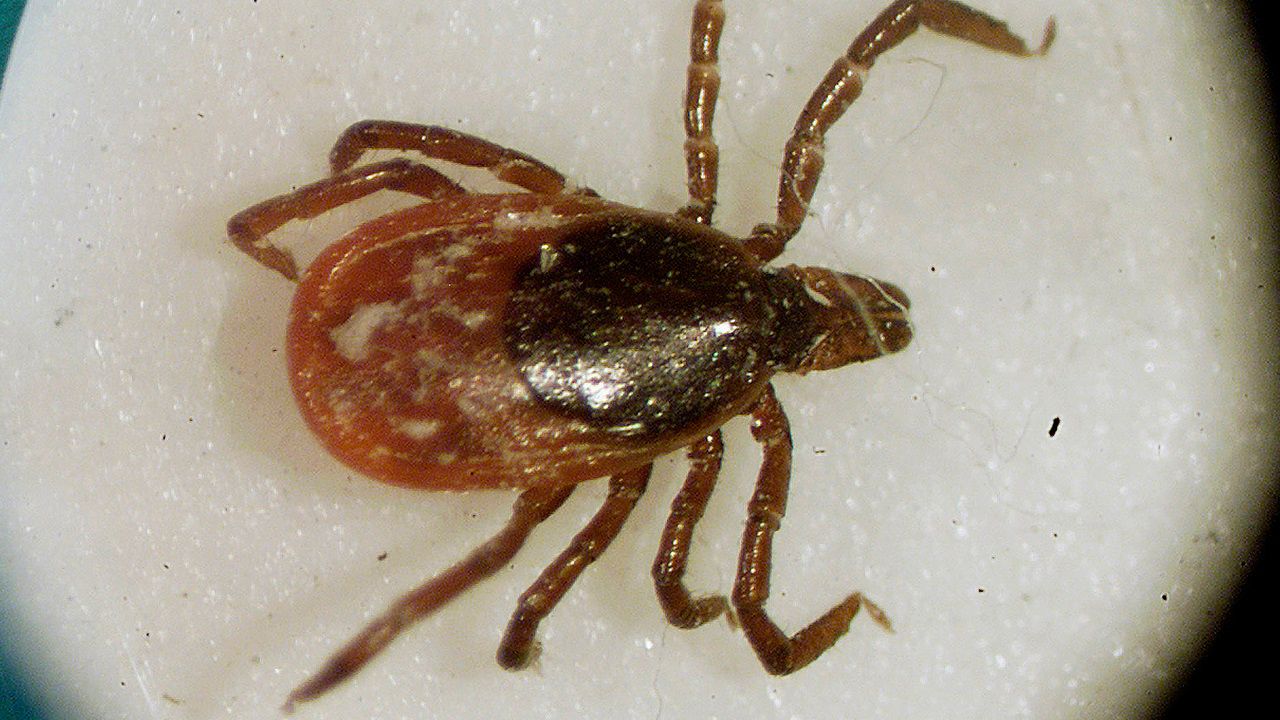
SCARBOROUGH –– As the weather gets warmer, experts are urging Mainers to be aware of the risk of tick bites, and diseases such as Lyme disease that deer ticks can carry.
“Every year, there’s substantial risk within our state for deer ticks particularly,” said Dr. Robert Smith, infectious disease physician and director of the vector-borne disease lab at the MaineHealth Institute for Research in Scarborough.
Nationwide data suggests a rising trend in Lyme cases this year. According to the U.S. Centers for Disease Control and Prevention, case counts are on the rise in the northeast, midwest, and western parts of the country.
Nationwide, emergency room visits related to the disease are up more than 25% in April of 2026 compared to last year, according to CDC data.
In Maine, Smith said hasn’t seen any indication of whether this tick season would be better or worse than last year.
The summer months, particularly June and July, tend to be the months ticks are most active, though Smith said they can be active any time of the year.
“We see adult ticks out in the spring as soon as the snow cover is gone on a warm day,” he said.
Milder temperatures in the 2024-2025 winter meant less snow cover, but Smith said even the harsher winter that Mainers experienced this past season won’t keep tick populations down.
Instead, Smith urged Mainers to be just as vigilant as always, particularly for deer ticks. They are most common, he said, in heavily wooded areas, and places where there is plenty of brush.
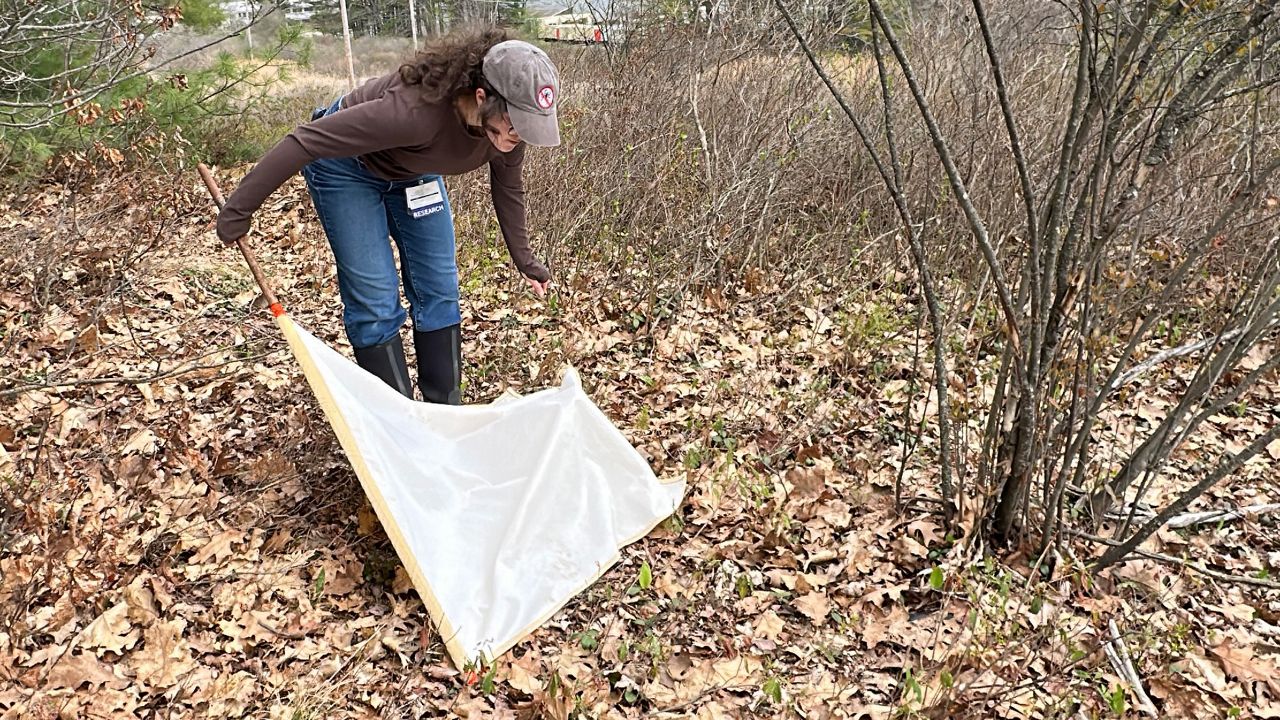
For those spending a lot of time outside, Smith recommended an EPA-approved insect repellant, and to check with veterinarians for similar treatments for pets.
Along with repellants, Smith also suggested people get in the habit of checking themselves after working or spending time outdoors, to make sure nothing has hitched a ride.
Checking pets that have been outside, particularly dogs, Smith said, is also a good idea.
“They’re a pretty good indicator -- if you find ticks on your dog -- that you’re going to be at risk, too, because they’ve probably been in the same areas that you have,” he said.
Smith said many diseases spread through tick bites and recommended checking the Maine Center for Disease Control and Prevention’s website for more information.
Smith added, however, that Lyme disease can be spotted pretty easily. Any circular or oval-shaped redness, not just the signature “bullseye” pattern, could be a sign of infection.
Smith said anyone seeing a rash that might indicate Lyme disease, or experiencing other symptoms such as an unexplained fever, should seek medical attention right away.
“It’s highly effective to get early treatment,” he said.