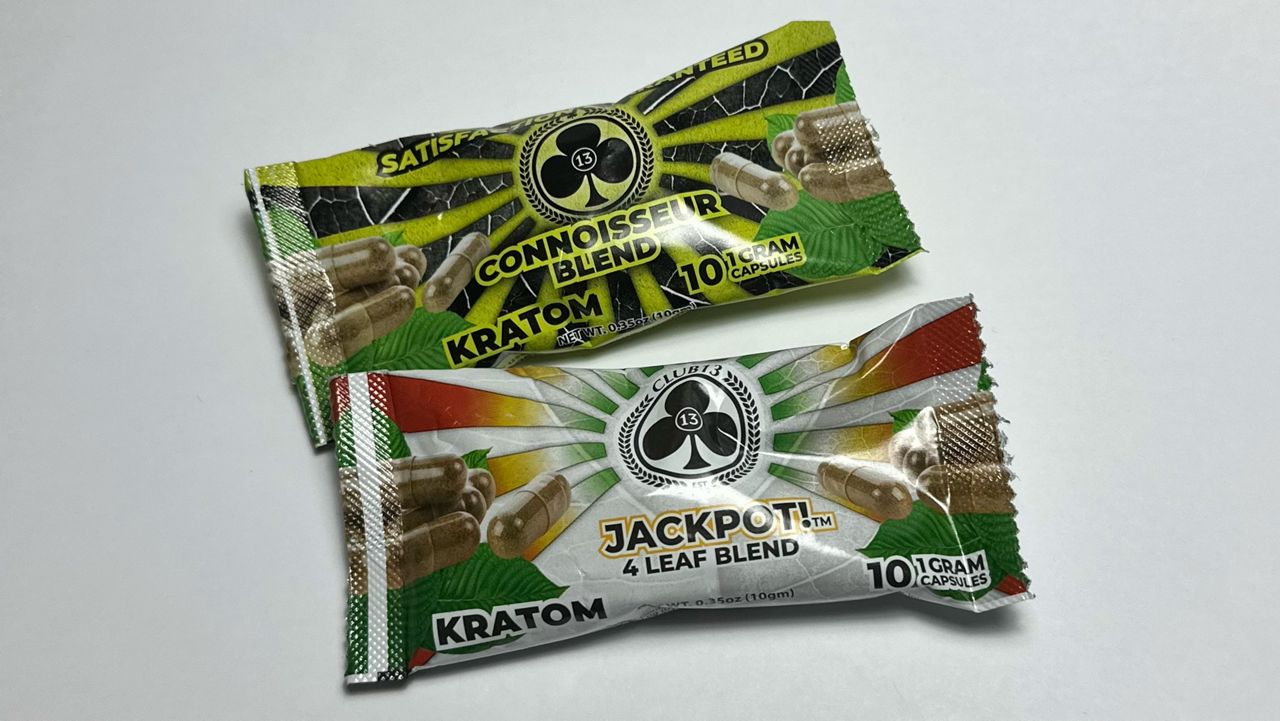


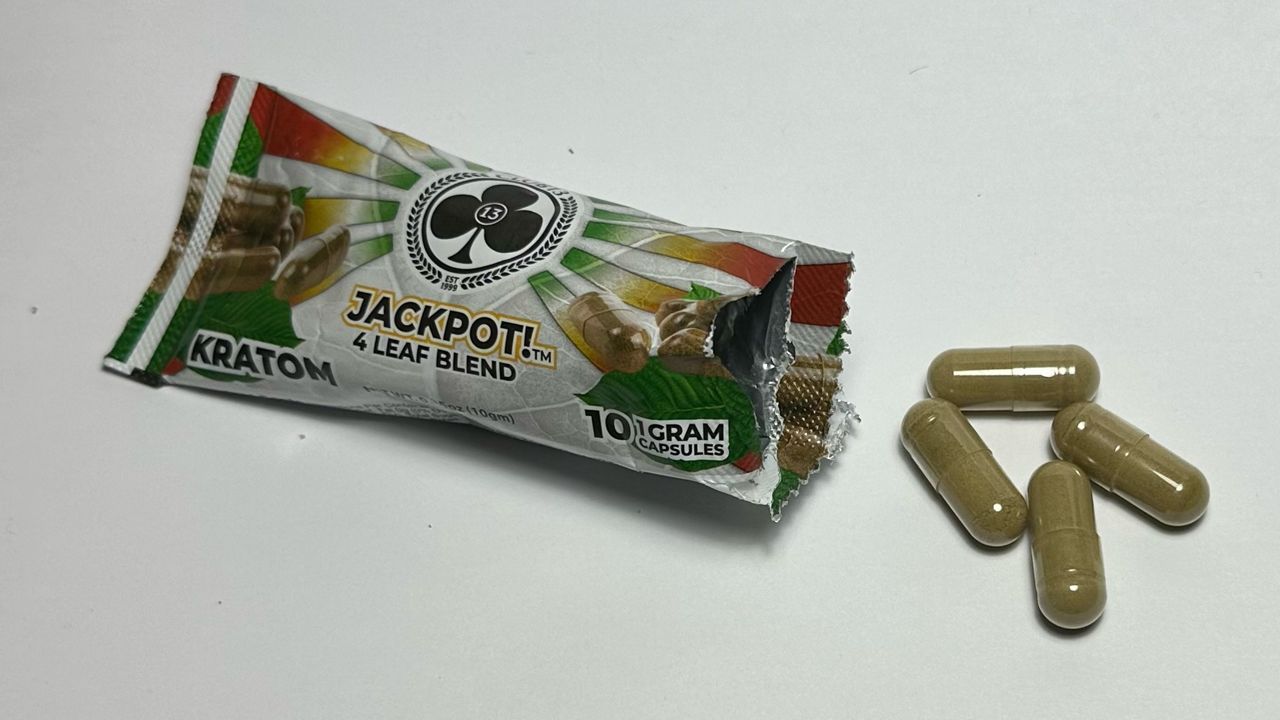
PORTLAND –– Health professionals in Maine are seeing increases in emergency department visits and calls to poison hotlines because of the popularity of an unregulated but easily accessible herbal substance.
Derived from the kratom tree that grows in southeast Asia, kratom-based substances are sold in powder, pill and liquid form, often at convenience stores and gas stations.
The Mayo Clinic describes kratom as "a supplement that is sold as an energy booster, mood lifter, pain reliever and remedy for the symptoms of quitting opioids ... .”
Mayo Clinic also call it “unsafe and ineffective.”
Dr. Carin King Malley is an emergency physician at Maine Medical Center and medical toxicologist with the Northern New England Poison Center. She said calls to poison control and visits to her emergency room related to kratom have increased in recent years, as has the potency of kratom-based products.
Exact data was not available, but she said there’s been at least a 50% increase “if not more” of calls to poison control regarding kratom over the past few years.
Nationally, between 2015 and 2025, calls to poison centers related to kratom surged 1,200%, according to the U.S. Centers for Disease Control and Prevention.
States across the U.S. are also seeing overdose deaths involving kratom. In Florida, for example, around 580 people died of kratom-related overdoses over the past 10 years, according to reporting by the Tampa Bay Times.
Kratom-linked overdose deaths frequently involve other drugs including opioids. But in dozens of cases, kratom was the only substance detected in fatal overdoses.
Malley said she doesn’t expect a wave of abuse nationwide like what has been seen in years past with opioids but advised those who use kratom that they are taking a risk.

Kratom is not regulated by the U.S. Food and Drug Administration but is sold under a variety of brand names from multiple companies. That includes products marketed as containing “7-OH,” a synthetically derived and much more powerful form of kratom.
What isn’t always clear from marketing and packaging is how much kratom is contained in any given product. It’s virtually impossible to know just how concentrated the active ingredients are per dose, according to Malley.
“It’s pretty inconsistent,” Malley said. “You don’t know exactly what you’re getting.”
Even the products’ labeling, she said, does little to inform the user.
“There’s minimal requirements that what is actually in the product be what is represented on the label,” she said.
Malley added: “They may be taking something that is different from the label, that they can cause dependence, that they can cause acute toxicity if ingested in large quantities, and they can cause withdrawal and that just because they can be purchased without a prescription does not mean that they’re safe.”
Some states have tried to ban one form of kratom, she said, only to find the manufacturer simply changes the formula and redistributes the product.
With regulators struggling to keep up, Malley said the best tool Mainers have is information, that they should pay attention to what they are buying.
“I think that they need to be aware that what is on the packaging may not be what is in the product and they need to exercise extreme caution around these products because they do have some potential for harm,” she said.