




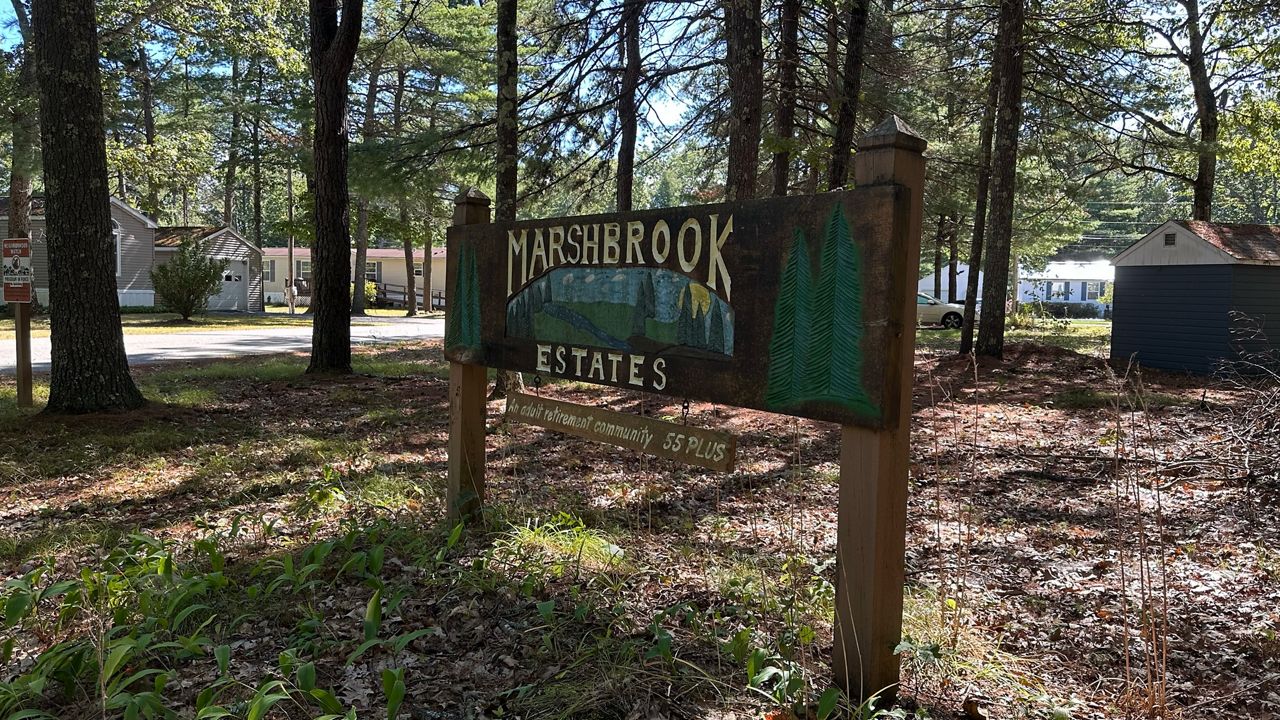
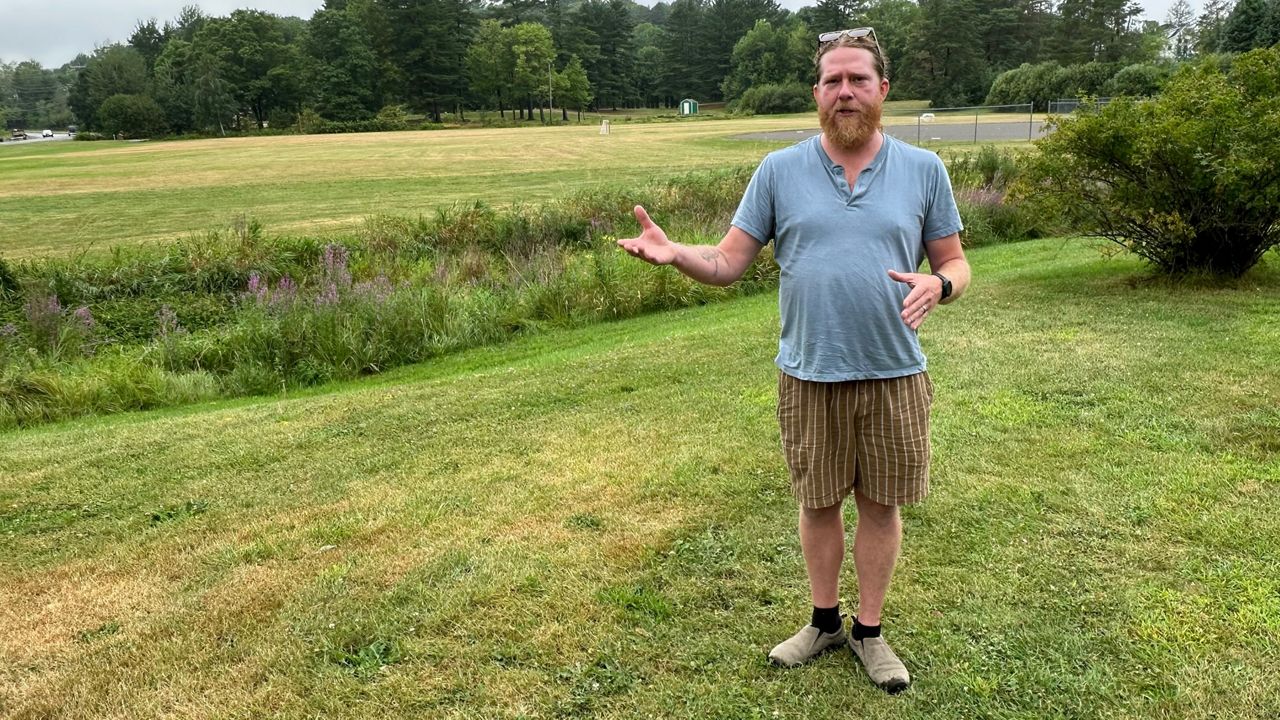
AUGUSTA –– Joe Hupperich had a busy day in Augusta Monday.
He was canvassing residents on behalf of the Maine Labor Climate Council, looking to get the rest of the 2,000 signatures he needs for a citizens’ initiative this fall. He wants to see a new ordinance on the books regulating rents for local mobile home park residents.
Augusta is just one of the latest communities to jump on the bandwagon of enacting local ordinances to help keep rents from going too high, too fast.
“It’s the kind of thing we need to organize around, whether it’s union members, whether it’s community members, or whether it’s society as a whole, we can’t let people living on the margins be exploited for profit,” Hupperich said.
The council got involved, Hupperich said, because it is used to grassroots organization, and for communities that want to organize around the issue, the council wants to help. To date, he said, the council has worked with residents in more than 25 different communities, and they’re not finished yet.
“Clearly housing issues are workers’ issues, just as much as any other issues,” he said.
More and more municipalities are getting on board. So far, communities such as Sanford, Auburn, Saco, Arundel and now Augusta have passed moratoriums to halt the increase of rents in their local home parks, often with follow-up ordinances with permanent rules.
Typically, the ordinances have forced landlords to no longer raise rents more than once a year, and often limites that increase to the latest percentage change listed in the Consumer Price Index-Northeast plus 1%. The CPI, a metric that tracks the change in the prices of goods and services nationwide, is produced and updated by the U.S. Department of Labor, Bureau of Labor Statistics.
On July 27, the Kittery Town Council voted unanimously to enact a moratorium on rent increases in its mobile home parks. The move came after a public hearing featuring residents telling an all-too-common tale: Renters are often on fixed incomes, and face the real risk of becoming homeless.
“It’s over 55, it’s somewhat of a retirement community,” Cynthia Lareau, a resident of the Yankee Commons Mobile Home Park in Kittery, told the council. “To make money off the back of the infirm, the unwell, the elderly, is a travesty.”
Right now, Hupperich said, there are about 425 mobile home parks in Maine, and while many are locally owned by landlords with good intentions, he said 20-25% are owned by out-of-state investment companies that are driving rents up. The market, he said, tends to follow as well, even for parks the corporations don’t own.
“If 25% of rental units in any housing market go up, that’s going to drive the cost of rents for the other 75% as well.”
Hupperich said he and the council will continue to help any municipality organize locally to address the issue. It will keep many residents, he said, from becoming homeless.
“It’s the only unsubsidized form of affordable housing in Maine,” he said.