




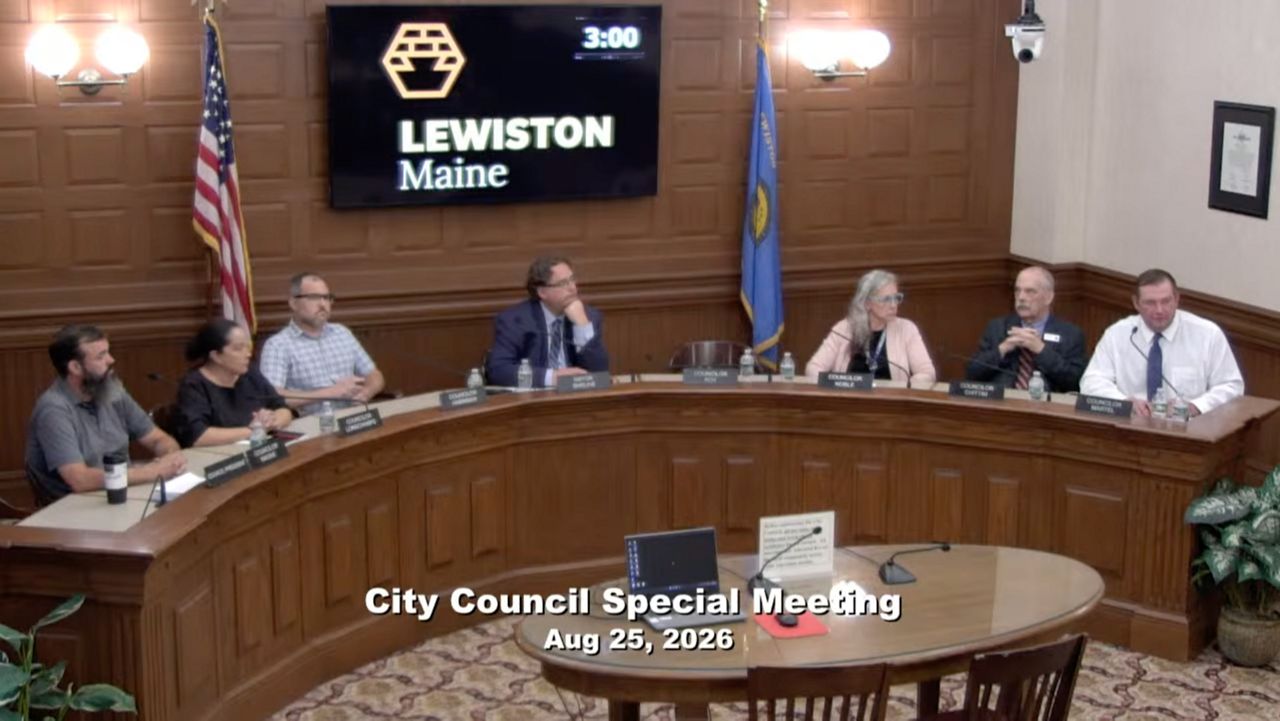
LEWISTON — The Lewiston City Council voted to extend its mobile home rent increase moratorium on Tuesday, despite initially voting against the measure earlier this month.
In March, the council first adopted a mobile home rent increase moratorium to allow the housing committee time to work on an ordinance regarding mobile home lot rent stabilization. At least 25 communities across the state have already adopted such ordinances, including Auburn and Augusta.
Lewiston’s moratorium was meant to last six months and expire in September. However, the housing committee requested more time to work on the ordinance. On Aug. 4, the council denied this request 5-2.
Mayor Carl Sheline said on Tuesday that the council called this special meeting to consider extending the moratorium again because its legal counsel recommended it.
The council voted 5-2 to extend the moratorium, with councilors Susan Longchamps and Bret Martel dissenting. The council also considered waiving the required second reading of the moratorium, but the vote failed 4-3 — it required five affirmative votes to pass.
Councilor David Chittim said he initially thought state law would protect tenants from rent increases within the time frame between the moratorium’s expiration and potential ordinance passage, but legal counsel said otherwise. State law requires landlords to give tenants a 90-day notice before a rent increase goes into effect.
“I initially voted against extending the moratorium because I believed that the 90-day required notice, under state law, would cover the gap,” Chittim said. “Our attorney has disabused me of that notion and told me that effectively, when a notice is issued, that is an increase.”
Councilor Joshua Nagine agreed that the moratorium should be extended to protect tenants during the remaining few weeks in which the housing committee finished up the ordinance. Importantly, the finishing of the rent stabilization ordinance in Lewiston does not guarantee its passage by the council.
“I know Lewiston feels very, very special to some people, but there’s nothing that’s going to keep this community, one of these mobile home parks from increasing their rent 50 percent, just like they did at Cole [Brown] in Eliot,” Nagine said.
According to the Portland Press Herald, a 55 and older mobile home community in Eliot, called Cole Brown Estates, saw their lot rent immediately jump from $645 to $800 last year in anticipation of state legislation that could affect rent increases.
This exact situation is what opponents of the moratorium extension said could happen in Lewiston. Nicole Penfield, the regional manager of BoaVida Communities, which operates three moble home parks in Lewiston, said restricting how much money park owners can make will defer maintenance or lead to the owners selling the parks.
“Running a park is more than collecting lot rent,” Penfield told councilors on Tuesday. “These communities are expensive to operate. In many ways, we operate a small town.”
Councilors Longchamps and Martel referenced these points when explaining their “no” votes. They thought money should go directly toward people struggling to meet rent instead. Longchamps added that she doesn’t think the government should be telling private businesses how much money they can make.
“I’ll be damned if someone comes in and starts telling me how I can price things,” Longchamps said.
If the council passes the moratorium extension at another meeting, it will be active for another six months unless the council repeals it.