




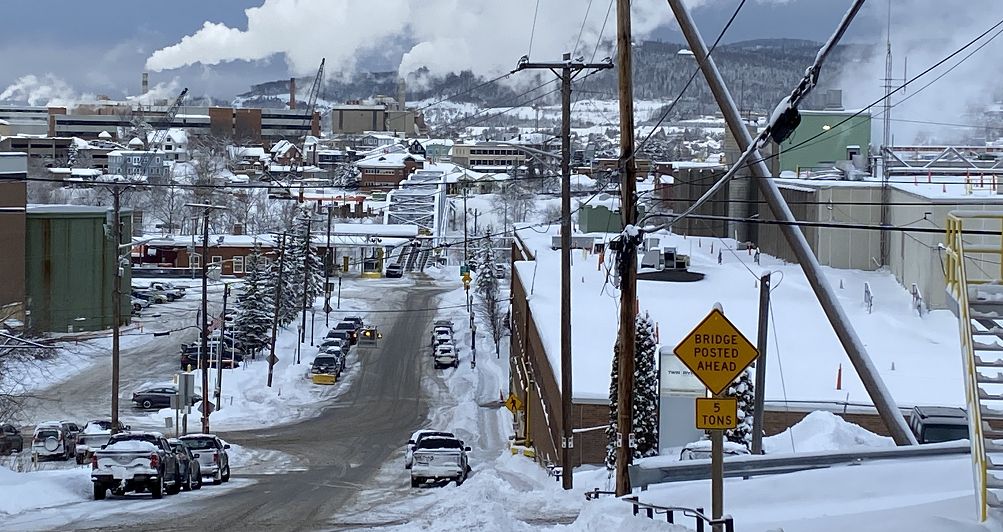
Dan Bechard has worked day and night shifts every week for 42 years in a noisy and hot paper mill in Madawaska.
He had hoped by the time he reached 63½, he would have been able to benefit from a federal health care tax credit to help him afford to buy insurance until he qualified for Medicare. But that tax credit expired in December and its future is uncertain.
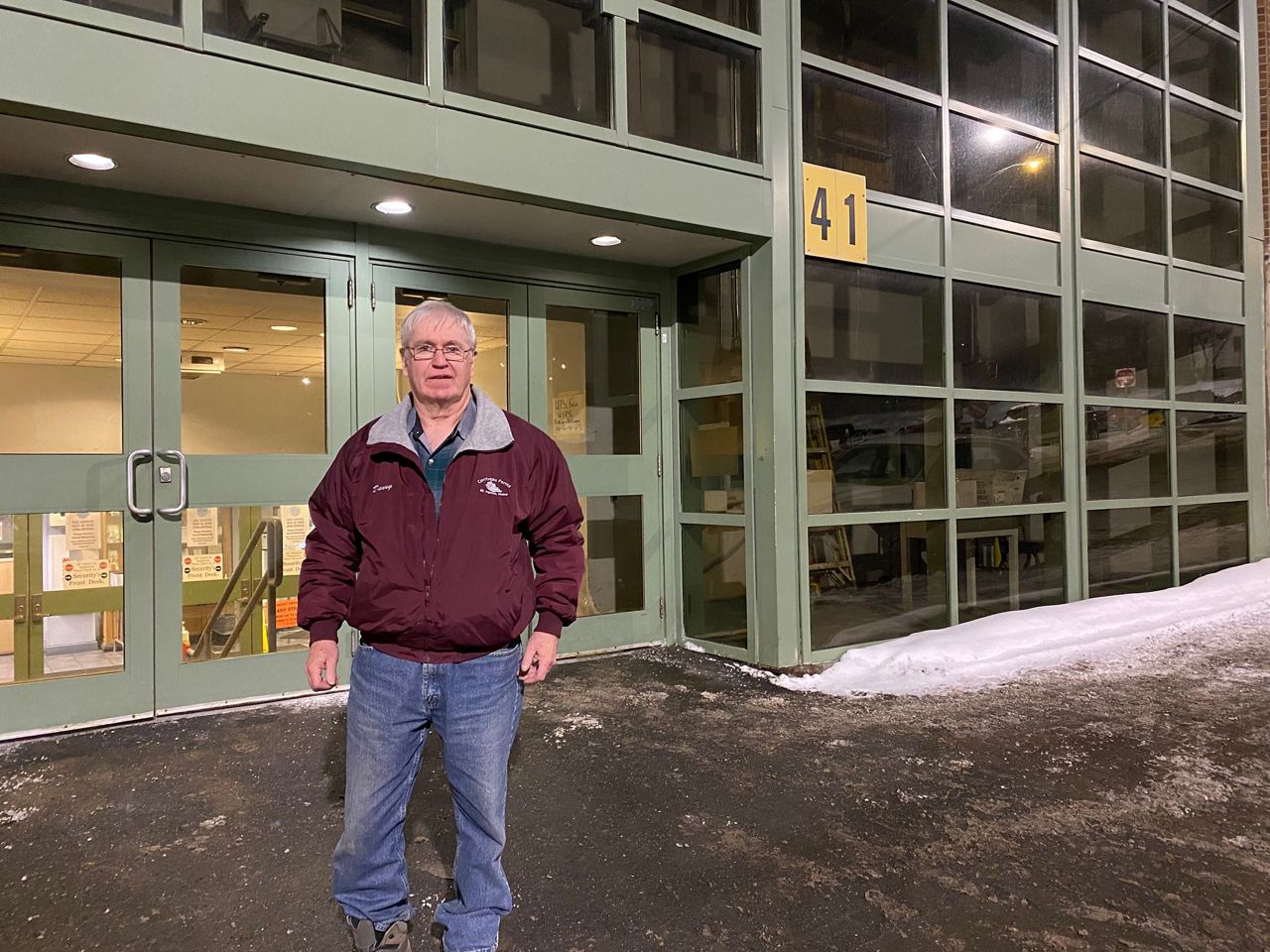
“The biggest detriment to working in a paper mill is noise,” Bechard said last week. “Very high noise levels. And shift work. Your system can never adjust because I work nights and days every week.”
Now 64, Bechard doesn’t dare roll the dice like some of his fellow Twin Rivers Paper Co. co-workers, some of whom retired in anticipation of qualifying for the credit. Without it, those who consider themselves healthy have no insurance and others are buying catastrophic plans through the federal health care marketplace, Bechard said.
To try to get the credit renewed, U.S. Rep. Jared Golden (D-2nd District) is a co-sponsor of a bipartisan bill that would extend the credit through 2025. The credit lapsed at the end of December when Congress failed to agree on tax and spending measures.
Golden first met with the mill workers in early 2019 and has since worked with U.S. Rep. Mike Turner, an Ohio Republican, on the issue, according to Golden’s office. In an interview with Spectrum News, Golden said the credit worked well in recent years by reducing health care costs for eligible workers by 70%.
“Affordability of health care is a big issue around the country,” he said. “In my district, it’s right up there alongside the rising cost of living.”
Before Fraser Paper Inc. went bankrupt in 2010, the mill – which was later purchased by Twin Rivers Paper -- paid workers a set amount for each year of service to help cover health insurance costs between the time they retired and the time they became eligible for Medicare, Bechard said. Back then, it was enough to cover the gap.
But skyrocketing health care costs and the Fraser bankruptcy left workers close to retirement without needed help.
That’s when the Health Coverage Tax Credit came in to help bridge the gap for workers to get them to Medicare. It’s a federal program designed to help industries hurt by foreign competition and in this case, cheap paper from overseas flooded the market, said Bechard, a union officer for United Steelworkers Local 1247, which represents paper mill workers.
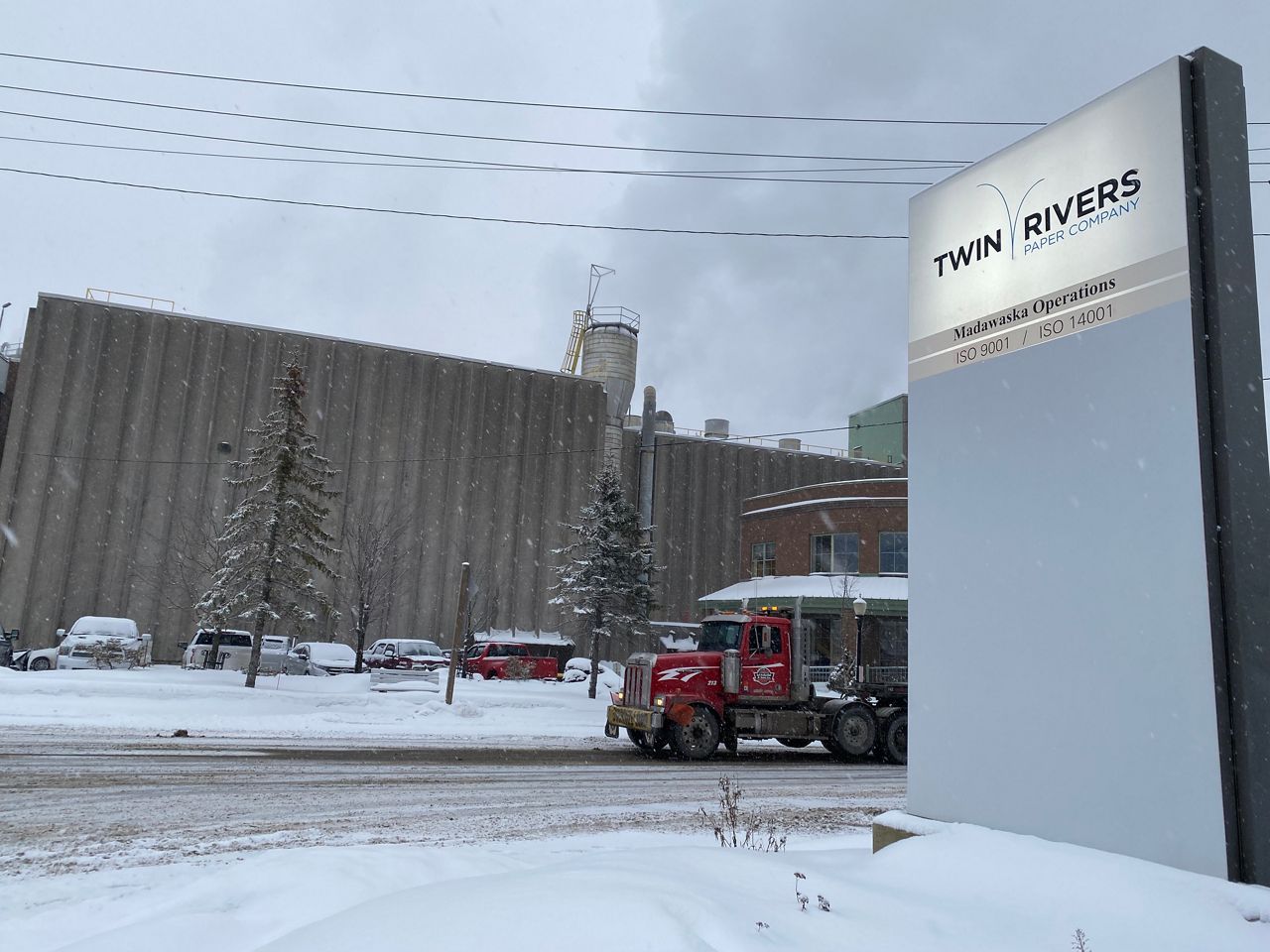
Golden said competition from China “put real tough pressures” on the paper mills in Maine. He said he knows workers are concerned and paying attention to what’s going on in Washington.
“I wouldn’t say that I would guarantee anything, but we’re certainly paying a lot of attention to it,” he said. “And I think there’s reason to be hopeful, no guarantees.”
Bechard estimates more than 200 Madawaska mill workers have used the program over the years, with 45 to 50 eligible right now.
“Back when I got hired 42 years ago, the dream was to retire at 62,” he said. “Well, with health costs going up like that, that dream went down the tubes.”
Then the goal shifted to 63½, with the help of the credit. If he had to purchase COBRA through his employer for 18 months until he became eligible for Medicare, it would cost about $2,000 a month without the credit, Bechard said. The credit covered just over 72% of the cost.
When Bechard started at the mill in 1980, it employed 1,200 union workers and ran eight paper machines. Today, it employs 450, who run four machines. The mill needs more workers, he said, and is having a hard time filling jobs.
In his own department, called the “bond kitchen,” where they work with coatings and starches, they are all working extra shifts to pick up the slack. The mill makes coated food-grade paper, such as hamburger wrappers, and prescription drug inserts.
“I’ve been working two shifts of overtime a week since December 10,” he said. “Instead of working five 12-hour shifts in two weeks, I’m working eight 12-hour shifts in two weeks.”
And, every month he works two weekends. As he looks forward to retirement, Bechard said like many Americans, the need for health insurance has kept him and others tethered to jobs longer than anticipated. He hopes if Congress can reinstate the credit, other workers will be able to retire sooner.
“The credit has certainly made a huge difference for a lot of guys to retire,” he said. “Health insurance is what keeps everybody back.”
Spectrum News Maine Washington, D.C., reporter Angi Gonzalez contributed to this report.