




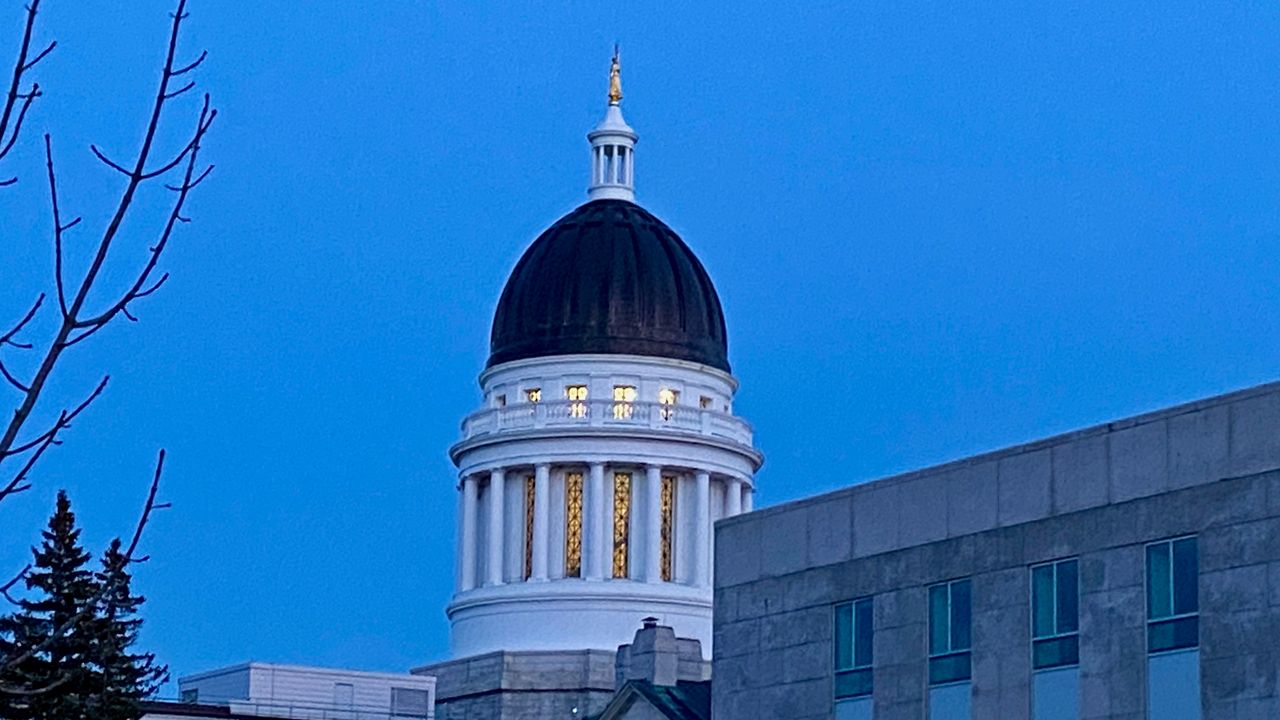
Maine lawmakers will return to Augusta on Monday to finish up work to decide which bills of more than 200 deserve funding.
And they only have $12 million left to do it.
Officially, work for the session was scheduled to end Wednesday, but Democrats asked for an extension because they said nonpartisan staff could not keep up with the volume of work. At first, Republicans balked at the idea, saying there had already been plenty of time to finish.
But by the end of Wednesday, the parties reached compromise on a one-day extension.
While there are some bills left to finish up, the major focus of the work is on legislation that has been approved by the House and Senate but requires funding. Although the state is awash in revenues — passing a $1.2 billion supplemental budget — lawmakers on the budget committee left themselves only $12 million for other bills.
During Senate debate Wednesday, Sen. Craig Hickman (D-Winthrop) listed many of them, including bills to provide money for food banks, a sports betting bill negotiated with the state’s Native American tribes and funds for economic development.
He pleaded with fellow lawmakers to approve an extension so the work could be completed.
“Some of these bills have been in the hopper for six, seven, eight, nine years,” he said. “We may finally have the funding for them and yet we are going to let them rot on the vine.”
Others have lobbied hard for money for the state’s beleaguered Maine Commission on Indigent Legal Services, which provides constitutionally mandated legal representation for the poor. The Judiciary Committee, through a series of bipartisan votes, had asked budget-writers to fund more than $8 million to hire more attorneys, give them a raise, and help them with training and legal resources.
The committee’s letter referenced that money for the commission had been “inconceivably left out of Supplemental Budget proposals.”
For years, the system has been under fire for being unable to adequately provide legal counsel to poor defendants. Maine is the only state in the country that hires private attorneys to represent the accused, rather than supporting public defender offices.
In other action on Wednesday, lawmakers responded to a request from Gov. Janet Mills to recall from her desk a bill designed to expand the state’s Good Samaritan Law. Mills indicated that she wanted to sign a more narrowly tailored version that seeks to make it more likely that someone will call for help when they witness an overdose.
The Senate voted 31-2 to bring the bill back for consideration and the House agreed without taking a roll call.
A utility accountability bill that appeared to be in jeopardy on Tuesday also seemed closer to passage by Wednesday evening, with the Senate and House agreeing on an amended version.