




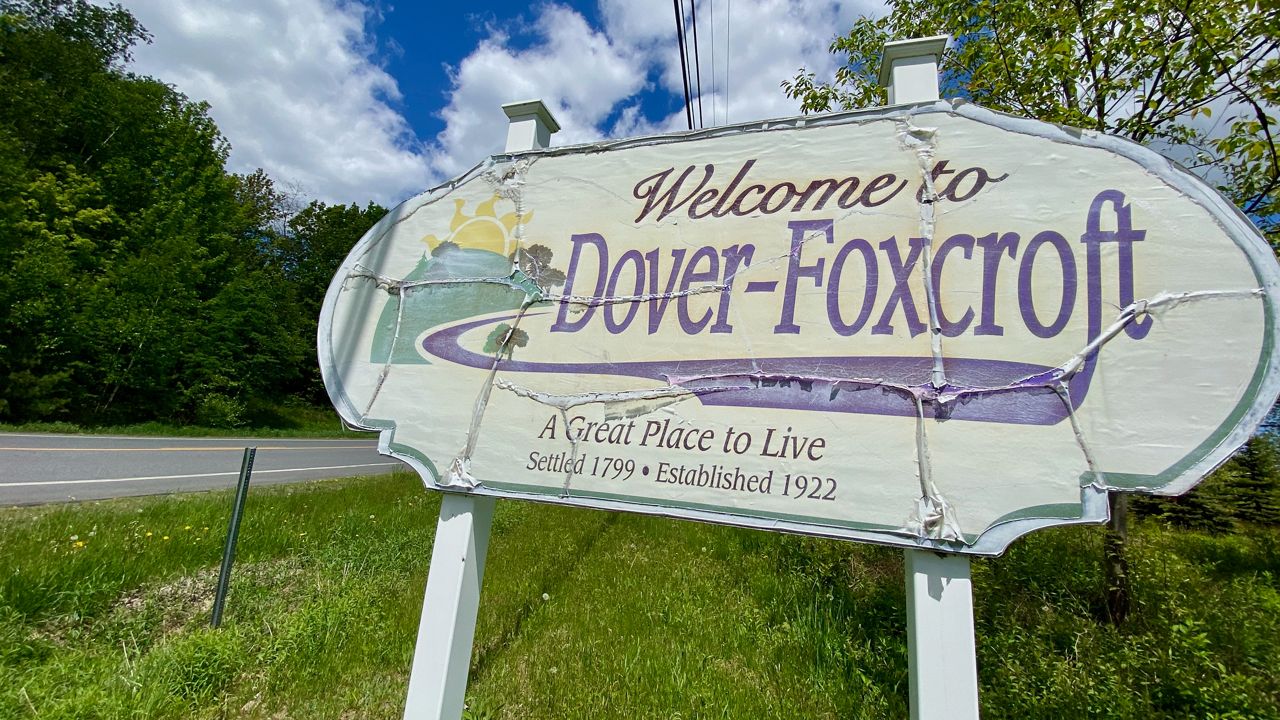
When the pandemic hit, food banks across Maine started to see increasing demand and the Dover-Foxcroft Area Food Cupboard was no exception.
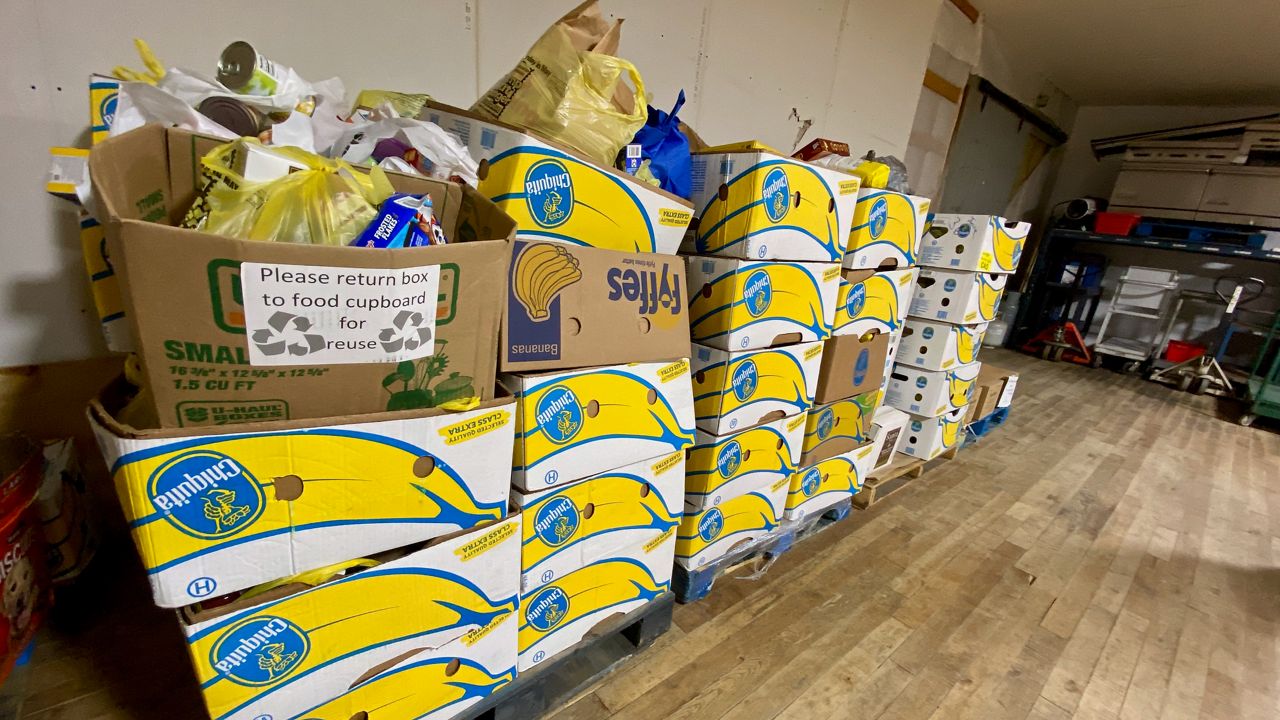
They went from serving about 65 families twice a month to 155. When COVID-19 receded, the expectation was that so too would demand for food.
Then inflation started to rise. The cost of gas, food and heating oil spiked. Hopes of a full recovery from the pandemic have now morphed into worries about bills, medicine and the ability to put food on the table.
“Gas, electricity, oil and food are all going up and so it’s making it so that people have to decide whether they are going to pay a bill or if they are going to go and feed their family,” said Debbie Loguercio, lead volunteer for the food cupboard. “It’s not easy for a lot of them. As Mainers, some have a lot of pride.”
In just the last week, the cupboard saw six new large families with six or eight people each come in for food. And while they are based in Dover-Foxcroft, the pantry serves people from across Piscataquis County, one of the poorest and most rural counties in Maine.
Census data shows 14.6% of people live in poverty here, compared to 10.6% statewide. Per capita income is $25,511 versus $33,774 statewide and the median household income is $42,083 compared to the $59,489 statewide median.
And as Loguercio pointed out, it’s not just food insecurity. As he stood in line at McDonald’s, Paul Matulis of Dover-Foxcroft said he and his wife Nancy are mostly worried about the cost of gasoline.
“The gas part kind of makes me wonder if we’ll be able to do any trips this summer,” he said, while also noting that they plan to plant a “heck of a big garden” and will take advantage of eggs they can get from their adult children who raise chickens.
Down the street at a local Irving station, Everett Cook, 88, of Milo, said it costs him about $15 more to fill his small Hyundai Venue. On that day, gas cost $4.59 per gallon.
“It impacts everybody,” he said. “I’m very fortunate. Everything I own is paid for and I don’t have very many bills.”
It’s unlikely Americans will get any relief from inflation anytime soon, according to a report released Wednesday by the Congressional Budget Office. Inflation is expected to remain high through the rest of this year and not return to normal levels until 2024, the Washington Post reported.
Another recent problem for parents has been the shortage of baby formula, a headache Brittany Whittemore said she feels lucky to be able to avoid. As she sat outside a bakery in Dover-Foxcroft with her 18-month-old daughter, she said she’s relieved her child is “a bit older so formula is not an issue.”
She said finding an affordable place to live has been her biggest challenge, saying she’ll soon be moving to Corinna because the rents are cheaper there.
Dover-Foxcroft Town Manager Jack Clukey said requests for general assistance — a state funded program administered by local cities and towns that provides money for food, housing, fuel and other necessities — have remained consistent in recent months. But he will be watching to see what happens come fall.
“I do expect that we will see an increase in general assistance being requested over the coming year, particularly for assistance with heating oil as we get into the next heating system,” he said via email.
And while Mainers across the state will get a summer reprieve from filling their oil tanks, this time of year is a challenge for food suppliers like the Piscataquis Regional Food Center, which distributes food to 15 agencies that serve about 20,000 people each year, said Kelly Sirimoglu, executive director of regional center.
“This time of year is actually the scariest time for food pantries because kids come out of school,” Sirimoglu said. “So all of a sudden these families that their children got two or three meals at school every day, now those families have to come up with those meals.”
Also, people don’t tend to donate to food pantries this time of year and a weekend food backpack program with kid-friendly snacks is on hiatus for the summer. At the Dover-Foxcroft food cupboard, monetary donations are down 60% from last year.
“This is all hitting at a time when food inflation is higher than ever before,” Sirimoglu said. “It is a tidal wave of need that’s coming at us. It’s kind of scary.”
Another challenge for Piscataquis County is a lack of government offices where people can sign up for Social Security, food benefits or other programs for which they may be eligible. And while it’s possible to sign up for those programs online, only about 50% of households in the county have access to broadband, Sirimoglu said.
That puts many people, particularly older Mainers, in a tough spot because they are forced to drive to sign up for programs at a time when gas prices are making it difficult to fill the tank.
For those looking to help, Sirimoglu said offering to give a neighbor a ride could be the key to getting them the food and services they need. Because the regional food bank, which is supplied by Good Shepherd, gets a discount on pricing, it’s best to donate money, not food, to local food banks.
About 13 miles up the road in Milo, Dyer’s Hope House Food Pantry opened last fall with the mission of serving hungry people, said John Cram, executive director. But like the people they serve, higher inflation means the non-profit’s buying power has diminished too.
“Dollar Tree is no longer Dollar Tree,” Cram said. “Everything is up 25%.”
Hope House serves about 125 families per month, including one family of nine, he said. Cram expects to see more multi-generational families in the future. And they don’t just need food. The pantry is getting calls from people who are out of gas, so they are requesting food delivery, he said.
In general, Hope House provides food once a month, but if they know there’s a need, they do the best they can to make sure no one goes hungry. But inflation is making everything harder.
“We had high hopes and then all of a sudden we got hit in the shins,” Cram said.