




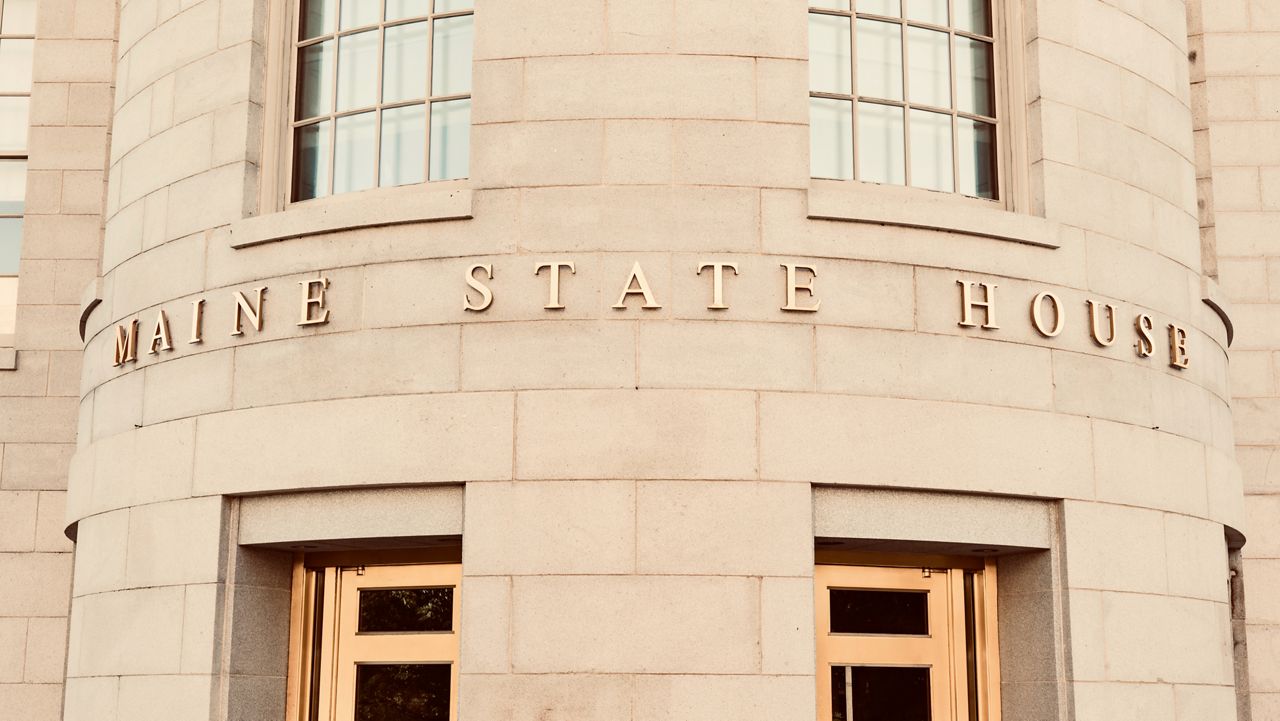
Maine cities and towns are back to receiving 5% of state revenues for the first time since 2009, Gov. Janet Mills announced Monday.
“This is not only basic good governance, but it is an important source of funding for cities and towns that helps deliver all manner of municipal services, like EMS or education, and holds down property tax increases that can hurt older people on fixed incomes,” Mills, a Democrat, said in a statement.
Cities and towns will receive more than $233 million for fiscal year 2023. The money is a percentage of sales, service provider, personal and corporate income tax receipts.
Former Gov. Paul LePage, a Republican running against Mills in November, cut revenue sharing to 2% during his tenure in office. After Mills was elected, she and the Legislature increased the percentage to 3% in 2020, 3.75% in 2021, 4.5% in 2022 and now 5% in fiscal year 2023, which began July 1.
LePage spokesman Brent Littlefield said in an email that Mills is relying on federal funds to pay for state government.
“Janet Mills continues to use one-time, debt driven money out of Washington DC to claim she has achieved success,” he said. “Maine people are not that gullible.”
In a press release from Mills’ office, Maine Municipal Association Executive Director Catherine Conlow said municipal leaders are relieved that they are now back to receiving full funding.
“These revenues reduce the burdens placed on property taxpayers, and recognize that municipal economic development efforts support the State’s economic vitality,” Conlow said. “After enduring over 15 years of reductions, municipal leaders are relieved that the Mills Administration and Legislature recognize the importance of this program and the contributions of municipal leaders.”