




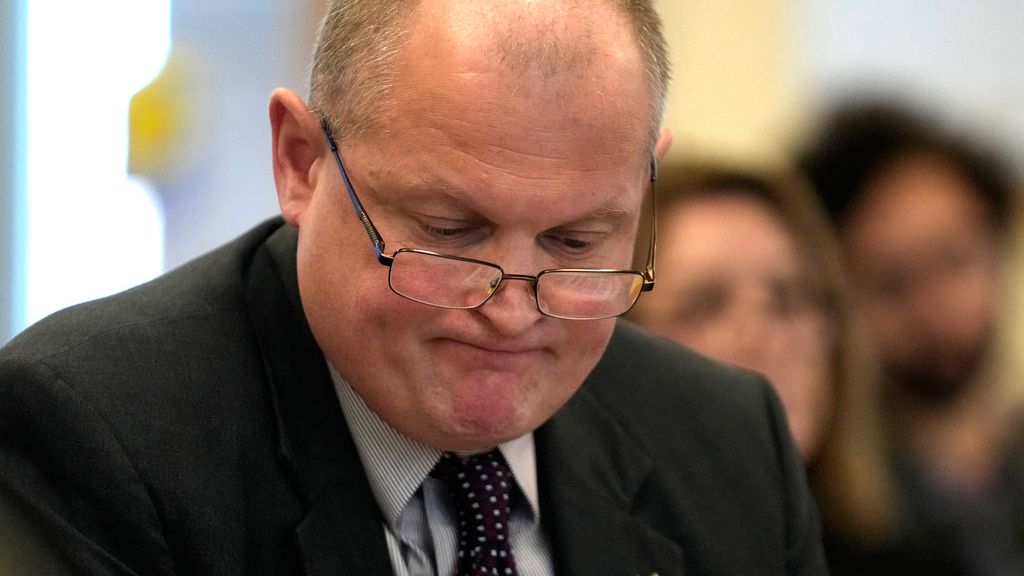
The sheriff’s deputies who investigated the man who killed 18 people in Lewiston in October told a panel Thursday that they did the best they could with the information they had months before the killings.
Sagadahoc County Deputy Chad Carleton and Sgt. Aaron Skolfield described their attempts to contact Robert Card, 40, of Bowdoin, in the months before he killed 18 people and wounded 13 at a bowling alley and a bar.
In May and in September, the sheriff’s department received reports that Card was having psychotic episodes and possessed firearms.
Those alarm bells included a text message sent by a friend of Card’s that said he believed “he’s going to snap and do a mass shooting.”
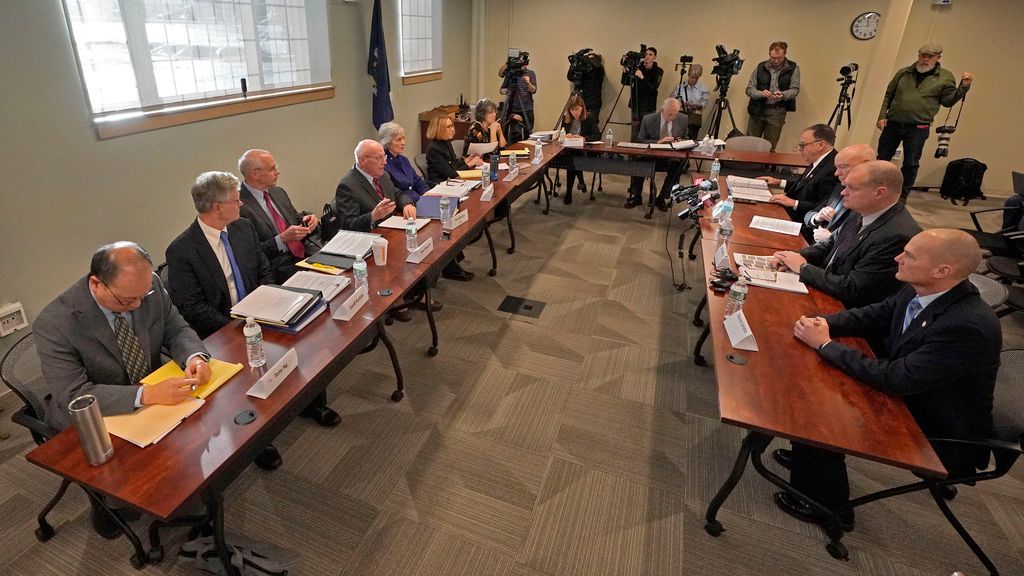
The deputies described ways they were hamstrung in their attempts to help Card, including his family’s concern that seeing a uniformed officer would upset him, his refusal to answer his door or his cellphone and the fact that they could not forcibly make contact with him because he had not been accused of committing a crime.
They also said they could not use the state’s “yellow flag” law because it requires them to take someone into custody before they can receive a mental health evaluation. Only after that evaluation and an order from a judge can law enforcement take someone’s firearms.
The testimony came before the Independent Commission to Investigate the Facts of the Tragedy in Lewiston, a group charged by Gov. Janet Mills with finding out what led to the state’s deadliest mass shooting.
On Oct. 25, after months of exhibiting paranoid behavior and threatening to shoot his Army reserve unit in Saco, Card killed 18 people before disappearing for two days.
Lewiston and surrounding towns went into lockdown as local, state and federal police searched for Card, ultimately finding him dead of a self-inflicted wound in a recycling trailer in nearby Lisbon.
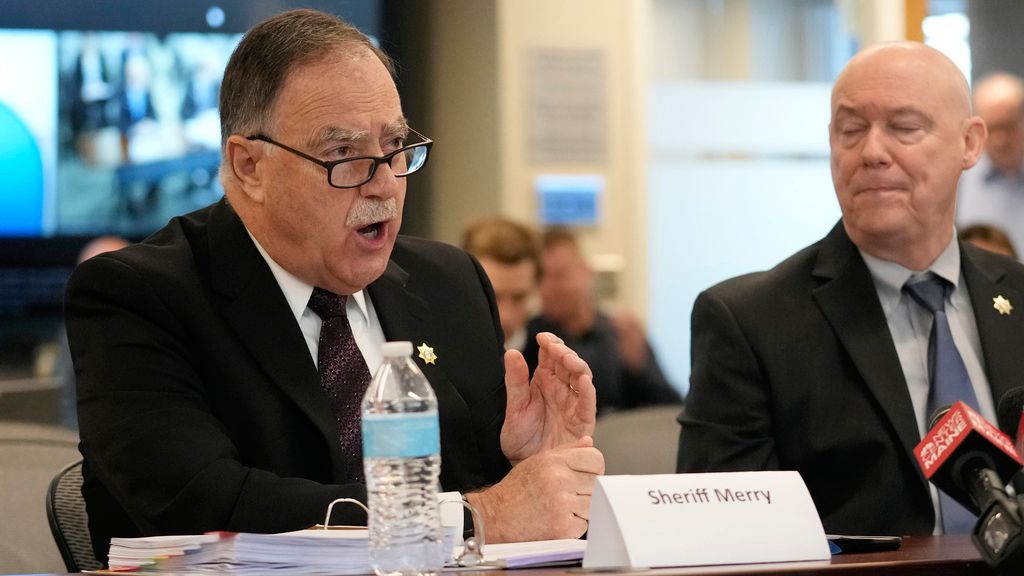
On Thursday, even before the panel began questioning Carleton and Skolfield, Sheriff Joel Merry read a statement that recapped the findings of a report he commissioned into his office’s involvement with Card. That investigator — Portland attorney Michael Cunniff — found that the department acted “reasonably under the totality of the circumstances.”
Merry said he and his officers want to help with the investigation into the shootings in the hope of preventing future tragedies.
“The mass shootings on Oct. 25 in Lewiston have changed the community in our state forever,” he said. “Nothing that we do or so will ease the pain or loss that so many people have endured.”
Regarding Card, Merry said, although his officers responded to reports about Card’s mental health and firearm possession in May and September, they never had direct contact with him.

He said his deputies are trained to conduct wellness checks with the goal of de-escalating a situation and that his staff worked with the Card’s family and Army reserve unit to try to get him the help he needed.
“Our deputies believed that the matter with Mr. Card had been resolved and when they ended their involvement, he posed no risk to himself or to others,” he said.
Under questioning Thursday, Carleton said he first heard about Card’s mental health issues from Card’s ex-wife and teenage son, who told him in May that Card began showing signs of paranoia starting in January.
Carleton said the family also told him that Card had recently retrieved 10-15 firearms from a family property and locked them in his bedroom. They told Carleton that Card had not made any threats, but that his behavior had changed.
They also asked him not to go to Card’s house in uniform, fearing that it would anger him.
Carleton said they then set a plan that included reaching out to Card’s Army Reserve unit.
He also spoke to Card’s brother, who said Robert Card had told him he was considering getting an attorney to take action against people he believed were calling him a pedophile.
Carleton said Card’s unit commander in the Army told him that they would see if they could do anything to get Card help.
“I thought the best course of action was going to be to work with the family and with the Army to get him to the help he needed to set him on a better course in life,” he said.
Card’s brother also relayed that Card had agreed to go to the doctor following a visit that began with Card answering the door to his mobile home while holding a gun.
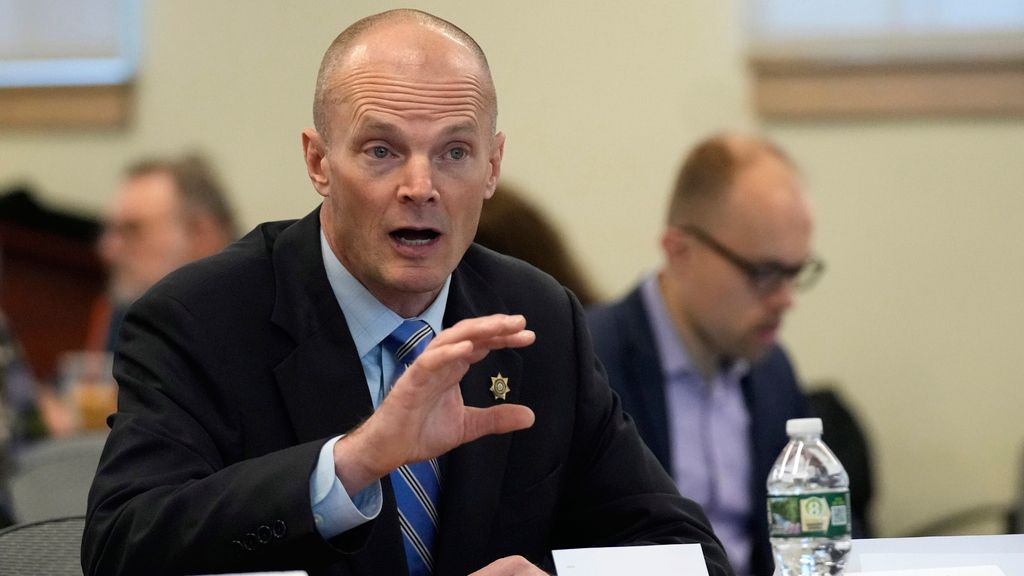
Carleton said he filed a police report with details about his interactions with the Army and Card’s family.
The sheriff’s office did not get any other reports about Card until September, when a fellow Army reservist asked them to check on Card because he was threatening to shoot up the reserve center in Saco.
Prior to that, over the summer, Card spent two weeks in a psychiatric facility in New York when Army officials became concerned about his conduct during a training weekend.
Skolfield said he went to Card’s home Sept. 15 to check on him, but that there was no vehicle in the driveway and he did not think he was there. He went back the next day along with a Kennebec County sheriff’s deputy and knocked on the door, but Card did not answer.
Skolfield said he believed Card was home.
“I can’t make him open the door,” he said. “I can’t kick in the door. Had I kicked in the door it would have been a violation of law. It was impossible to get a search warrant because no law had been broken.”
The following day, he spoke to Card’s brother, who told him that he and his father would work to remove Card’s firearms from his home. And Army personnel told him it would be best to let Card cool off and not confront him, Skolfield said.
“I didn’t want to agitate him,” he said. “I didn’t want to throw that stick of dynamite into a pool of gas and create a situation. Ideally, we all know how we wish this would have turned out. I’m heartbroken about what happened.”
Leroy Walker, whose son Joe Walker was killed at Schemengees Bar, said victims' families have been following the proceedings and hope it yields changes that can prevent future tragedies.
“Everything that they do I think will help us in some way, and we’ll find out information,” Walker said. “A lot of us are sitting back waiting to see what the commission will do for findings and moving forwards.”
The mass shooting has motivated new discussions about gun rights and gun control in a state with one of the highest rates of firearm ownership in the Northeast.
Mills and Frey said Wednesday that they have introduced legislation to grant subpoena authority to the commission as it investigates, a power that commissioners have said they will need.
The legislation “will ensure that the commission has the tools it needs to fully and effectively discharge its critical mission of determining the facts of the tragedy in Lewiston,” they said in a statement.
With reporting by the Associated Press.