




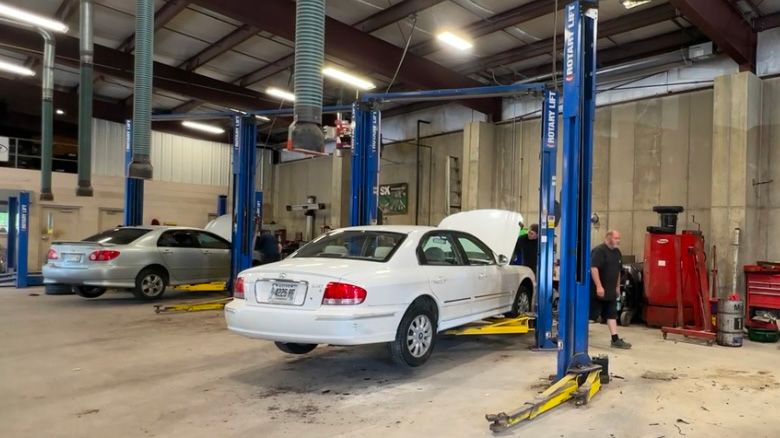
PORTLAND, Maine — Starting Monday, anyone who buys a new vehicle in Maine is entitled to get access to diagnostic information that can help with repairs, supporters of the state’s new Right to Repair law said.
“This is a big win for consumer choice,” Tommy Hickey, director of the Maine Automotive Right to Repair Committee, said. “This is a big win for local business, and this is a great way to keep independent repair shops and car owners alike as the gatekeepers of their own repair information.”
The law is just now coming into effect following voter approval in November 2023, when 84% of Mainers supported the ballot initiative.
The law requires vehicle manufacturers to standardize diagnostic systems. Hickey said Monday that dealers are now required to make repair data available through a mobile app.
The idea is to ensure that vehicles can be fixed outside of dealerships if a consumer wants to make that choice.
Even before the vote to approve the ballot measure, the Alliance for Automotive Innovation opposed the idea.
The group represents most vehicle manufacturers and says small repair shops already have the information they need to make repairs. They think the groups want access to customer data because they want to market directly to consumers — even going as far as advertising on the screen inside your car.
Hickey said the new law is designed to help small local repair shops get access to information that dealers get automatically. Maine is the second state in the country to pass such a law, following a 2020 vote in Massachusetts.
The law applies only to vehicles purchased in Maine and only to vehicles purchased after Jan. 6, 2025. Hickey said anyone who is denied access to the information should call the Maine Office of the Attorney General and that the law calls for a $10,000 fine for companies that don’t provide the information.
“For too long, car manufacturers have used new technologies to make it difficult for independent repair shops and car owners alike,” he said. “This ballot initiative will allow local businesses and allow a repair market to stay competitive as new technologies increase in vehicles.”