




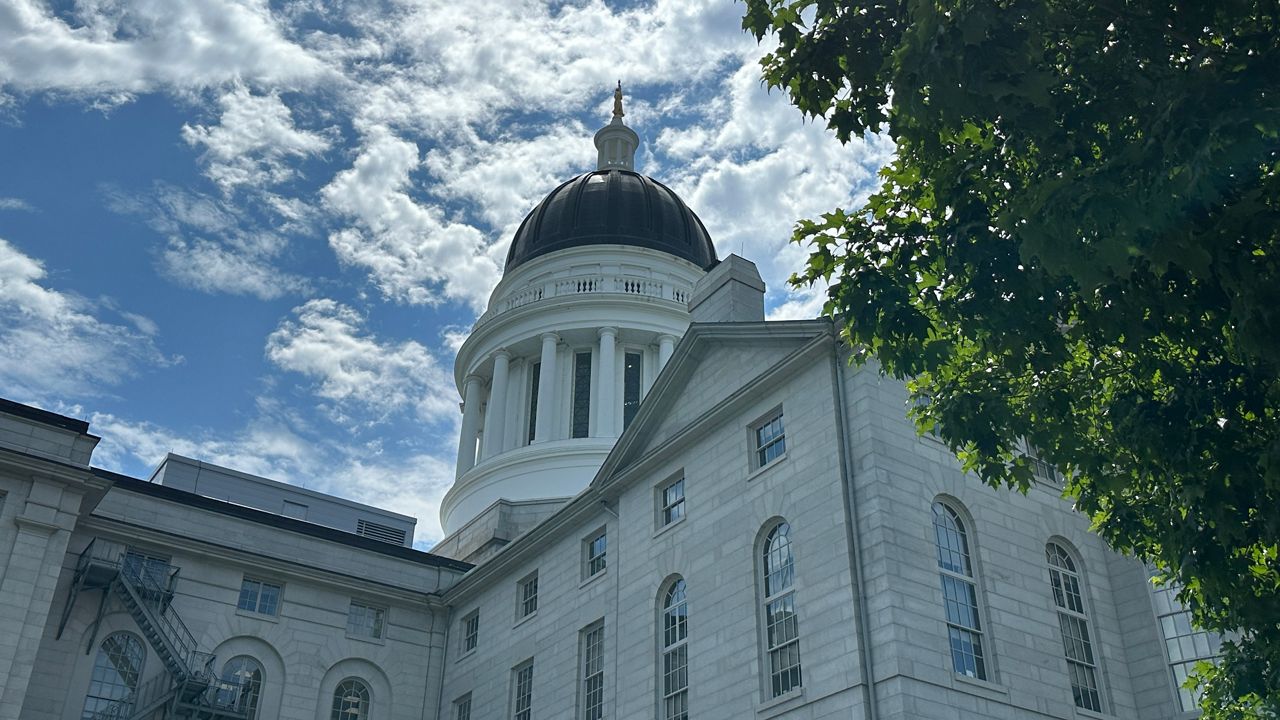
AUGUSTA — The state finished its fiscal year with a $152 million surplus and $1.03 billion in its rainy-day fund, Gov. Janet Mills said Friday.
In addition, Fitch upgraded Maine’s credit rating to AA+, its second highest designation. Higher credit ratings mean the state will likely get more favorable interest rates when it borrows money.
“This significant ratings upgrade from Fitch, a well-respected global credit ratings agency, combined with our healthy reserves, shows the strength of the state’s financial picture,” Mills said in a statement.
Mills, a Democrat serving her second term, has kept a tight hold on the rainy-day fund, discouraging lawmakers from taking money out unless there’s a major national economic downturn.
The fund is now at the maximum level allowed by law, which permits up to 18% of general fund revenues from the prior year to be deposited.
The financial news comes a month after the conclusion of the state fiscal year, which runs July 1 to June 30.
Before the Legislature adjourned for the year in June, Democrats passed budgets that total about $11.6 billion over two years, a record high. Those budgets maintained a free school meal program, increased revenue sharing for cities and towns, added funding for housing and continued to fund 55% of local education costs.
Democrats increased some taxes, including a $1.50 per pack increase on cigarettes, a new tax on streaming services and an increase in the real estate transfer tax on home sales over $1 million.
Republicans opposed the budget, saying the tax increases are unnecessary and characterizing the budget as “bloated.”
Regarding the $152 million surplus, nearly $80 million went into the rainy-day fund and almost $34 million went to the highway fund, according to the governor’s office.
“The nearly $34 million will be used to ensure this year’s construction as defined in our three-year work plan is adequately funded,” said Transportation Commissioner Bruce Van Note. “The plan includes projects that will improve roads and bridges, enhance safety, and increase economic opportunity through upgraded transportation infrastructure across the state.”