




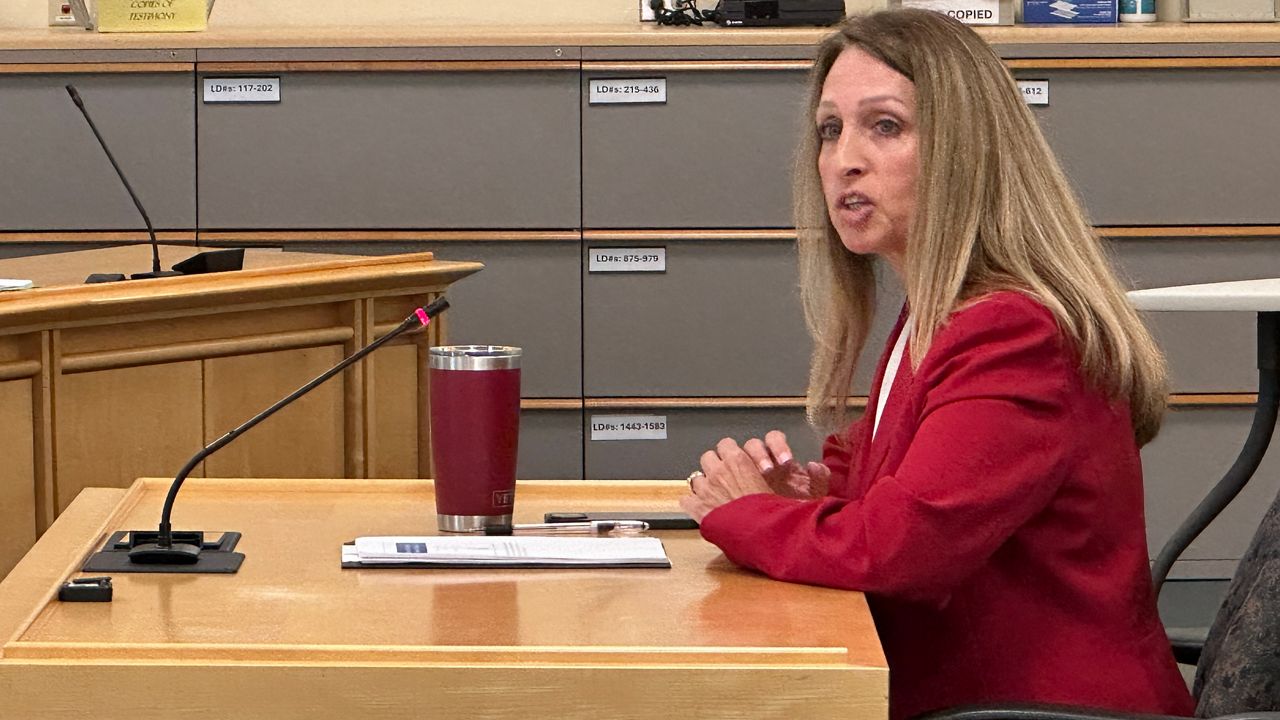
AUGUSTA — The state is working to develop a system of short-term foster homes as temporary placements for children in crisis, the director of the Office of Child and Family Services told lawmakers this week.
Bobbi Johnson said the state has eight Intensive Short-Term Homes that are designed to be a new way to keep children out of hotels and emergency rooms.
“Our ultimate goal is that children in child welfare custody have placements,” Johnson told the Legislature’s Health and Human Services Committee. “It’s not the responsibility of our staff to be supervising them in hotels or emergency departments.”
Johnson updated lawmakers Tuesday on a new strategic plan to improve outcomes for children in the child welfare system.
The number of children in state custody is down from nearly 2,600 in July 2024 to just under 2,200 this July, state data shows.
One of the strategies to improve the system is to significantly reduce reliance on hotels and emergency departments as temporary placements for children in crisis, Johnson said.
When children are placed in hotels, they are supervised by child welfare workers and other adults called “sitters” who help care for the children.
Johnson noted a recent example of a 7-year-old with autism spectrum disorder who was struggling in a hotel but significantly improved when placed in a short-term foster home.
“This was a child that was not sleeping through the night,” she said. “He started sleeping through the night. He had very limited language and he started being able to speak.”
Johnson said her office has also made progress filling job vacancies, noting that of 435 positions, there are currently 36 openings. She said many offices are now fully staffed and others are successfully filling jobs.
In another presentation on Tuesday, Child Welfare Ombudsman Christine Alberi emphasized the complexity of child welfare cases and urged lawmakers not to pull back on funding for programs that are working.
“I know we are in uncertain times of funding, but I cannot emphasize enough how important prevention services and financial support are to families both to prevent child protective involvement, including removal of children from the home, as well as to help families reunify,” she said.