




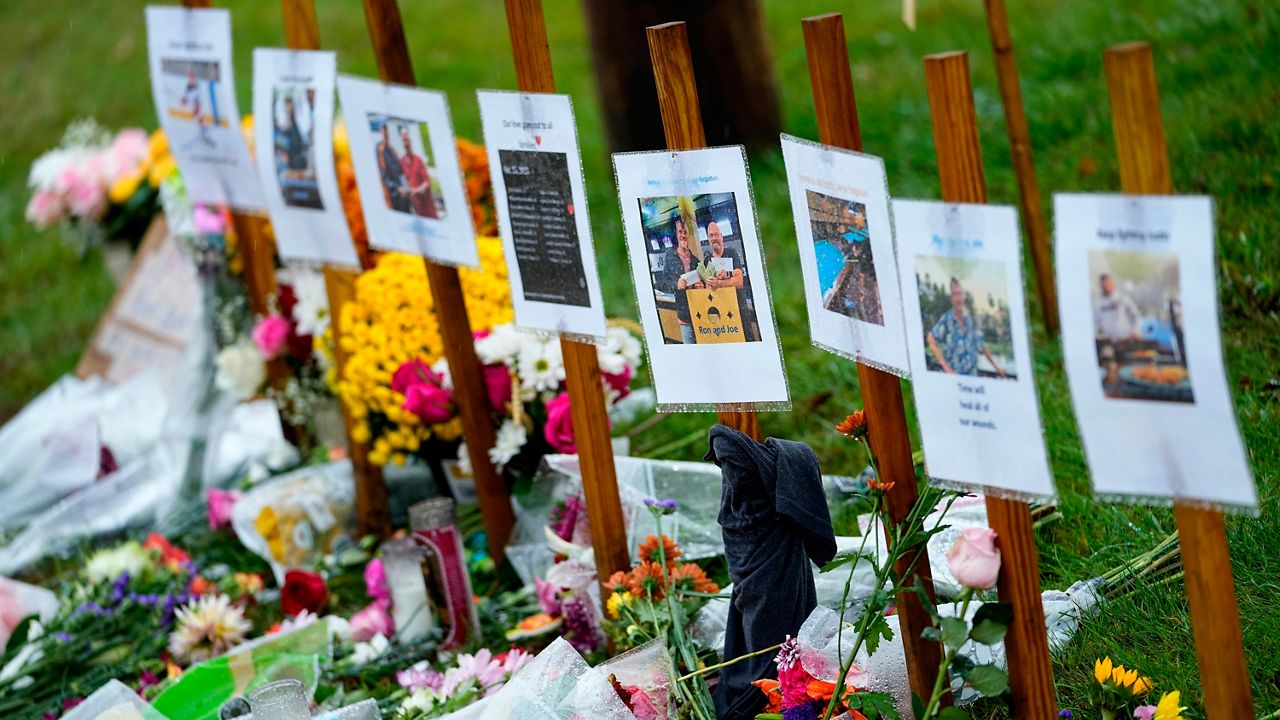
A survivor of the 2023 mass shooting in Lewiston has sued the U.S. government, alleging the U.S. Army should have done more to prevent it.
On Oct. 25, 2023, Army reservist Robert Card killed 18 people at a bowling alley and a cornhole tournament hosted by a bar and grill. Card died by suicide, and his body was found two days later.
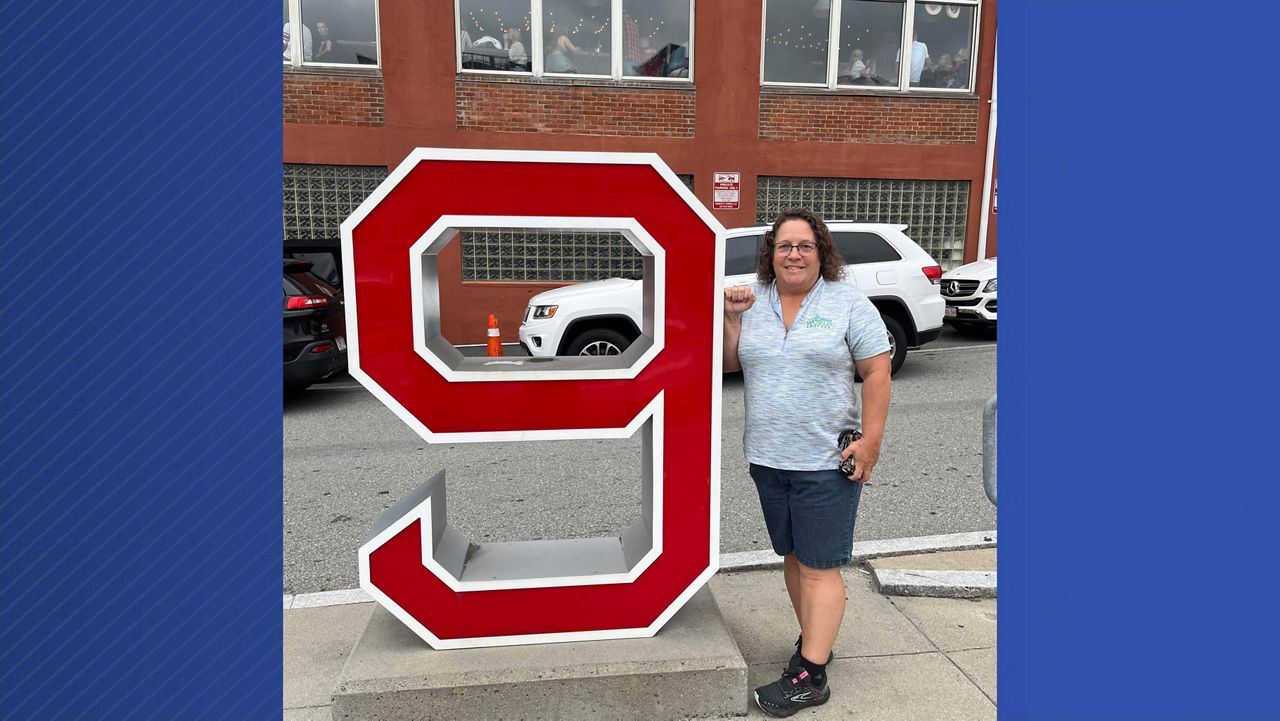
In her lawsuit, Bobbi Nichols alleges that the U.S. Army did not take the proper steps to prevent the tragedy.
Nichols and her sister, Tricia Asselin, were at the Just-In-Time Recreation bowling alley when Card began firing. Asselin was killed, and Nichols survived. Asselin worked at the bowling alley, and Nichols was a patron.
Card was committed to a mental health facility prior to the shootings for threatening to “shoot up” a military base. His family and fellow Army reservists reported that he was suffering from a mental breakdown.
Nichols is seeking $10 million in restitution, according to court documents. However, her attorney, Jeffrey Bennett, said the hope is that the lawsuit results in policy changes.
Bennett said the Army should have alerted the public or local law enforcement to Card’s erratic behavior. He alleged a confiscation of Card’s personal weapons, based on his commitment to a mental health facility and his violent threats, could have prevented the tragedy as well.
“They [the Army] knew that Card was in actual crisis,” Bennett said. “He told them that he was violent. His fellow soldiers there were in his division reported that he was hearing voices that did not exist.”
The Maine Legislature responded to the shootings by passing a “red flag” law last year, which allows family members and/or law enforcement to directly petition a court to temporarily confiscate someone’s firearms if they seem to be a danger to themselves or others. The state also criminalized the transfer of guns to prohibited people and expanded funding for mental health crisis care.
There is a class action lawsuit that other Lewiston shooting survivors and families of victims filed against the U.S. Government. Nichols did not join that lawsuit, and filed her own because she didn’t want her and Asselin’s story to be “diluted,” Bennett said.
“Bobbi wanted her story to be heard by a judge or jury and to be decided on its own merits,” Bennett said.
Spokespeople for the Army, the U.S. Attorney General’s Office and the U.S. Attorney for Maine declined to comment.