




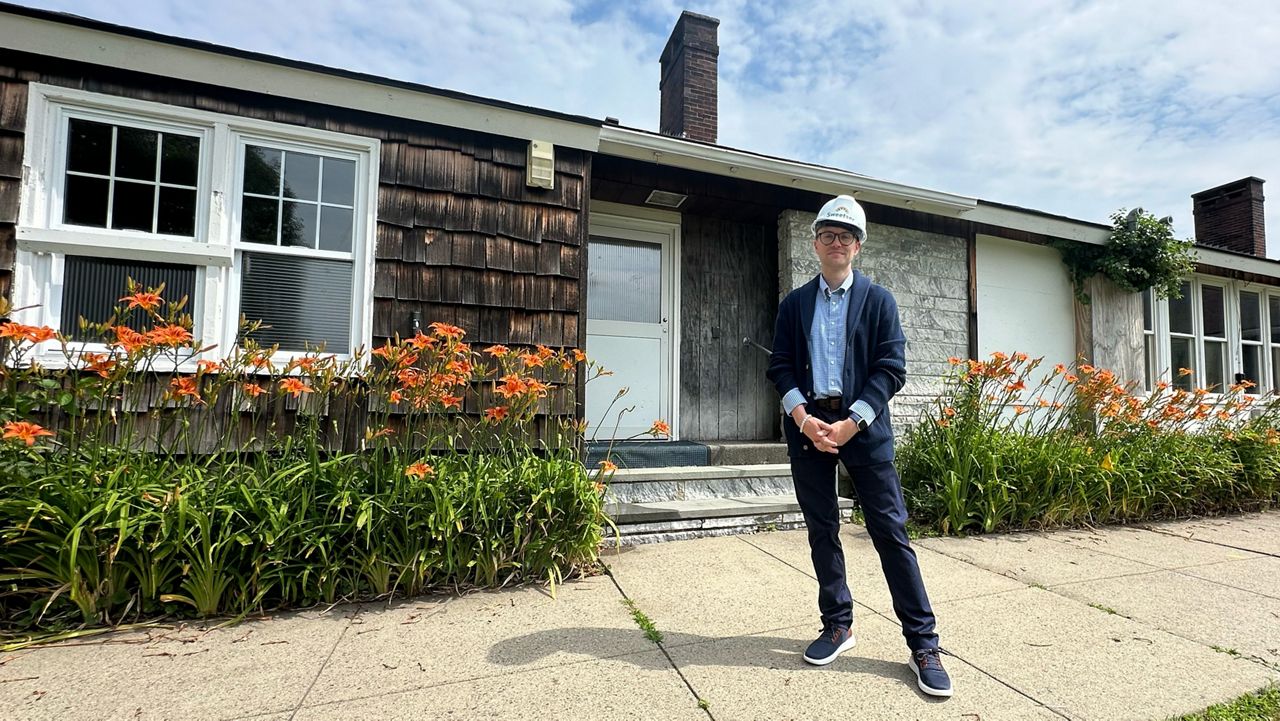
SACO –– Mental health nonprofit Sweetser is building a new facility on its Saco campus for youth residential psychiatric treatment.
The $7.9 million secure facility will be a first for Maine, according to Sweetser Spokesperson Justin Chenette. There are similar facilities with short-term programs that last only days, but the new Saco facility will allow for longer treatments.
“This is really for youths that are really struggling, and they’ve reached a place in their life where they need a more secure setting,” he said.
Chenette said the facility is for youths with mental health issues so acute that they may be a danger to themselves or others. He said 35 other states already have similar facilities.
In Maine, Chenette said, there is a clear need for a facility of this type. Right now, he said, more than 70 youths with these types of problems have had to be treated in states like Oklahoma and Florida. That’s a hardship, he said, particularly when it comes to family members trying to offer support.
“It’s really hard to parent via Zoom,” he said.
Back in Maine, Chenette said there are 100 youths on a waiting list for treatment, who will also have to leave the state. There are still others, he said, “languishing” in emergency rooms throughout the state. The exact number is unknown, but Chenette estimated “dozens” are awaiting care.
“Maine has really been an outlier in the continuum of care for children’s behavioral health,” he said.
This month, Sweetser has begun renovating an 8,000-square-foot building on its Saco campus, formerly used as a less-secure children’s residential unit. Chenette said when finished sometime in the spring of 2027, there will be 16 beds available, and a staff of at least 30 full-time staff.
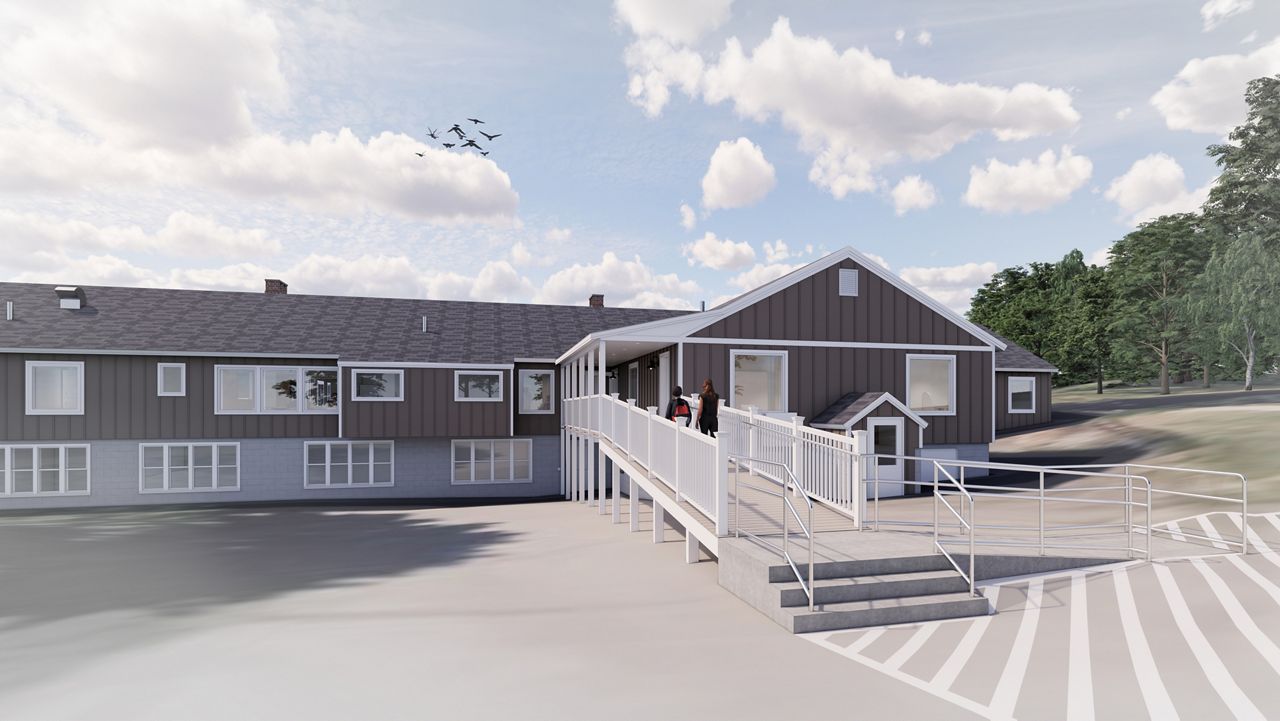
Chenette stressed that despite the volume of youths needing treatment, the number of beds will help since treatment is not expected to last longer than six months to a year.
“The goal is to step kids down after their treatment journey here, not necessarily to institutionalize any child,” he said.
The long-term goal is to cycle youths out of the new facility and into programs at less-secure facilities in Maine.
Sweetser began the renovations after receiving $5.4 million in funding from Gov. Janet Mills and the Maine legislature.
“I’m proud to have worked with the Legislature and Sweetser to build a new treatment facility to address this urgent need and make sure fewer Maine youth don’t have to leave their communities to get the treatment they need,” Mills said in a statement.
Chenette said Sweetser is planning to raise the remaining $2.5 million through a fundraising campaign over the next year and has raised $500,000 so far. He said if the facility is the success Sweetser expects, there will likely be efforts to build similar facilities elsewhere in Maine in the future.
“They need a safe, secure setting for their treatment, not just to get stabilized, but get on really a path toward hope and healing,” he said.