




AUGUSTA — A public hearing is set for September on proposed rule changes for MaineCare that supporters say will tighten regulations without cutting benefits.
One rule would require on-site inspections of providers receiving state funds through MaineCare, the state’s Medicaid program. The other request is to immediately suspend payments to providers suspected of billing for money that they are not entitled to receive.
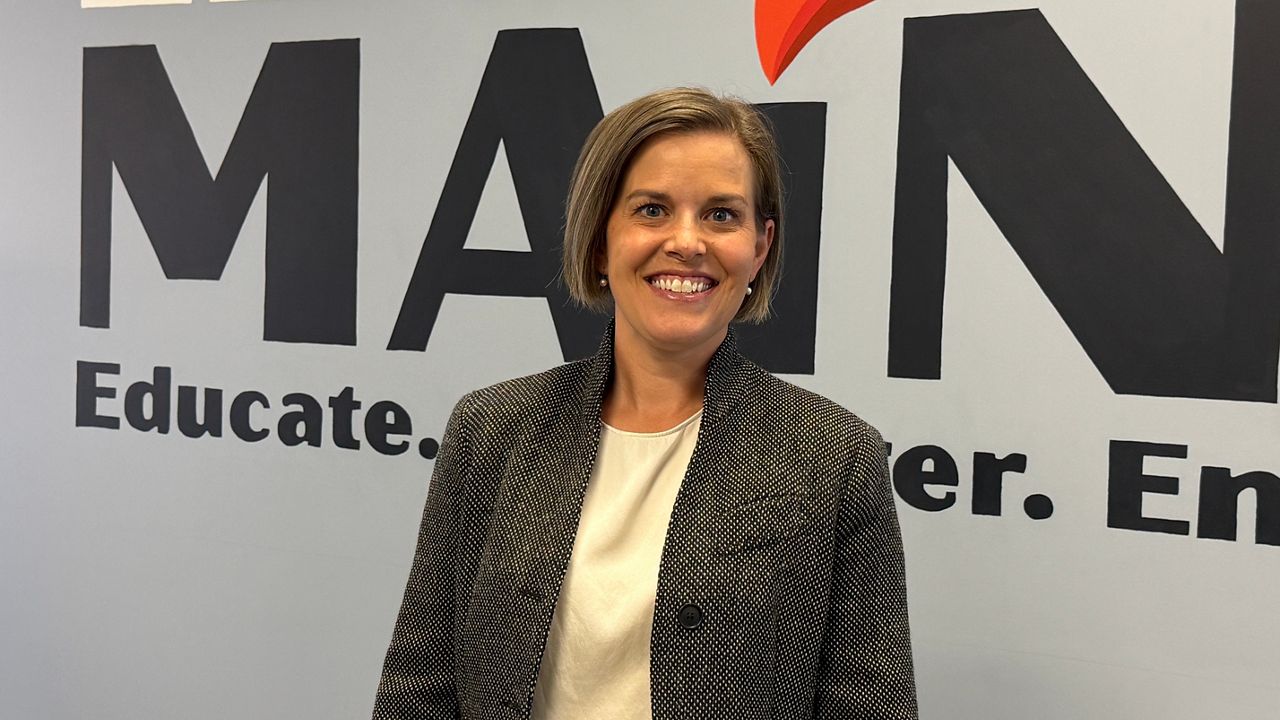
Through her conservative advocacy group Lead Maine, Rep. Laurel Libby (R-Auburn) submitted the necessary signatures to require the Maine Department of Health and Human Services to consider the changes.
“We’ll weed out bad actors who are receiving tax dollars they should not,” Libby said.
In June, Libby’s group turned in more than 3,000 signatures to DHHS to trigger a rulemaking process. State law allows citizens to submit 150 signatures if they’d like to see a department institute a change.
The most recent high-profile example of this was in 2023, when the Natural Resources Council of Maine followed a similar procedure to try to get the state to adopt new electric vehicle rules.
That proposal drew vocal pushback and was ultimately defeated.
Libby said although she is a sitting state lawmaker, she’s been frustrated that Democrats haven’t agreed to make major changes to MaineCare to ensure accountability.
“We spend $1.4 billion dollars a year, this is the largest line item we pay for,” she said. “We being Maine taxpayers. They want to see accountability in this program. I think they deserve accountability for their tax dollars.”
For months, Republicans at the State House have raised concerns about the number of people enrolled in MaineCare and oversight of the program. Gov. Janet Mills, a Democrat, expanded MaineCare during her time in office and estimates show more than 400,000 Mainers are now enrolled.
That’s one in three Maine people and more than half of all children, according to DHHS.
The Trump administration, particularly Vice President JD Vance, has recently ramped up criticism of Maine DHHS and its ability to root out fraud.
In December, DHHS referred a Portland service provider to the attorney general’s office after finding reason to suspect fraud. Several weeks later, a federal audit questioned $46 million in expenditures to those who provide autism services.
Then in August, DHHS posted a notice that in June of this year it imposed five provider payment suspensions based on credible allegations of fraud. It also refused to renew six licenses, assessed fines on 12 agencies and referred one agency to law enforcement.
“DHHS is committed to sharing as much information as possible so the public can understand how seriously it takes fraud prevention and oversight,” the department wrote.
It also noted that state and federal laws sometimes prevent the agency from sharing information about ongoing investigations.
With the public hearing on new rules set for Sept. 10, Libby hopes Mainers will take the time to speak out.
“This is a way that citizens can make a difference outside of the Legislature, through the rulemaking process,” Libby said.
The hearing will begin at 8:30 a.m. at DHHS headquarters, 109 Capitol St., in Augusta. A Zoom option will be available as well and comments will be accepted until Sept. 20.