




A proposal to modernize hospital funding statewide will pump about $60 million into Maine hospitals in the coming years, but smaller facilities are concerned about projected losses amid the complicated reforms.
For more than a year, the Maine Hospital Association and the Maine Department of Health and Human Services negotiated a new rate system that increases the taxes hospitals pay to draw down more federal funds, said Steven Michaud, president of the hospital association.
“We had not had an inpatient rate increase in 15 years,” he said.
The new MaineCare rate reform proposal is included in Gov. Janet Mills’ supplemental budget, which was released Wednesday. The idea is to ensure fair and consistent payments when hospitals provide services to those on MaineCare, the state’s Medicaid insurance program, according to DHHS.
As it is now, hospitals pay a 2.25% tax, which would go up to 3.25% on Jan. 1, 2025.
State estimates tout new state and federal investments of $90 million starting July 1, but Michaud said once the additional tax is subtracted out, hospitals will see $50 million to $60 million in new funds.
“Drawing down additional federal Medicaid dollars helps hospitals and their caregivers, eases the burden of escalating costs on Mainers and businesses who are paying for care, and helps the Maine economy at the same time,” Michaud said in a statement.
Michaud said the proposal will benefit the “vast majority” of the state’s hospitals, including Maine Medical Center in Portland and MaineGeneral Medical Center in Augusta.
But others will be hurt, including York Hospital, which serves fewer MaineCare patients than many other hospitals in the state, said Dr. Patrick Taylor, hospital CEO.
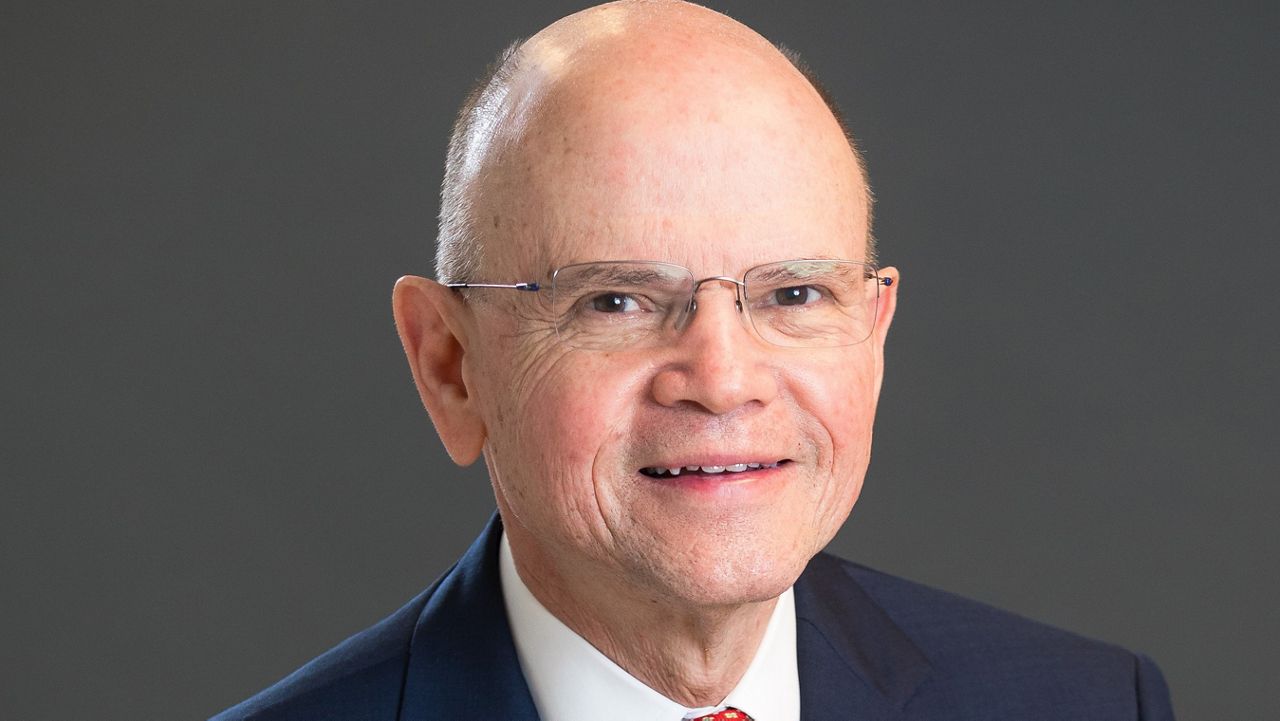
The way it works now, the hospital faces a $1.6 million annual gap. If the tax is increased and other changes are made to the formula, York Hospital will face an $8 million annual shortfall, he said.
“We don’t have other funding options to make up that gap,” Taylor said. “That is very, very daunting and (could have) significant ramifications to us going forward.”
In the proposal released last week, DHHS included a transitional payment earmarked for York Hospital that would continue for five years.
But Taylor said the $5.6 million annual payment won’t be enough to close the gap in his budget and that he’s worried about what will happen when the payments stop.
“It is only for five years and then there’s a cliff,” he said. “It is a partial, temporary transition. We’re not a temporary hospital. We don’t treat temporary patients. I don’t look at York Hospital in five-year increments. We’ve been here over 100 years and we look to serve this community for the next 100 years.”
Michaud said critical access hospitals will also be negatively affected. Those include hospitals in Machias and Calais, which are projecting a new $500,000 funding gap each year under the proposal, according to Down East Community Hospital spokeswoman Julie Hixson.
“As you can imagine, this is another negative blow to our financial performance and will drive rural hospitals to reassess” the services that are provided, she said in a statement.
Taylor said he’s meeting with state officials next week to see if they are willing to change the proposal due to the impact on his hospital.
“Eight million dollars is just huge,” he said. “We couldn’t operate the hospital. We couldn’t cut the amount of services and folks we would need and continue to operate. That’s not tenable.”