




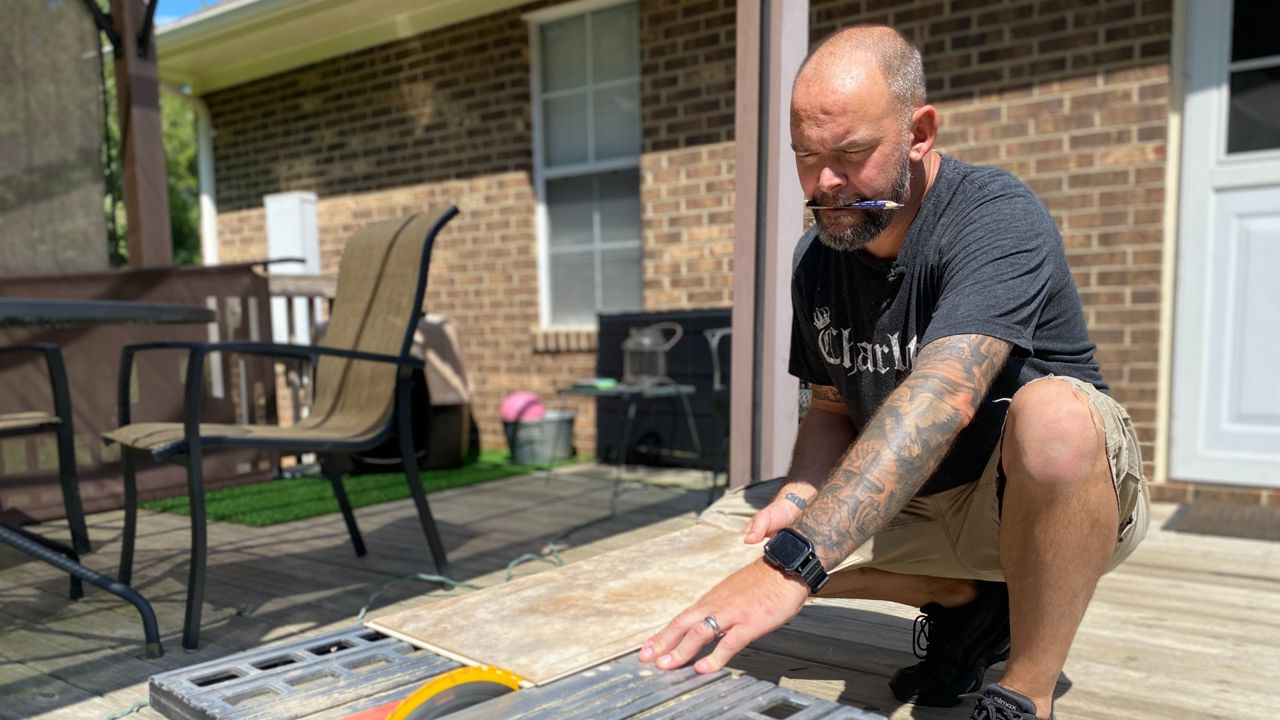
A bill to license residential building contractors cleared its first hurdle Tuesday when it passed the House of Representatives.
The measure seeks to require residential general contractors with projects over $15,000 to be licensed. It will give the Maine Office of the Attorney General enforcement tools, such as license suspension and penalties for those who violate the requirements, according to the House Democratic Office.
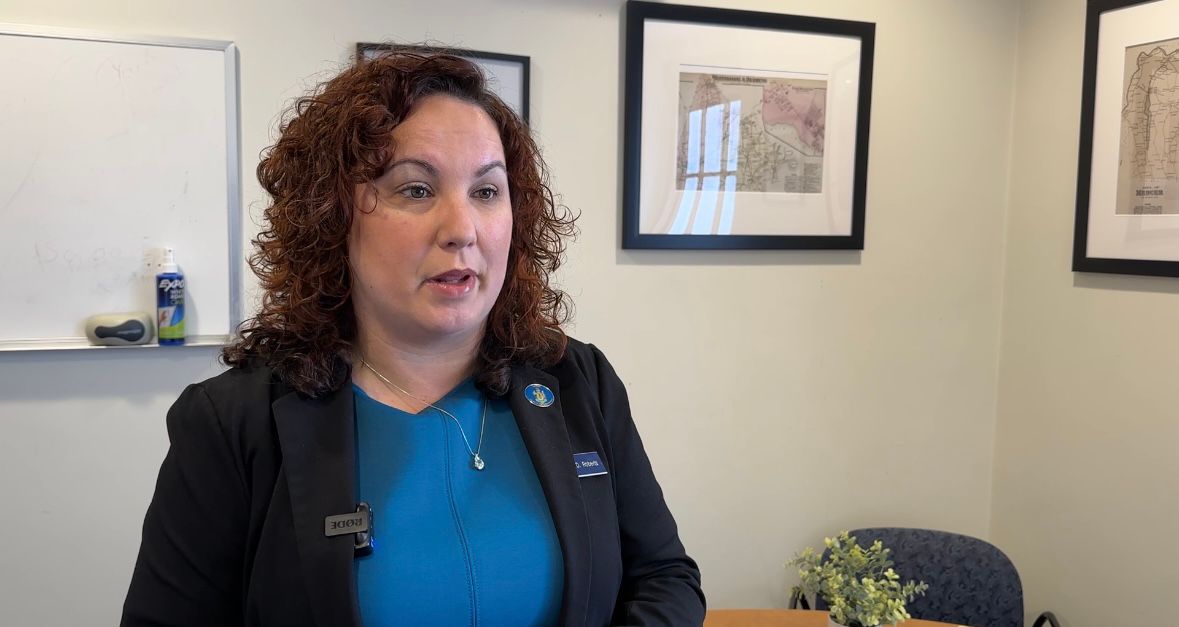
The bill sponsored by Rep. Tiffany Roberts (D-South Berwick) requires contractors to complete a six-hour class to be eligible for a license. She told Spectrum News recently that the lack of a licensing system has become an issue for many Mainers.
But she said a stakeholder group that met for several months helped craft the legislation so it should not hurt contractors who do small jobs.
“This is not going to affect the handyman, the subcontractor,” she said. “That wasn’t our intent. Our intent was to get the project manager whose license would be on the project, whose insurance would cover the project.”
It’s the seventh time in the last 15 years that lawmakers have considered similar contractor licensing bills. Across the country, 35 other states have licenses or registries for contractors.
Since 2018, the attorney general’s office has received more than 3,300 complaints totaling more than $12 million of unfinished or shoddy work, Assistant Attorney General Christina Moylan told lawmakers last year during a public hearing on the bill.
“Consumers have very little bargaining power when it comes to hiring a contractor, so when things go wrong, the loss usually falls completely on the consumer,” she said.
Roberts seeks to set up a licensing system like what’s already in place for plumbers, electricians and others who work on homes and commercial properties.
The Associated Builders and Contractors are opposed to the new bill, saying that there are many unanswered questions about how it would work.
With a housing shortage, now is not the time to potentially reduce the labor pool, said Garrett Mason, a former state lawmaker who represents ABC at the State House.
“If a contractor is on a job and there’s a change order that pushes the project over $15,000, do you have to stop work and get licensed?” he said.
Mason said workers close to retirement likely won’t want to get licensed and will leave the workforce. They also are concerned that once the system is in place, it could be expanded to cover commercial contractors too.
A report released last year shows that Maine is short an estimated 84,000 homes to meet current and future demand.
In a statement released Wednesday, Roberts said she sees the bill as a way to make sure new homes are built to last.
“By licensing residential general contractors, we’re not just protecting consumers — we’re preserving our communities’ integrity and safeguarding our state’s future,” she said.
The Senate passed the bill 20-13 on Wednesday afternoon, but it will face additional votes in both chambers before it heads to Gov. Janet Mills, who could sign it, veto it or let it become law without her signature.