

AUGUSTA — Supporters and opponents of a proposed law to give family members more power to remove firearms from someone considered a danger came to the State House Wednesday to make sure their voices are heard.
The public hearing served as a preview of what’s likely to be a hard-fought campaign as both sides seek to win over voters before the November election.
Earlier this year, the Maine Gun Safety Coalition turned in more than 80,000 signatures to call for a public vote on a new extreme risk protection order.
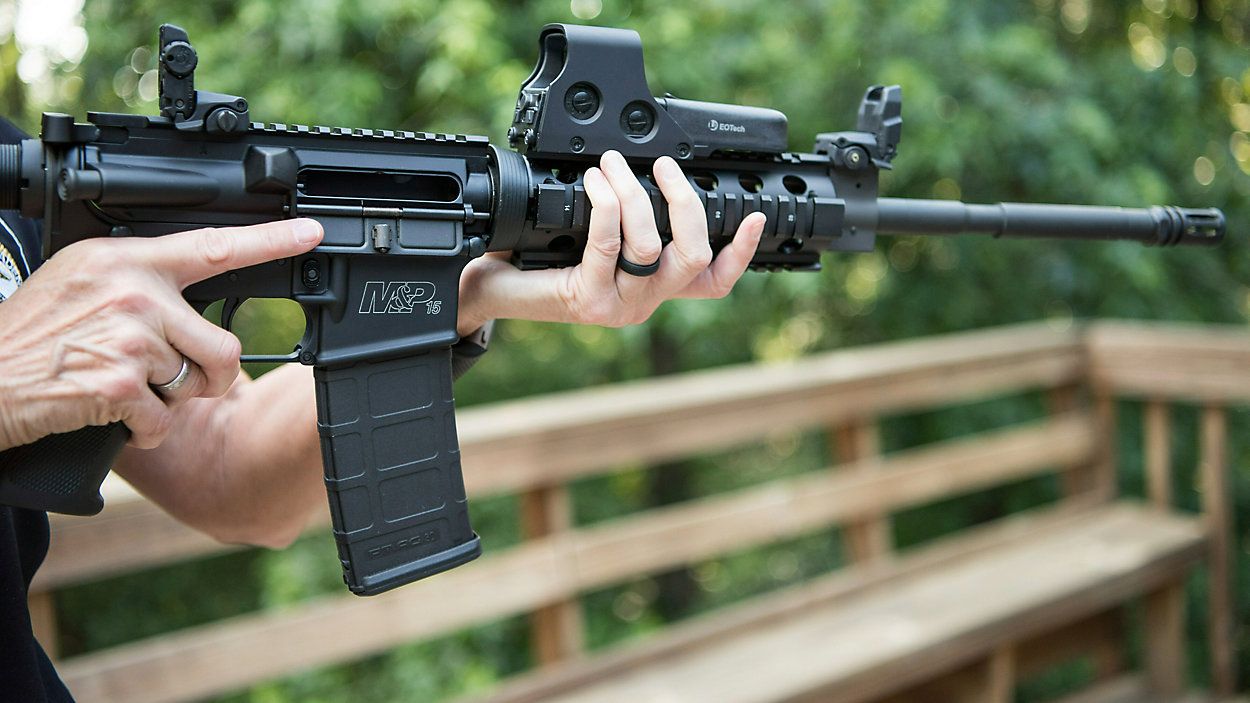
The group wants Maine to join 21 other states in adopting a red flag law that allows family members to directly petition a court for the removal of firearms if “a loved one is in crisis and may pose a threat to themselves or others.”
At the Wednesday public hearing, the father of one of the 18 people killed in the 2023 Lewiston mass shooting testified in favor the measure.
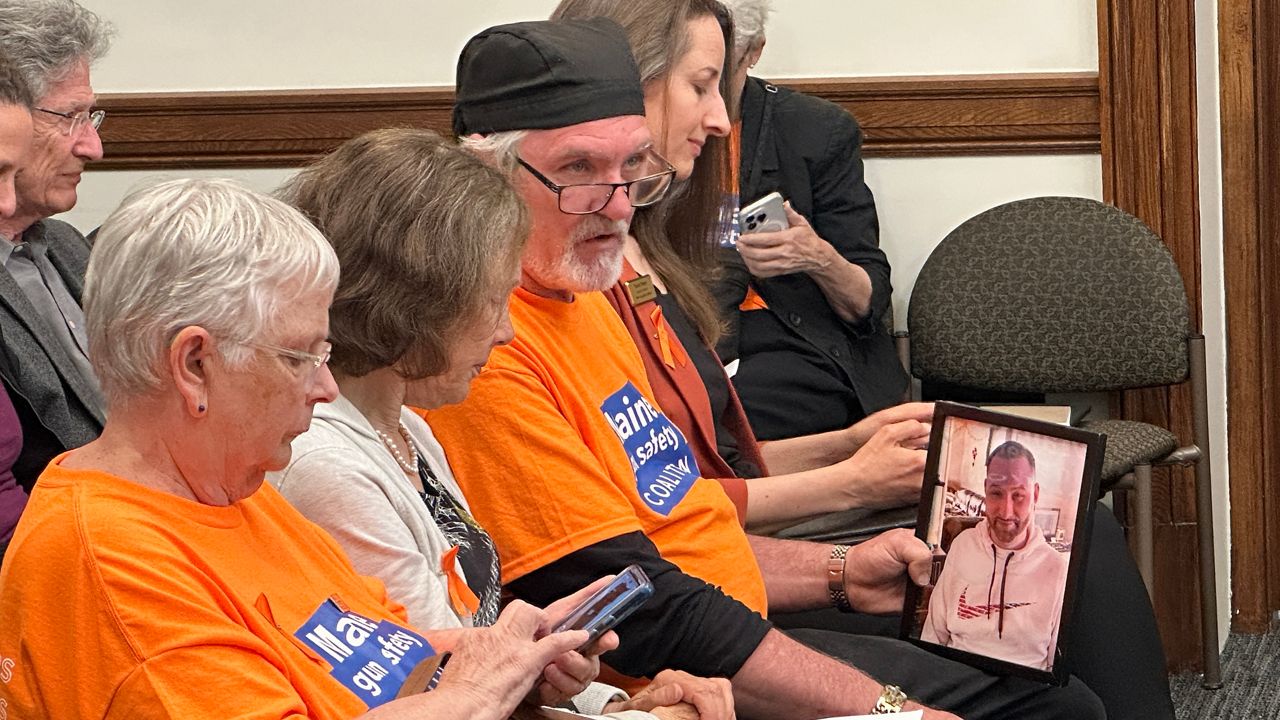
Arthur Barnard, father of Artie Strout, who was killed at Schemengees Bar and Grille, held a framed photo of his son as he spoke to lawmakers.
“Is the real thing not to do anything?” he asked. “We have to allow these families to report somebody. They are the first line of defense.”
But opponents, including the Maine State Police and Gov. Janet Mills, say the measure goes too far and that the state’s current yellow flag law is working. It’s been used to take guns away from Mainers more than 800 times, mostly since the mass shooting.
Gerald Reid, an attorney who submitted testimony on behalf of the governor, said Mills is concerned about allowing private citizens to petition for the removal of weapons.
“Creating a process that bypasses law enforcement would also release law enforcement from its current obligation to administer this process,” according to written testimony. “It is the responsibility of law enforcement, not that of a private citizen, to protect the public.”
In the wake of the Lewiston shooting, Maine lawmakers earmarked more funding for mental health services, expanded background checks, and implemented a 72-hour waiting period for firearm purchases.
But it stopped short of full consideration of a red flag law.
This time around, the Democratic leaders of the Judiciary Committee said they would not hold a public hearing on the bill because the Maine Constitution didn’t require it and it was clear the issue will be decided by voters in November.
But following GOP pushback, and threats of a lawsuit from the National Rifle Association and others, Democrats relented and scheduled the Wednesday hearing with less than 48 hours’ notice.
Supporters of the red flag law say it would not replace the current system but add to it.
“The facts are simple,” said Nacole Palmer, executive director of the Maine Gun Safety Coalition. “Maine’s current law, an outlier, was in place in 2023 and it failed to prevent the horrific tragedy in Lewiston despite multiple warnings about the would-be shooter.”
But they will be opposed by the National Rifle Association, Sportsman’s Alliance of Maine and the Gun Owners of Maine, all of whom urge voters to reject the ballot question.
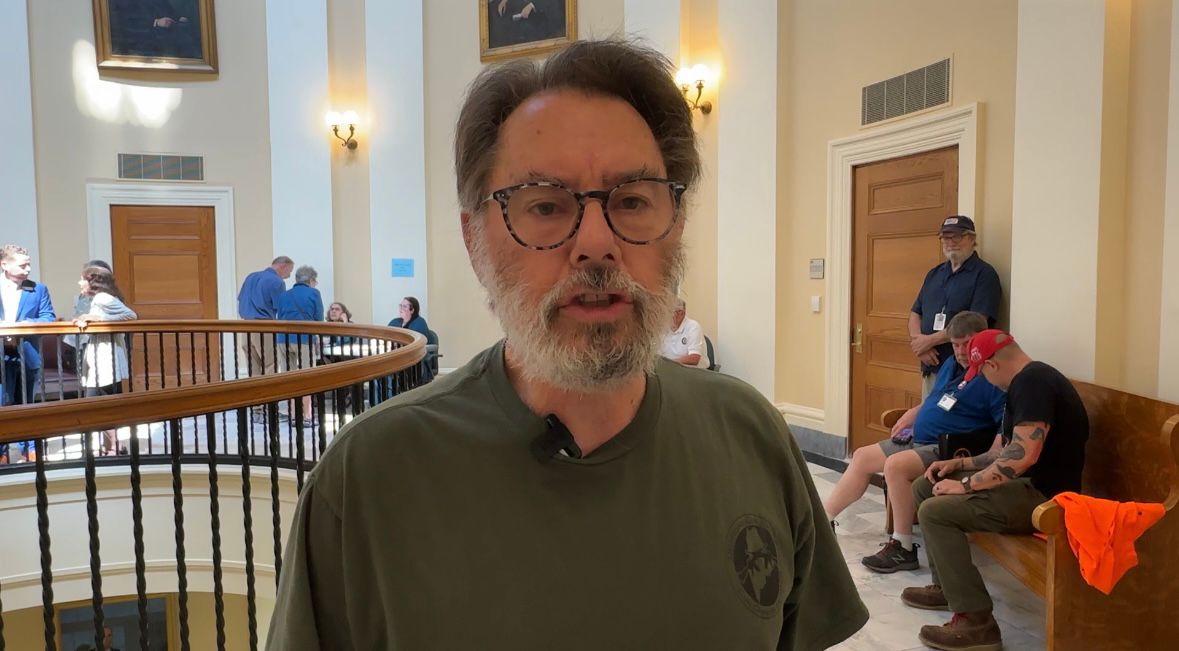
Richard Coshow, a volunteer with the Gun Owners of Maine, said it’s not state law, but law enforcement’s failure to follow it, that led to the Lewiston mass shooting committed by Robert Card.
“It failed in that instance because it was not followed,” he said. “There were many failures at many levels with Robert Card that were not the fault of the law but the fault of the people that did not follow through.”
The red flag ballot question will join another citizen initiative in November that proposes significant changes to Maine election law, including requiring voters to present a photo ID at polling places, reducing the number of ballot drop boxes, and requiring a photo ID to get an absentee ballot.