





AUGUSTA — A state task force is meeting this summer to come up with recommendations for how Maine should handle the potential impacts of artificial intelligence.
The idea is to get ahead of how major technological changes could impact Maine, ranging from the economy, workforce and education to healthcare and the public sector.
“We’ll want to see what we can do to safeguard data, mitigate bias that can come from training AI and make sure people know when they are using AI,” said David Daigler, president of the Maine Community College System and co-chairman of the Maine Artificial Intelligence Task Force.
In general, AI refers to computer systems that can do things normally done by humans, such as tasks that involve reasoning and decision making, according to NASA. The systems are designed to work “without significant human oversight” and can learn and improve “when exposed to data sets,” NASA explains on its website.
ChatGPT, a program that generates text and speech, is an example.
Gov. Janet Mills signed an executive order in December to create the state task force, saying she felt it was necessary because of “a rapid surge of technological advancements that are poised to revolutionize how people live and work.”
“Emerging AI technologies offer the potential to improve lives, drive economic growth, and help solve complex challenges,” she said in a statement. “But like all new technologies, AI, if not embraced in a prudent and responsible manner, can cause potentially harmful changes to the lives and livelihoods of Maine people.”
According to the executive order, at least 26 other states have similar groups studying how AI will impact their economies — for better and for worse.
“Up to a fifth of American jobs are considered highly exposed to AI — jobs for which AI could present both opportunities to increase performance and risks of displacement or other negative impacts,” the order states.
Daigler said nearly every job will change as companies and governments begin using AI. But rather than a “sudden eradication of jobs” he anticipates incremental changes and growth in other sectors, such as engineering and data management.
He thinks AI has the potential to improve the manufacturing process and healthcare, particularly when it comes to the speed with which physicians diagnose disease.
So far, the task force has consulted with other states about how they are handling potential regulation and balancing that with the possibilities for economic growth.
“What do we need to do to make sure our business environment is maximizing AI opportunity?” he said.
Just last month, states’ ability to regulate AI seemed in jeopardy because a bill moving through Congress that proposed prohibiting states from regulating AI for 10 years. In response, 39 Maine state lawmakers wrote to U.S. Sen. Susan Collins urging her to reject the provision.
“Artificial intelligence will continue to evolve and expand rapidly over the next decade,” Rep. Amy Kuhn (D-Falmouth) said in a statement. “Putting restrictions on the state’s ability to provide consumer protections against adverse uses of AI is dangerous and puts Mainers at risk.”
Ultimately, the Senate voted overwhelmingly to strip that provision from President Donald Trump’s bill of tax breaks and spending cuts.
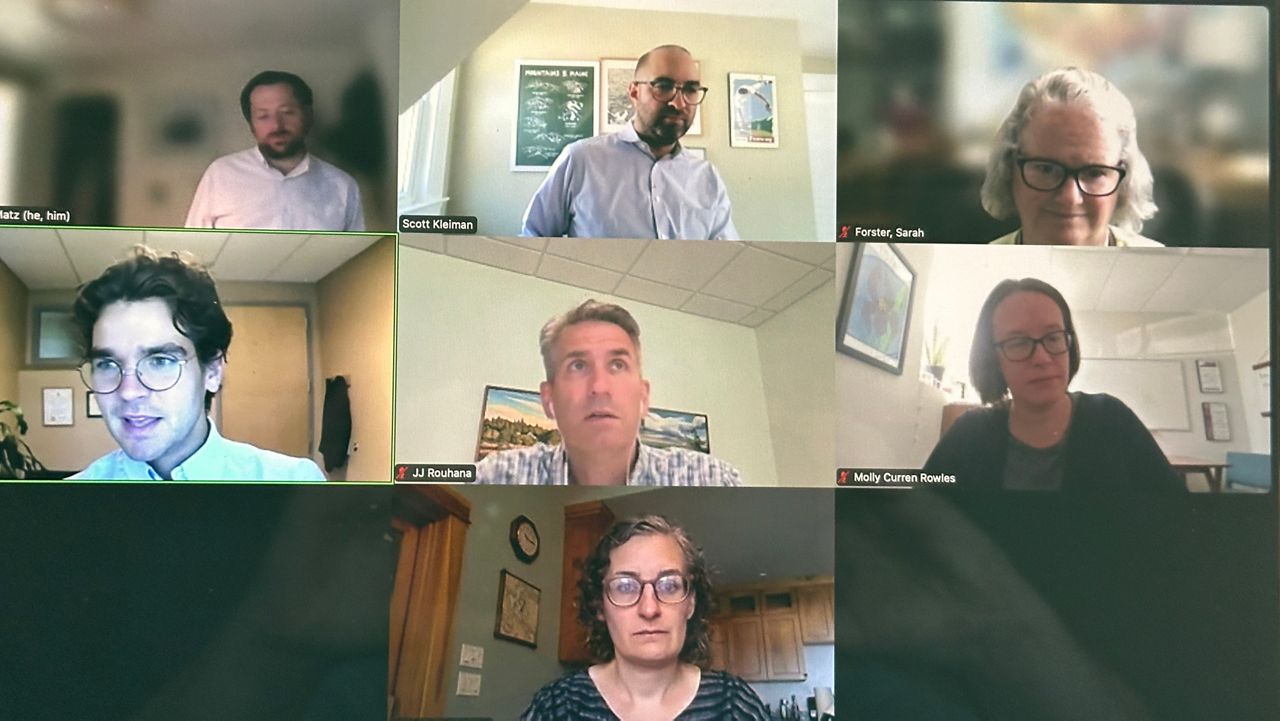
On Monday, a task force subcommittee met to discuss potential harm. Other groups are studying impacts on the economy, workforce, education, healthcare and the public sector.
“You all have been asked by the governor to provide her and the Legislature with recommendations,” said Scott Kleiman, a policy director at the Governor’s Office of Policy Innovation and the Future. “That’s the audience I think is useful to have in mind as you are shaping these recommendations.”
The task force has until October to prepare a report. Daigler said the focus on AI will last much longer.
“It’s going to continue to change and we’re going to need to change and evolve with it,” he said.