




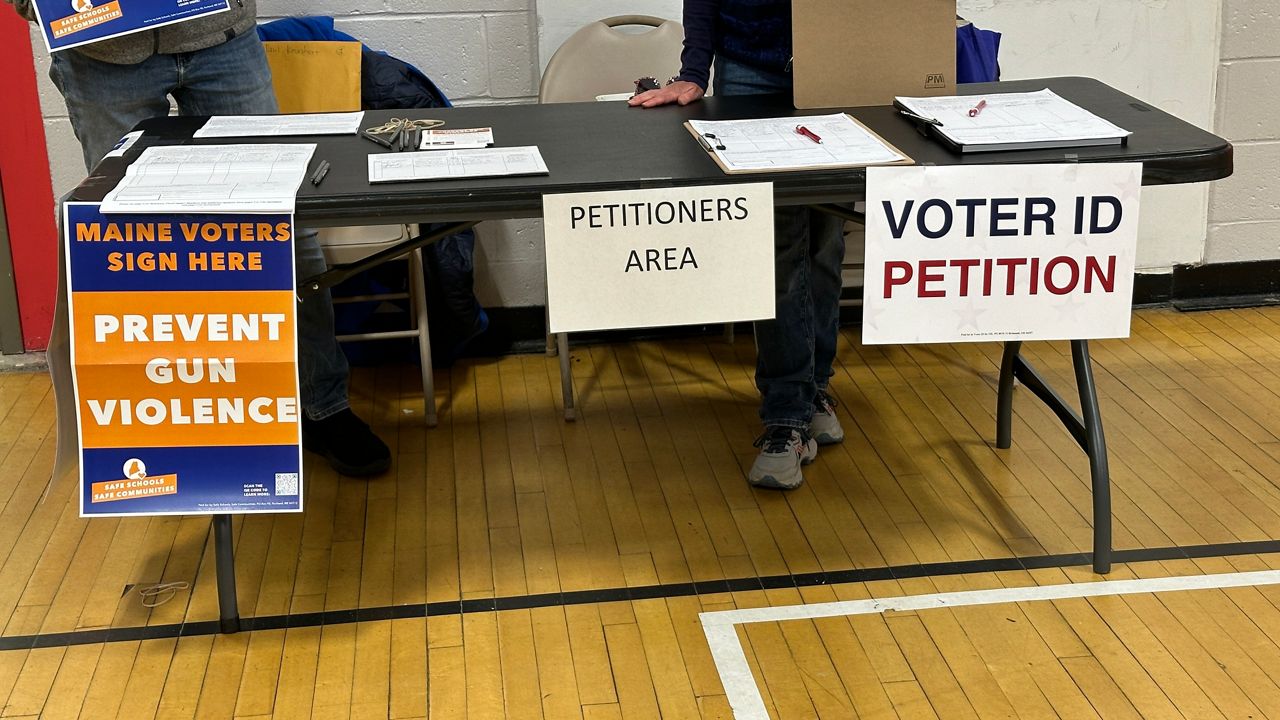
AUGUSTA — The fall campaign season is about to kick into high gear, with Mainers statewide facing two ballot questions and a handful of local races on Nov. 4.
Question 1 asks voters if they want to make significant changes to Maine voting laws, including eliminating two days of absentee voting, prohibiting requests for absentee ballots by phone or through a family member and requiring voters to show a photo ID before voting.
Question 2 proposes a “red flag” law that will allow family members to ask courts to take away firearms if they believe someone is a danger to themselves or others.
With just nine weeks to go before Election Day, Mainers have yet to see television ads on the ballot questions or efforts to drum up votes via mail.
Voters in larger cities and towns will also see city council and school board races in places like Portland, Bangor and Lewiston.
On Question 1, a forum with participants from both sides — and a representative of the Secretary of State’s Office — is set for 6:30 p.m. Sept. 26 at Mt. Ararat High School in Topsham.
Alex Titcomb, a spokesman for Question 1 supporters, said via email that they will participate in other forums and a debate sponsored by a local television station.
“As we get into the height of the campaign season, I’m sure there will be other opportunities for us,” he wrote.
Titcomb and others say requiring voters to present a photo ID at polling places will ensure the integrity of the election.
Question 1 opponents, the Save Maine Absentee Voting Coalition, is hosting house parties, knocking on doors and will have a major get out the vote effort close to the election, said David Farmer, campaign manager.
“We will have a healthy program to reach voters this fall,” he said.
The coalition says in addition to requiring a photo ID at polling places, the ballot initiative would make it harder for senior citizens and those with disabilities to cast their ballots.
Coalition partners include the ACLU of Maine, Disability Rights Maine, Maine Equal Justice and others.
The debate over Question 2 began to bubble up last week when the Maine Department of Public Safety released statistics showing that the state’s existing “yellow flag” law has been used more than 1,000 times.
“It is saving lives every day,” Gov. Janet Mills said in a statement. “Law enforcement officers, prosecutors and judges are accustomed to the law and understand the process.”
Mills opposes Question 2, saying that she fears it will add confusion to a system that is already working.
But supporters say the current system — which relies on law enforcement to take someone into custody and get a mental health evaluation before going to a judge — failed to stop the Oct. 25, 2023 mass shooting in Lewiston in which a gunman killed 18 people.
Following the release of the statistics last week, James Stretch, campaign manager for Question 2, said in a statement that families need the power to go to a court if a loved one is in crisis.
“The growing use of Maine’s current law only highlights the need for a smarter, more efficient, and safer tool for families when a loved one is in crisis,” Stretch said. “We’re glad it’s been used more in the last few years, but the bottom line is that Maine’s current law existed and failed to prevent the tragedy in Lewiston despite multiple warnings by the shooter’s family that he was dangerous.”
Question 2 opponents, led by the Sportsman’s Alliance of Maine, will hit the road this fall for a series of forums to pitch an alternative to the red flag law.
David Trahan, SAM’s executive director, said they will head to Portland, Lewiston, Bangor and possibly Belfast to talk about increasing mental health services and training school resource officers in how to use the yellow flag law. He said those ideas are part of a competing measure that lawmakers blocked from moving forward earlier this year.
“We won’t have enough money to get on TV, won’t have enough time to explain it, but if we can go in, do these forums, live feed them on to Facebook, take questions from the public, we can have an interaction where maybe we can get across to people,” Trahan said.