




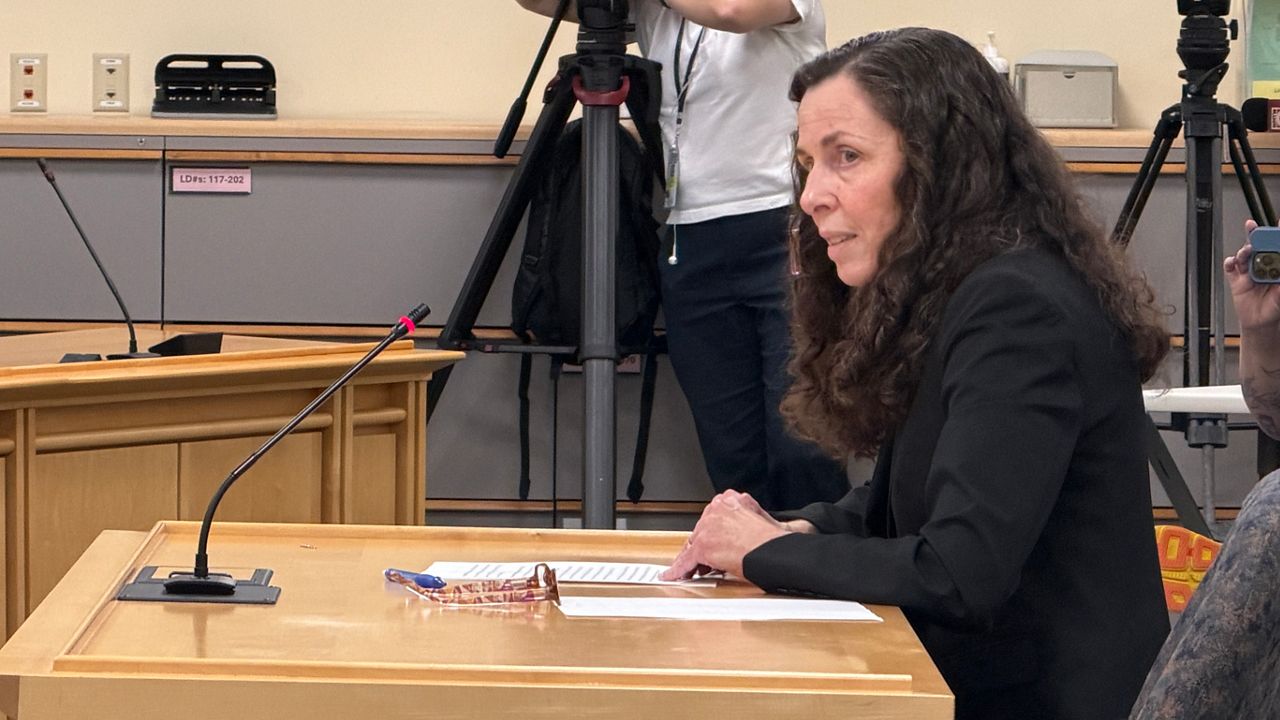
AUGUSTA — The head of the Maine Department of Health and Human Services told lawmakers Thursday that her staff follows strict protocols when investigating fraud to ensure public funds are spent as intended.
“Let me be clear: the Department takes allegations of fraud very seriously,” Commissioner Sara Gagne-Holmes told the Health and Human Services Committee.
Gagne-Holmes addressed the committee following action the department took last month to refer a Portland social services provider to the attorney general’s office because of what the department characterized as credible allegations of fraud.
Gateway Community Services LLC denied the allegations and said in a statement that it maintains “strict billing, documentation, and compliance protocols.”
In a December 23 letter, DHHS notified Gateway that it was suspending all Medicaid payments. The letter stated that the company is accused of billing for services not rendered and billing for non-covered services.
The alleged overpayments total about $1 million.
To help lawmakers better understand DHHS investigative protocols, Gagne-Holmes gave a brief overview of three divisions within the department that oversee Medicaid payments. Those include the Division of Audit, Fraud Investigation and Recovery Unit and the MaineCare Program Integrity Unit.
“Every dollar we manage represents a commitment to ensure funds are used lawfully, effectively, and in direct support of the programs and people they are intended to serve,” she said.
Documents provided to the committee show the audit division reviews spending by about 600 different providers that receive over $1.5 billion in state and federal funds each year.
If they suspect fraud, they refer the case to other state or federal authorities.
When it comes to suspected misuse of individual benefits such as MaineCare, food stamps and temporary assistance, DHHS has investigators across the state, said Tom Roth, unit director.
In 2025, the unit received 890 tips and found 52 intentional program violations. They also referred three cases to the attorney general, 28 cases to local district attorneys and seven cases to federal authorities, Roth said.
In a typical year, the MaineCare Services Program Integrity Unit — which looks for waste, fraud and abuse by service providers — refers three to five potentially fraudulent cases to the attorney general’s office, said William Logan, associate director of compliance.
Most of the cases they investigate are overpayments related to sloppy recordkeeping or providers who unintentionally submit a bill for an extra unit of service, he said.
Several lawmakers asked the unit leaders if they need additional staff and most agreed that they could use more help. Overall, they indicated that the number of cases they investigate have been relatively steady over the last several years.
As she wrapped up her comments, Gagne-Holmes said it’s important to maintain a clear investigative process.
“Ultimately, trust is not built through rhetoric,” she said. “It is built through consistent, lawful, and disciplined action.”