




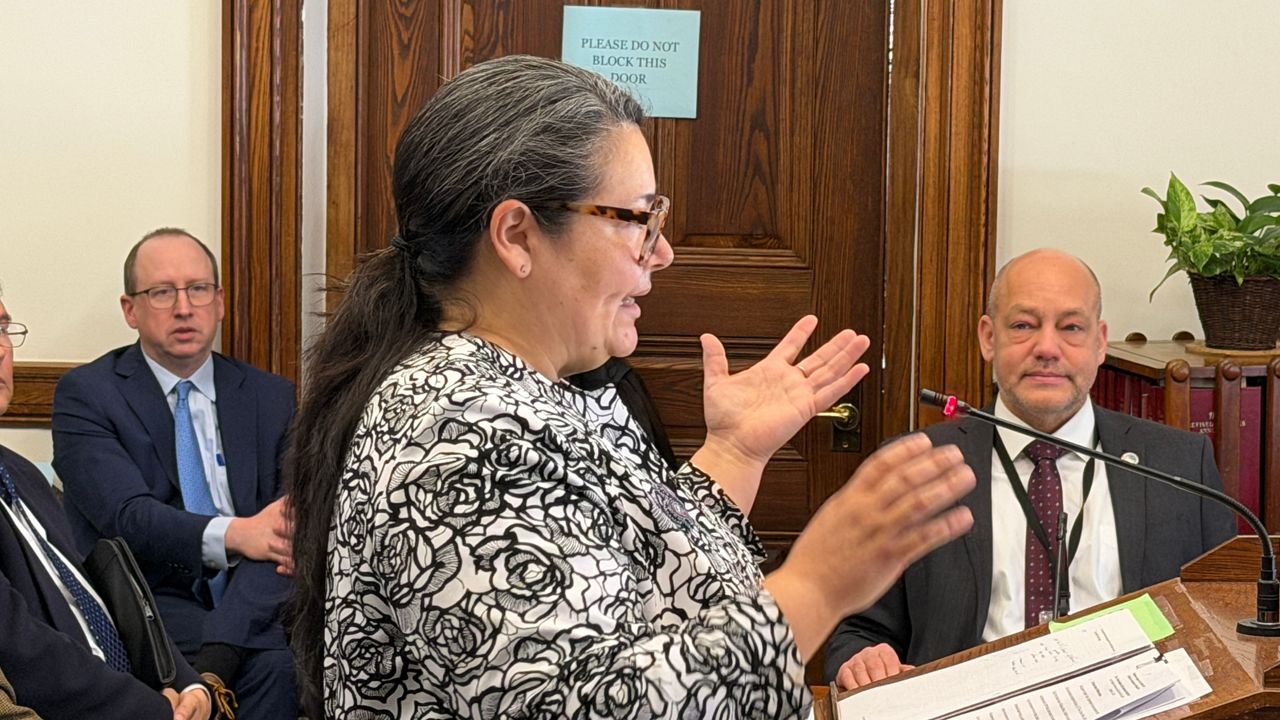
AUGUSTA — The push by tribal leaders toward sovereignty and better access to beneficial federal laws continued at the State House Thursday with dozens of supporters speaking out at a public hearing.
Sen. Rachel Talbot Ross (D-Portland) is the lead sponsor of both pieces of legislation. She told the Judiciary Committee that for far too long, four tribes in Maine have been at a disadvantage when compared to the more than 570 other tribes across the country.
“The Wabanaki Nations are the only federally recognized tribes routinely denied benefits of federal legislation that help all of the other tribes in the United States grow, flourish and prosper,” she said.
Leaders of the Passamaquoddy Tribe, Penobscot Nation, Houlton Band of Maliseet Indians and Mi’kmaq Nation all testified to state legislators about the importance of LD 395, which seeks to give tribes in Maine the power to more easily access federal laws and LD 785, which proposes to grant sovereignty to the tribes.
Chief Clarissa Sabattis of the Houlton Band of Maliseet Indians said for years, leaders have come to the State House in hopes of getting equal access to tax benefits, job creation and ways of increasing revenue.
“We see other tribes who are really flourishing and able to just have access to these things,” she said. “It’s hard to come here and ask. It does feel sometimes like we’re begging for things that really just should be inherent to us.”
A 2022 study showed that since 1980, when tribes in Maine entered into a settlement agreement, the tribes have not been able to take advantage of about 150 laws that have helped tribes in other states.
Passamaquoddy Chief William Nicholas said he and others are working closely with Gov. Janet Mills to find areas of common ground, particularly on tax issues.
He said he’s hopeful they will be able to present the committee with an amendment that extends certain types of tax exemptions to tribal members and on tribal lands.
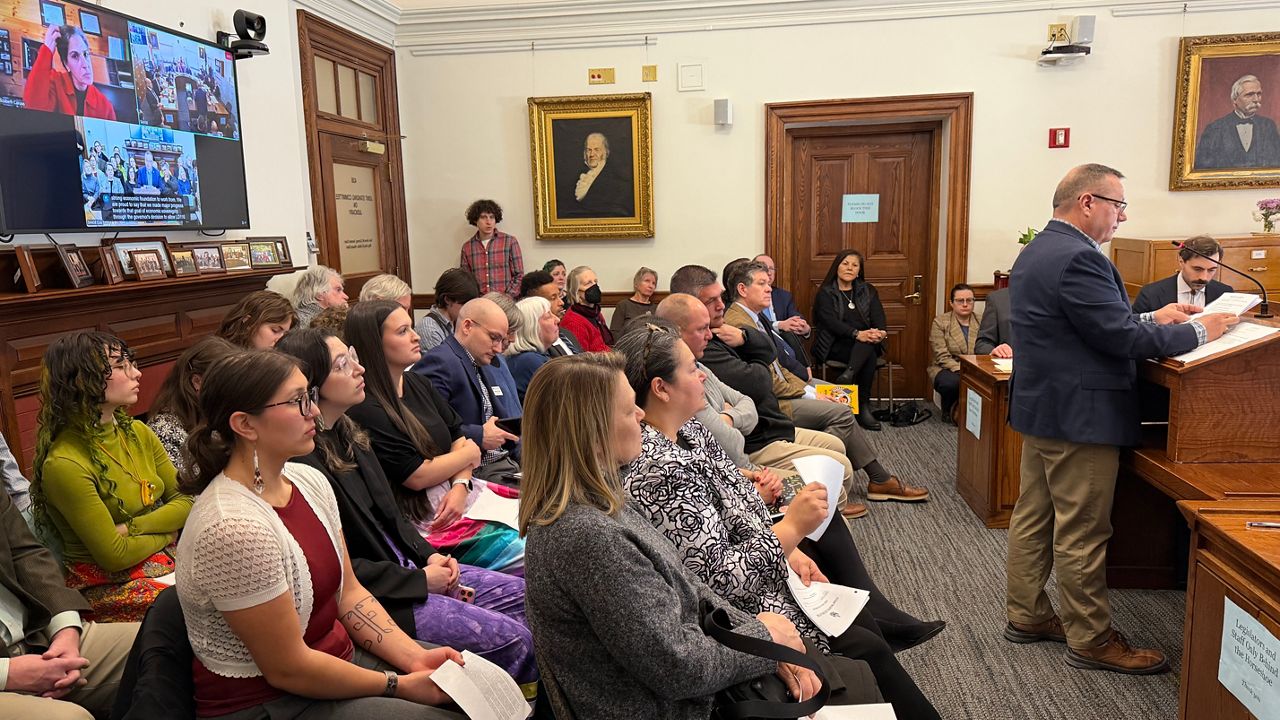
“There’s a lot of good momentum right now and we want to keep it up,” he said.
Three years ago, Mills vetoed a bill that would have granted the tribes access to federal laws and the Legislature failed to override it.
On Thursday, Mills’ attorney, Gerry Reid, told the committee the governor supports efforts to make it easier for tribes to take advantage of federal laws and that he is working with tribal leaders on a compromise.
“We are actively engaged in discussions with my counterparts, the attorneys who represent the Wabanaki Nations,” he said. “Those conversations are constructive and respectful, and I feel like we’re making progress.”
Through the years, the country’s treatment of Native Americans has evolved, said Craig Sanborn, legal counsel for the Mi’kmaq Nation.
“Federal Indian policy towards the tribes has changed multiple times,” he said. “It’s gone from eras of termination to eras of self-determination.”
The Judiciary Committee will hold work session on both bills in the coming weeks.