





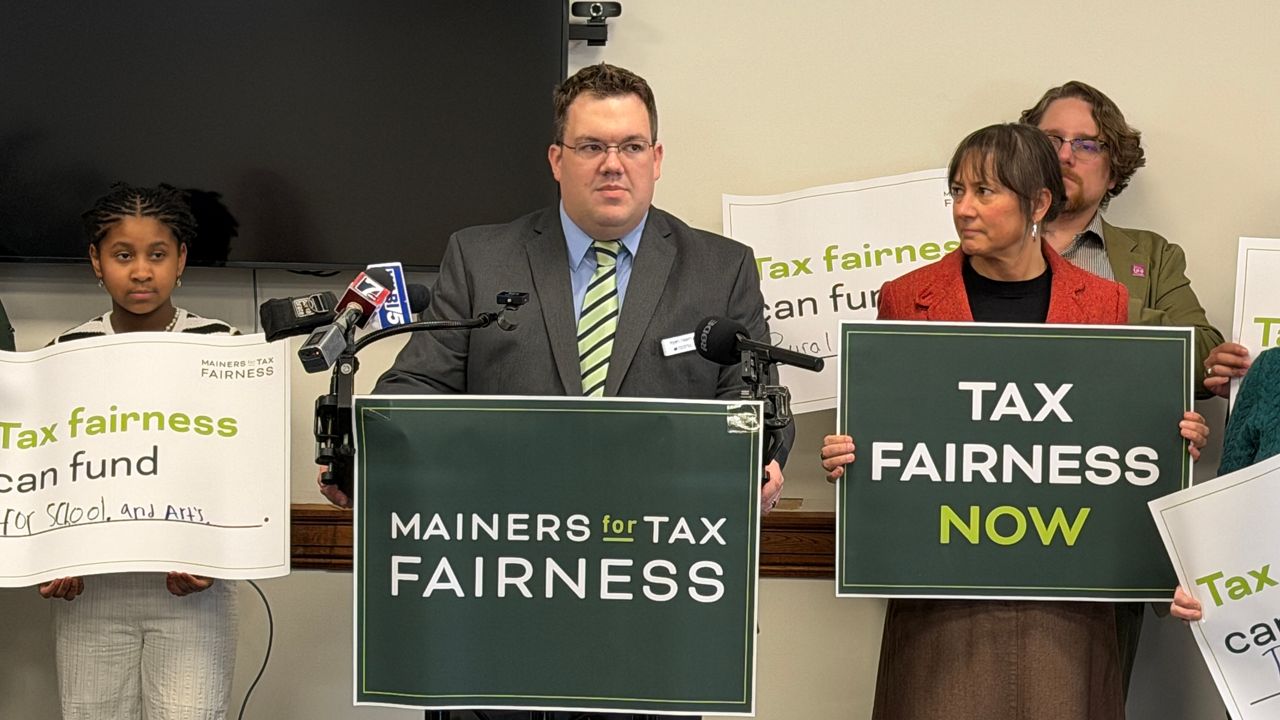
AUGUSTA — A coalition of progressive groups is urging Maine lawmakers to pass bills raising taxes on millionaires and corporations to fund state services.
Mainers for Tax Fairness includes the Maine Center for Economic Policy, Maine People’s Alliance, Maine Service Employees Association SEIU Local 1989 and more than 20 other groups.
One of the bills proposes to add a 2% tax on incomes over $1 million to provide a permanent funding stream for local education. It would generate an estimated $75 million a year.
Another bill would raise the corporate tax rate on profits over $3.5 million by about 1%. That could draw $50 million a year.
The final bill would increase state income taxes on those with high incomes to bring in about $90 million a year.
Supporters of the bills say they will help shore up state revenues following federal cuts to food stamps and Medicaid that will be phased in over several years.
“Together, these proposals would raise robust, progressive revenue and that revenue could build a firewall against the federal harm and make real investments in Maine where they are urgently needed,” said Ryan Tipping, a former Democratic state lawmaker who is director of campaigns and strategy for the Maine Center for Economic Policy.
Anna Korsen, deputy director of Full Plates Full Potential, said prior to the passage of the “One Big Beautiful Bill” last year, Maine’s share of Supplemental Nutrition Assistance Program benefits totaled $13.8 million per year. Once cuts to the program are fully implemented over the next few years, Maine’s share of the program will increase to $75 million a year, she said.
Korsen said the Maine Constitution guarantees a right to food for all people and that state officials set a goal of ending hunger by 2030.
“Hunger is a policy choice,” she said. “Maine has the opportunity now to choose fair revenue generation to support investments in basic needs like SNAP and school meals.”
When it comes to housing, eviction prevention programs have helped over 1,300 low-income Mainers stay in their homes over the last two years, said Susan Kiralis, board vice president at Maine Equal Justice.
“Maine is in a housing crisis,” she said. “Rents have risen faster here than in many other states and wages haven’t increased.”
When asked by reporters whether the bills will pass this legislative session, Tipping said they are popular with the public and that some of them have already received initial support in the Democratically controlled House and Senate.
“These are not just ideas that are out there, these are real solutions that have already passed several tests in the Legislature,” he said.