




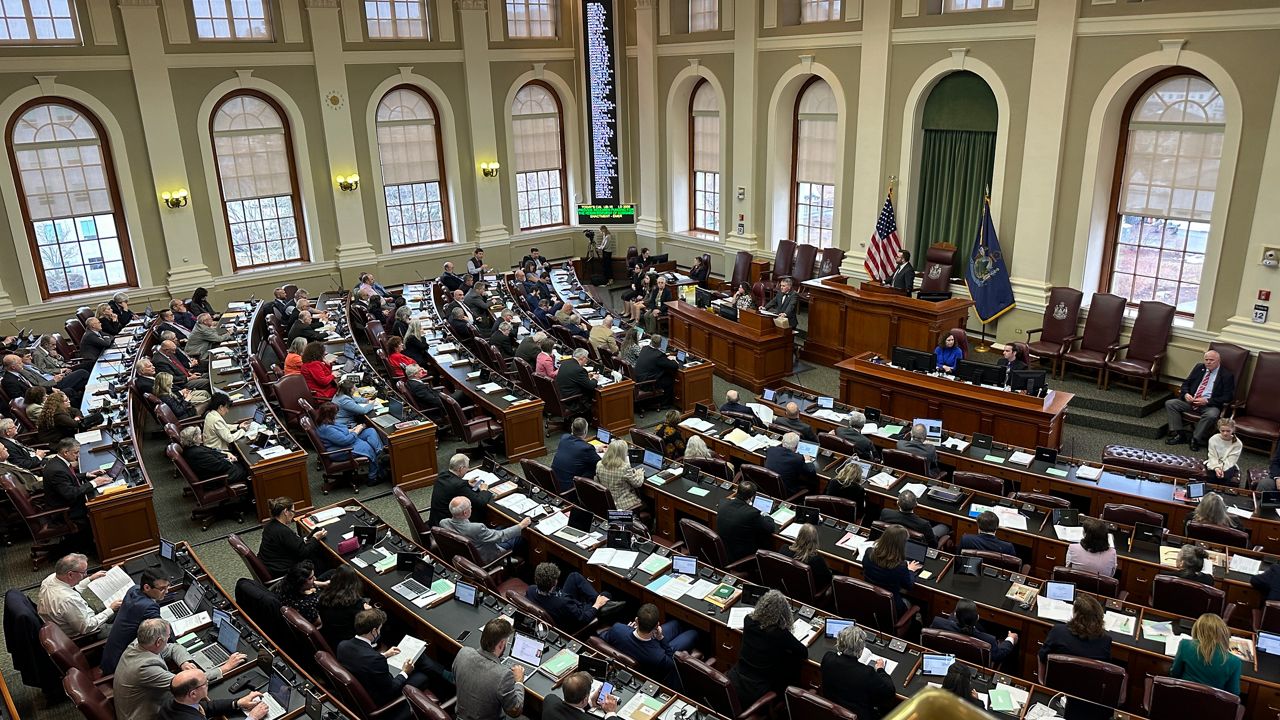
AUGUSTA — With strong bipartisan support, the Maine House on Thursday approved a bill to allocate $13 million to pay private attorneys assigned to represent low-income clients.
A day earlier, Frayla Tarpinian, executive director of the Maine Commission on Public Defense Services, said her agency was out of money for assigned counsel.
The bill now heads to the Senate for a final vote. That vote could come as soon as Tuesday.
House Democrats and Republicans said they support the system, which is making headway in eliminating a long waiting list.
“It’s been challenging, but also, increasingly successful,” said Rep. Amy Kuhn (D-Falmouth). “Investing in PDS is really working. Just one year ago, we had 1,100 individuals on the unrepresented list. Today, we have less than 200. It’s still 200 too many but it is an effective program, and it is working.”
During House debate, Rep. Ken Fredette (R-Newport) said the right to justice is part of the foundation of the Constitution.+
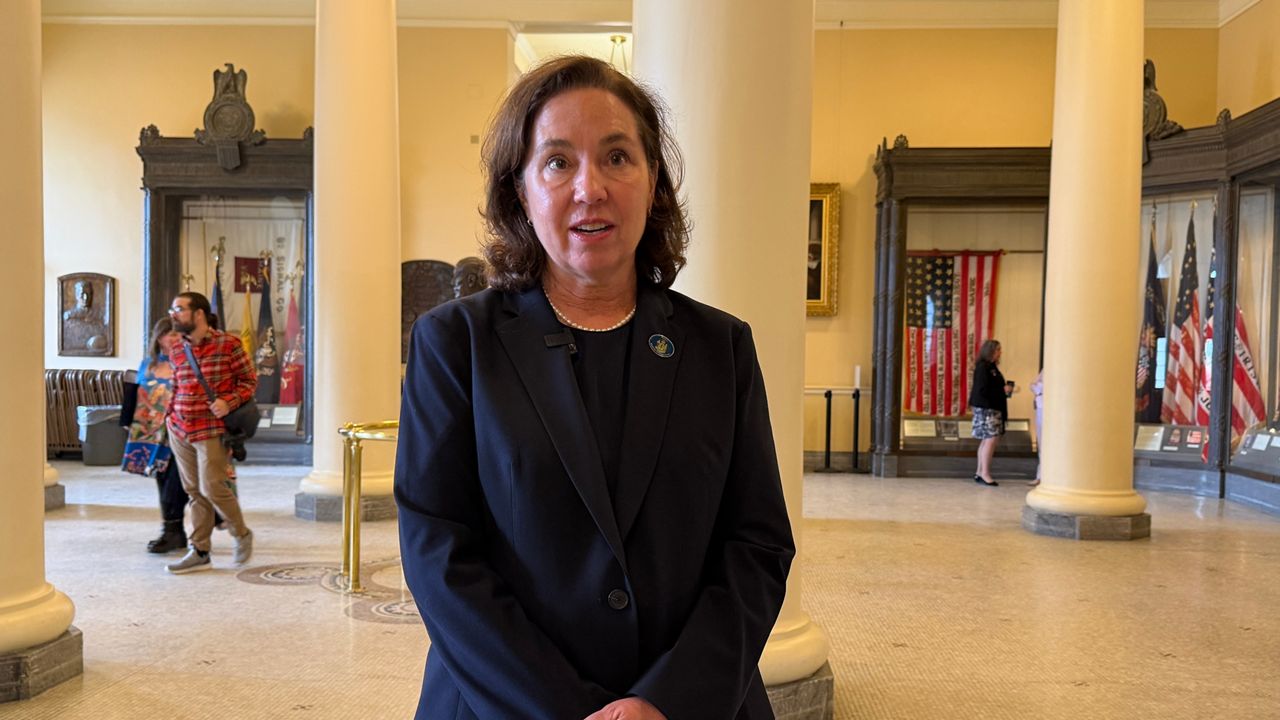
“In the most recent past, we’ve had people sitting in jail waiting for the assignment of attorneys to represent them,” he said. “The concept of due process goes to, particularly in criminal cases, the right of an individual to have a presumption of innocence and due process before they have their liberty taken away from them.”
For years, the system has been under fire for not adequately meeting the Constitution’s Sixth Amendment requirement that defendants facing criminal charges be provided an attorney if they can’t afford to pay for one.
Tarpinian said 350 attorneys from across the state participate in the system in which private legal counsel is assigned to indigent defendants.
In addition, the state has been working in recent years to create local public defender offices similar to what’s been in place for decades in other states. Those 30 attorneys are employees and are paid out of a different pool of money.
Kuhn said amid the funding uncertainty, a large law firm notified Tarpinian that it would no longer represent poor clients. The firm, which she did not name, is already representing 800 people in the public defense system, she said.
“If they were to attempt to withdraw and be allowed to do so, it would be catastrophic for PDS,” she said. “There’s no ability to replace that number of lawyers.”