




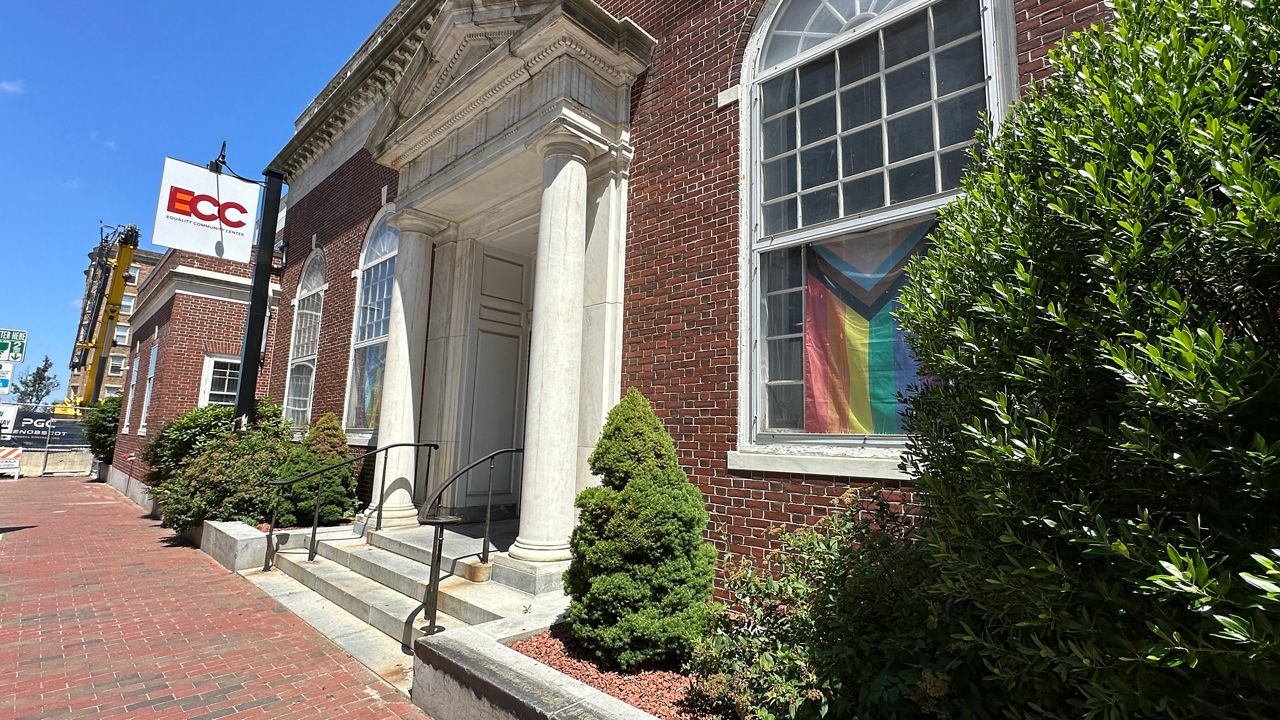
AUGUSTA — The state’s leading LGBTQ+ organization says a U.S. Supreme Court ruling on a controversial type of therapy is likely to have little impact in Maine.
On Tuesday, the nation’s highest court ruled 8-1 that a Colorado law is unconstitutional because it violates the First Amendment rights of mental health professionals. The law prohibited counselors from trying to change the sexual orientation or gender identity of LGBTQ+ minors, a practice known as conversion therapy.
In a statement, EqualityMaine said a 2019 conversion therapy law passed in Maine is still in effect. The Maine law “prohibits licensed professionals from advertising and administering conversion therapy methodology to minors,” the group said.
They described the Supreme Court ruling as narrowly tailored to the Colorado law.
“Conversion therapy remains a dangerous and discredited practice,” according to EqualityMaine. “It has been condemned by every major medical association in the country, and research has shown that it poses devastating health risks for LGBTQ+ young people.”
However, Alliance Defending Freedom, which represented the Christian counselor in the Colorado case, hailed the decision as a win for mental health professionals and children.
“Kids deserve real help affirming that their bodies are not a mistake and that they are wonderfully made,” alliance Chief Legal Counsel Jim Campbell said in a statement. “States cannot silence voluntary conversations that help young people seeking to grow comfortable with their bodies.”
Maine House Speaker Ryan Fecteau (D-Biddeford), who sponsored the 2019 law, said in a statement that the court decision “is dangerous” and “legitimizes an overwhelmingly discredited practice that causes harm to young people.”
“Despite this ruling from the nation’s highest court, I want young people to know they are not alone,” Fecteau said. “I see, support and celebrate you for exactly who you are. You do not need to be changed.”