




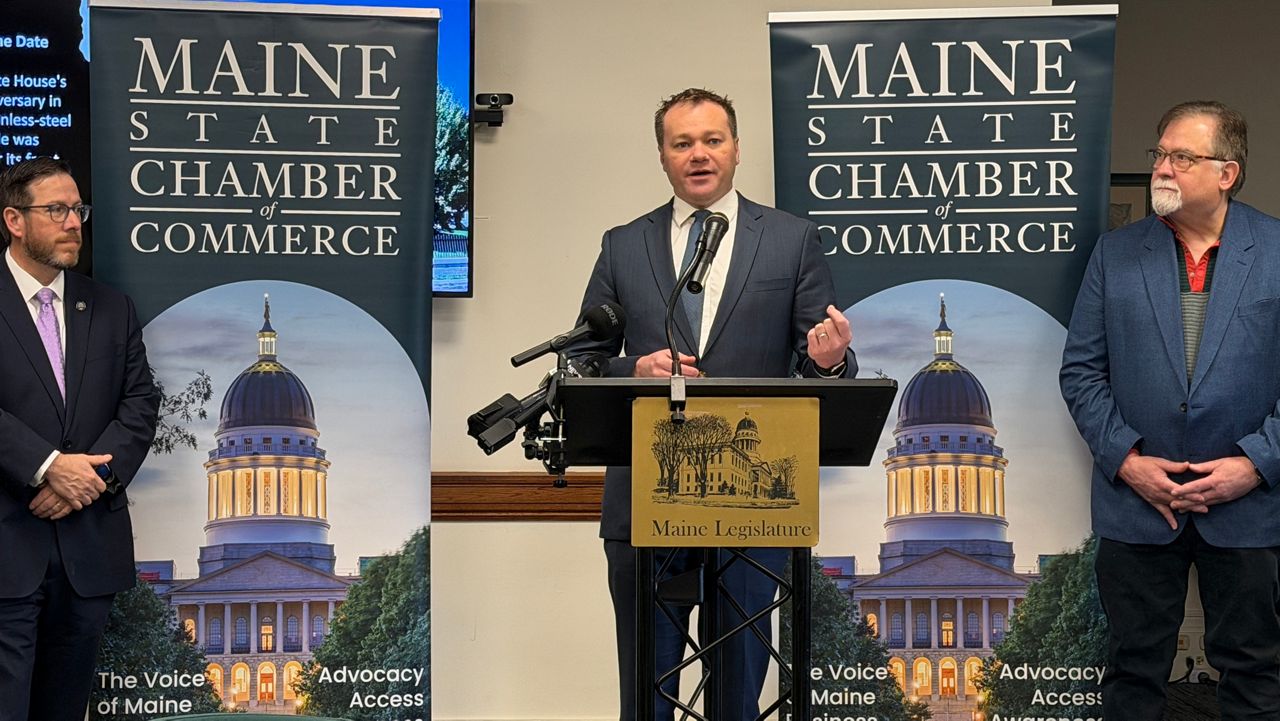
AUGUSTA — Business leaders are raising concerns about the proposed state budget, saying a new millionaires’ tax will hurt the state’s business climate.
The Maine State Chamber of Commerce and the Portland Regional Chamber of Commerce also said Tuesday that it’s a mistake to take money out of the state’s Budget Stabilization Fund.
“We urge the Legislature to reject this budget,” said Patrick Woodcock, CEO of the state chamber. “Do not raid our Budget Stabilization Fund at the moment of economic uncertainty. Do not impose a surtax on the businesses that are providing economic growth for our state.”
The proposal approved by Democrats on the budget committee includes a 2% tax on income over $1 million for single filers and on income over $1.5 million for married couples. It’s expected to impact about 2,600 filers and generate $150 million over the next two years.
It would raise Maine’s top marginal tax rate to 9.15%, the highest in New England, according to the chamber.
Woodcock said while it’s difficult to say exactly how many of the 2,600 filers are small businesses, about 30% of business owners may hit the threshold at some point in their lifetime.
“If you think about it, a small business that is selling a business could trigger that millionaire threshold, but that’s just one period, they’re not living like millionaires,” he said.
Democrats backing the proposal say it’s necessary to support energy and heating assistance programs, eviction prevention, childcare subsidies and other needs.
Rep. Drew Gattine (D-Westbrook) said part of the challenge for state lawmakers is anticipating and addressing federal cuts to food stamps, MaineCare and other programs.
“I think it makes important investments,” he said. “It looks to the future. We have a lot coming at us from Washington DC that’s going to add cost to Maine people.”
The budget, which will head to the full House in the coming days, also takes nearly $300 million out of the state’s Budget Stabilization Fund, also called the rainy-day fund. Part of that money will be used to issue $300 relief payments to more than 514,000 Mainers.
Gattine said with the high cost of gas and groceries, the checks will help low-income Mainers make ends meet.
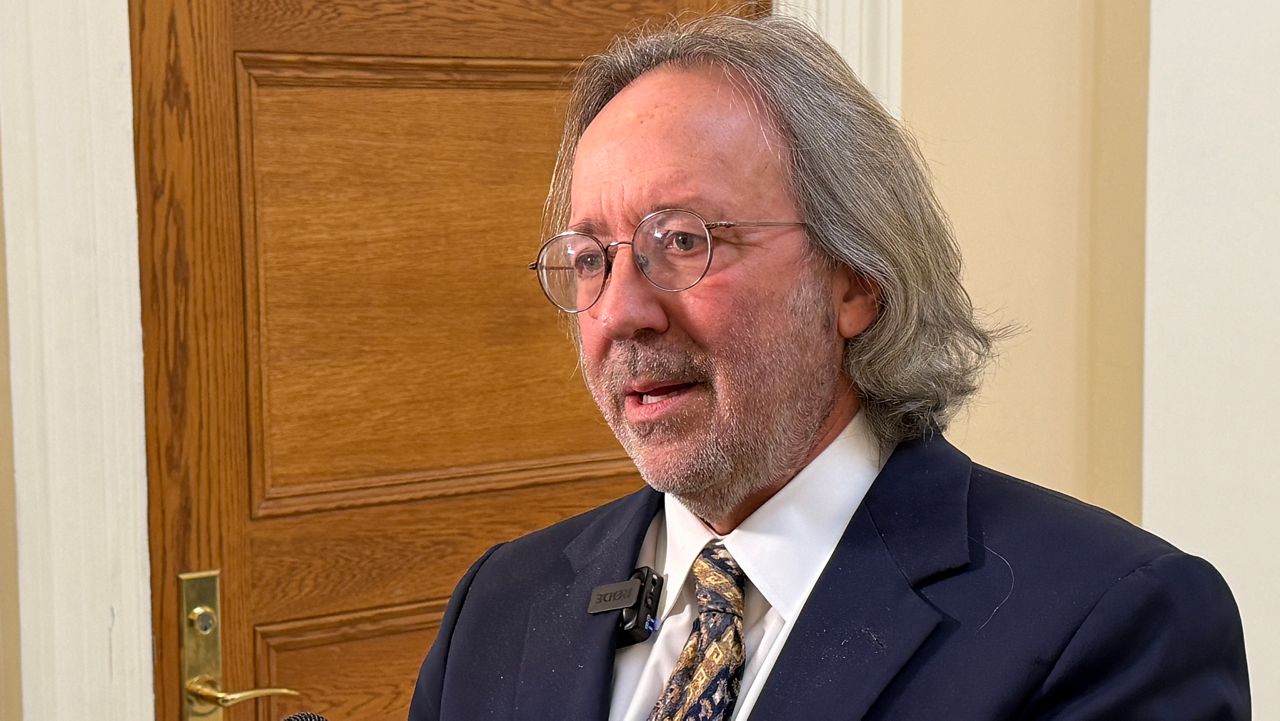
“We will have new revenue going forward, because of the things we did like this tax on high earners,” he said. “When you look at the entire package, yes, we’re going to end with a somewhat lower balance in the Budget Stabilization Fund but that’s going to be balanced out with some of the other things we did.”
Currently, the fund has about a $1 billion balance, so if the proposal moves forward, it will leave about $700 million.
The budget also continues Maine’s free community college program, a priority for Gov. Janet Mills, a Democrat now running for the U.S. Senate.
While running for reelection in 2022, Mills pledged not to support any broad-based tax increases.
But in a statement last week, she said she agreed with the millionaires’ tax because it will help support “investments in health care, education and local communities.” She said she also asked that some of the revenue generated by the millionaires’ tax be used to bolster a property tax relief program.
“It is crucial that we maintain these important investments for Maine people into the future, especially as we face such economic uncertainty because of actions of the Trump Administration,” Mills said.
Brian Langley, a former Republican state senator and restaurant owner, described the tax as a “one time exit tax” that will punish small business owners who have spent a lifetime building a business. The tax will hit when they go to sell, he said.
“That means more deals that don’t pencil out,” he said. “More businesses that are sold to out of state consolidators and fewer ownership opportunities for young families that want to build a life here in Maine.”
Quincy Hentzel, CEO of the Portland Regional Chamber of Commerce, said employers often tell her their biggest challenge is finding qualified workers. And when it comes to competing with other states to attract businesses, tax increases make it even more difficult.
“Proposals like this send a signal, fair or not, that Maine may be moving in the opposite direction,” she said. “It’s important to be clear that businesses don’t look at one policy at a time, they look at the full picture.”