




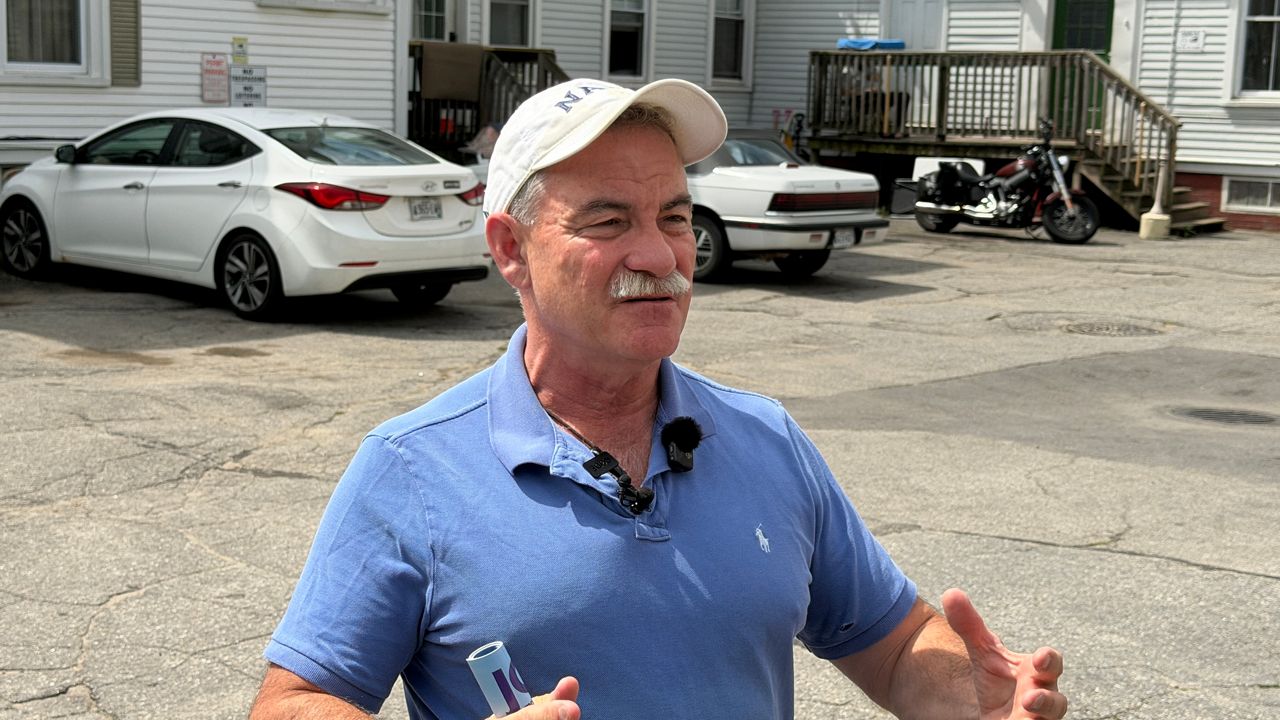
LEWISTON — Republican candidate for governor Bobby Charles said Friday he would work to increase federal funding to drive down the number of Mainers suffering from substance use disorder.
Following a tour of Phoenix House in Lewiston, Charles said he would put in place more services to help those struggling with addiction, particularly in the immediate aftermath of the administration of Narcan, which reverses overdoses.
He also said the state should be doing a better job coordinating local service providers and that it’s important to increase the number of residential treatment beds.
“What happens in this system is there are choke points and we lose people,” he said. “And when I say we lose them, I mean we lose them. And we cannot afford to lose one person.”
So far this year, drug overdose deaths are down by nearly 9% compared to the same period last year.
In 2025, an estimated 390 Mainers died of a drug overdose, a 20% decrease from the previous year. It’s a significant decline from 2022, when Maine recorded a record 716 overdose deaths.
The Mills administration, which came to power in 2019, credits the expansion of MaineCare, the state’s Medicaid program, the availability of Narcan and expanded programming for the drop.
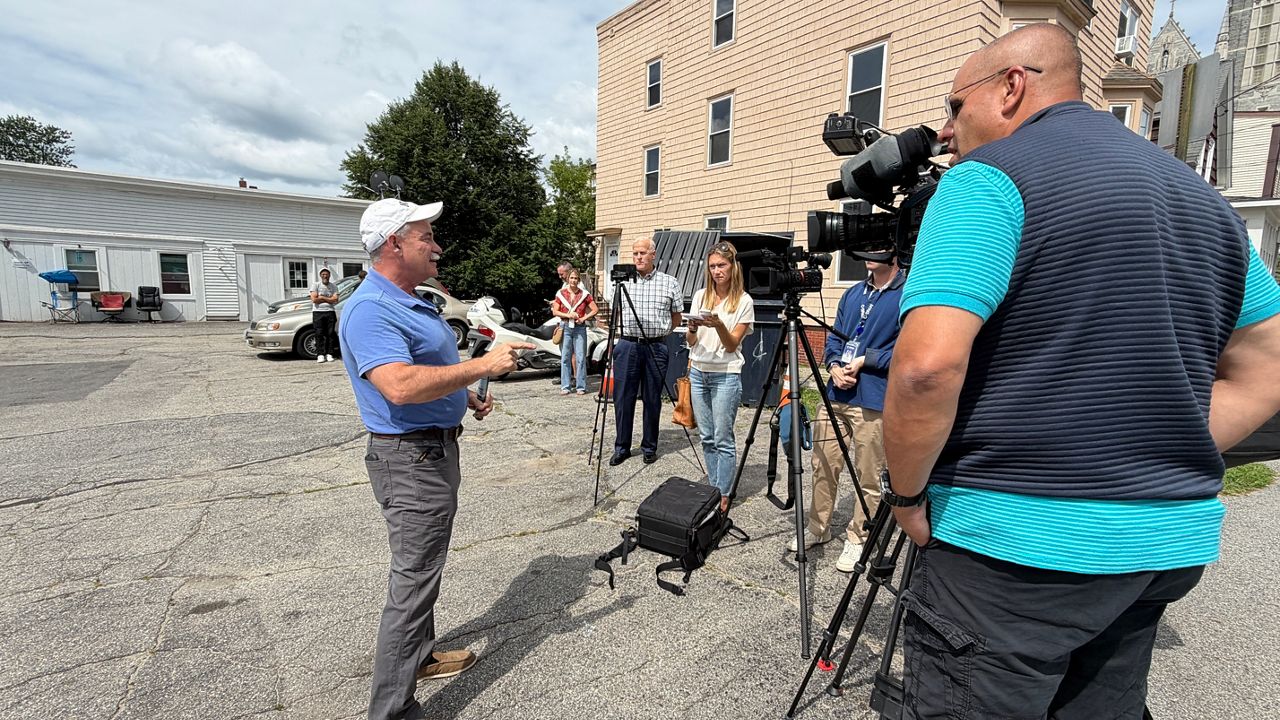
Charles, who faces Democrat Hannah Pingree and independent Rick Bennett on Nov. 3, has made crime and addiction a cornerstone of his campaign.
He told reporters he opposes harm reduction services that provide clean needles to those with substance use disorder.
“It is a perpetuation of the addiction just like methadone tends to be a perpetuation of the addiction until someone dies,” he said.
When it comes to MaineCare, Charles said he believes the Maine Department of Health and Human Services has done a poor job of oversight and of rooting out waste and fraud.
He said he supports federal changes that will institute work, school or volunteer requirements on MaineCare recipients, which experts say will likely significantly reduce the number of people eligible for coverage.
Charles, an attorney, lobbyist and former federal drug interdiction official, said he has good working relationships with midlevel staffers in the Trump administration and can work to bring more money to Maine for treatment and recovery.
“Addiction services in the state of Maine cannot survive on local money alone,” he said. “They must have federal money.”