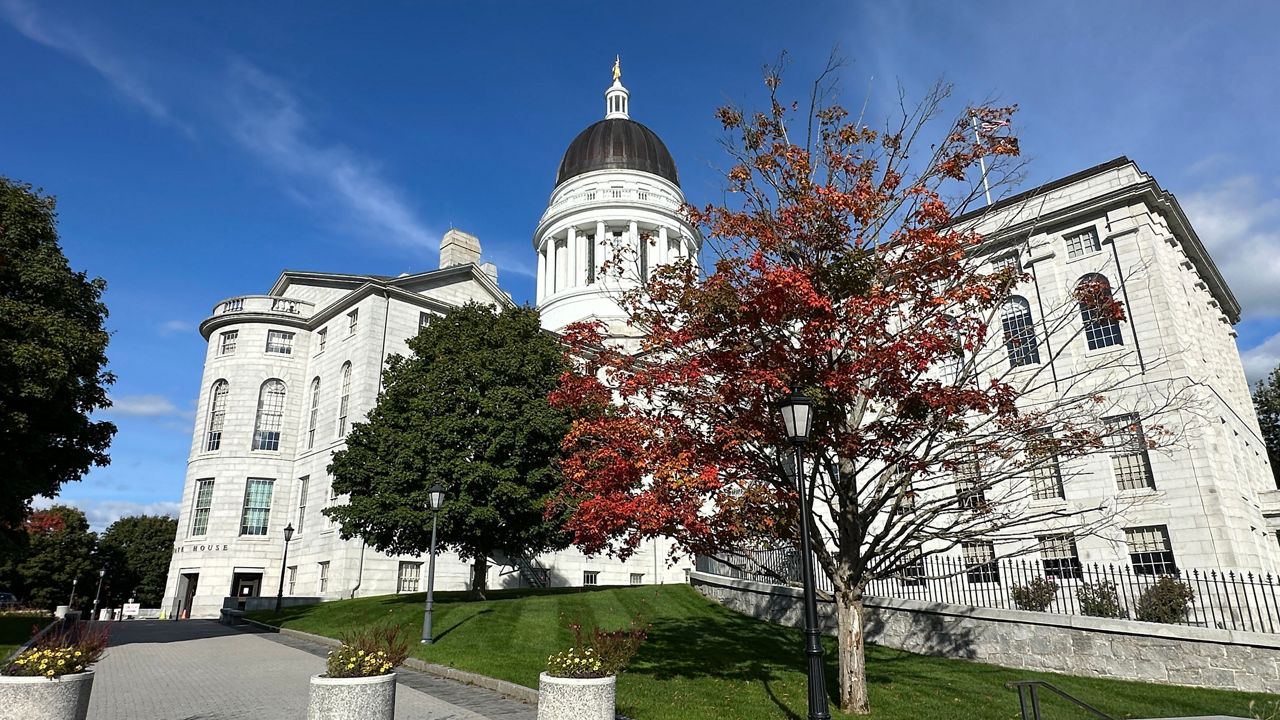
AUGUSTA — With high-profile federal races and the governor’s contest on the ballot, it’s easy to overlook the 186 Maine legislative seats up for grabs this year.
But decisions made by state lawmakers impact daily lives, from local school funding to healthcare access, the state minimum wage to electricity prices.
That’s why both parties are gearing up for competitive races.
“Maine Democrats are targeting state legislative races across the state — some of which we think we can flip with slim margins, some which we know we need to hold in order to retain a majority in Augusta, and others where we hope to make inroads to expand our map,” Devon Murphy-Anderson, Maine Democratic Party executive director, said in a statement.
Currently in the House, there are 75 Democrats, 73 Republicans, and three independents.
In the Senate, Democrats hold 20 seats and Republicans hold 14, with one independent.
Republicans last controlled the House in 2012 and the Senate in 2018.
Maine Republican Party spokeswoman Kristina Parker said they have a new get-out-the-vote effort that they believe will put them over the top this cycle.
She said the GOP is hearing frustration from voters about electricity rates, healthcare costs, and educational achievement.
“People are frustrated with education,” she said. “We’re in the bottom five or 10 states across the country in education.”
While they are out campaigning, Republican candidates are reminding voters about the growth in the state budget, which has gone from about $8.8 billion in 2019 to $14.5 billion in 2026, according to the Urban Institute.
Along with the growth in state spending, they are also reminding voters about increased taxes on cigarettes, a new tax on streaming services and increases in fishing license fees, Parker said.

While she acknowledged that gas prices are high because of decisions at the federal level, Parker said other costs have gone up in Maine over the last eight years, particularly electricity rates.
As they campaign across Maine — and compete for attention against social media ads, television spots and glossy mailers — legislative candidates are trying to break through with their own messages.
Jim Melcher, political science professor at the University of Maine at Farmington, said national headlines typically tend to influence federal races, and to some extent the race for governor, more than state House and Senate contests.
“I think nobody really knows what’s going to happen with state House and Senate,” he said. “There isn’t a lot of polling about those things. Mainers are ticket splitters. To a large extent, it’s about candidate recruitment.”
For the last two years, House Republicans have emphasized just how close they came to taking control of the chamber, often saying just a school bus load of votes would have put them over the top.
Parker shared an analysis that shows the vote margin in the 10 closest House races from 2024. In two races, GOP candidates lost by just seven and 14 votes.
With 151 seats, the Maine House — among the 10 largest legislative chambers in the country — is unpredictable, especially when it comes to elections. There are often close election night results, leading to several recounts before the final tallies are sorted out.
Democrats say this fall, they are knocking on “thousands of doors and making hundreds of thousands of calls” to make their case directly to voters.
“Maine’s working families are desperate for relief from the crushing costs of health care, groceries, gas and housing,” Murphy-Anderson said. “That’s what our candidates are running on.”
Parker said voters should think of President Ronald Reagan’s advice and consider whether they are better off today than they were four years ago.
“Democrats have been in control for a long time,” she said. “If you’re frustrated by electricity rates, property taxes and the state of the streets in Lewiston and Bangor, then we need a change of pace and an answer for that would be change in Augusta.”