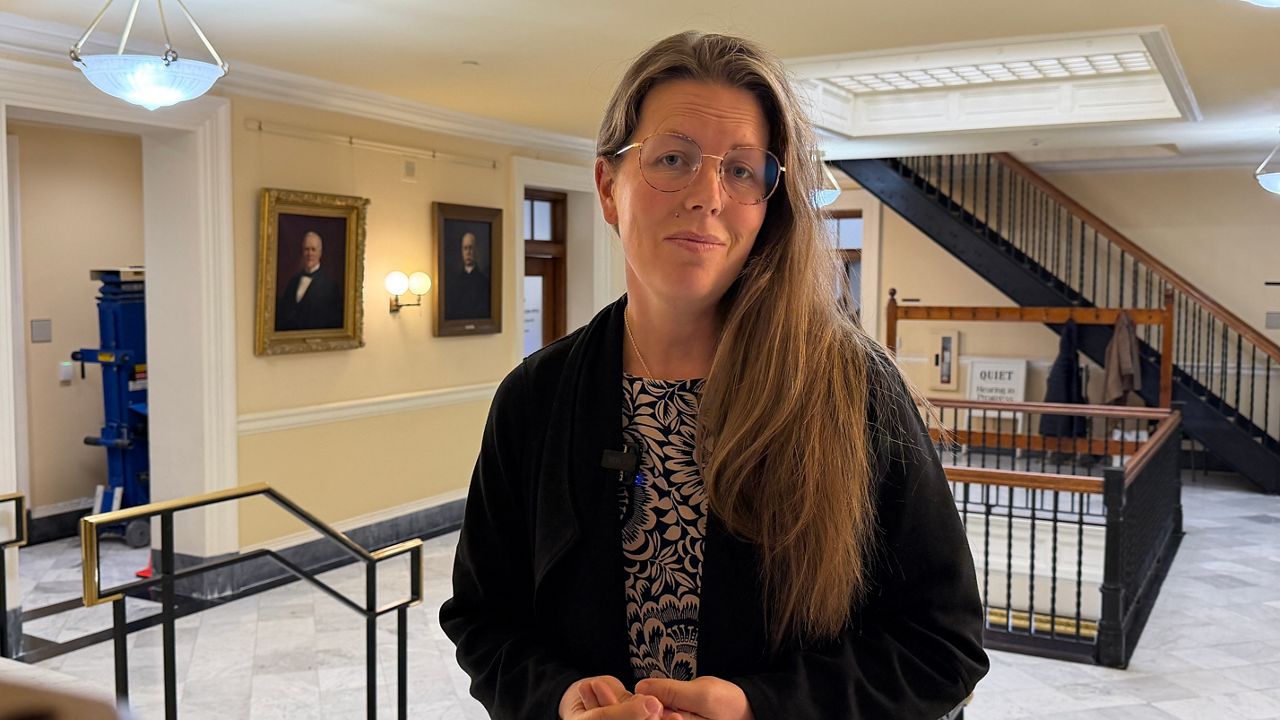
AUGUSTA — Maine lawmakers are once against considering legislation that would reestablish a parole system in Maine.
The state stopped offering parole in 1976 and now has a Supervised Community Confinement Program that allows some prisoners near the end of their sentences to be supervised in the community.
But supporters of LD 1941, a bill to reestablish parole in Maine, say the current system doesn’t go far enough to address the high cost of incarcerating people, particularly those who are older, need medical care and no longer pose a danger to the public.
Bill sponsor, Rep. Nina Milliken (D-Blue Hill) told members of the Judiciary Committee Wednesday that it costs $120,000 a year to cover the costs of an adult in prison in Maine.
She said two facilities — the Maine State Prison and Mountain View Correctional Facility — offer either hospice care or a nursing home type unit.
“Across Maine, there are men who can no longer walk who could be eligible for release yet remain incarcerated simply because there’s no legal pathway for release,” she said.
Others who addressed the committee Wednesday said they worry that there aren’t enough community services to adequately address the needs of former prisoners.
Andrea Mancuso of the Maine Coalition to End Domestic Violence said if parole is reestablished, it will be important to ensure victims have a voice.
“This should include at a minimum, the right for a crime victim to be heard in a manner of their choosing that accounts for their safety and where they are at in their healing process,” she said.
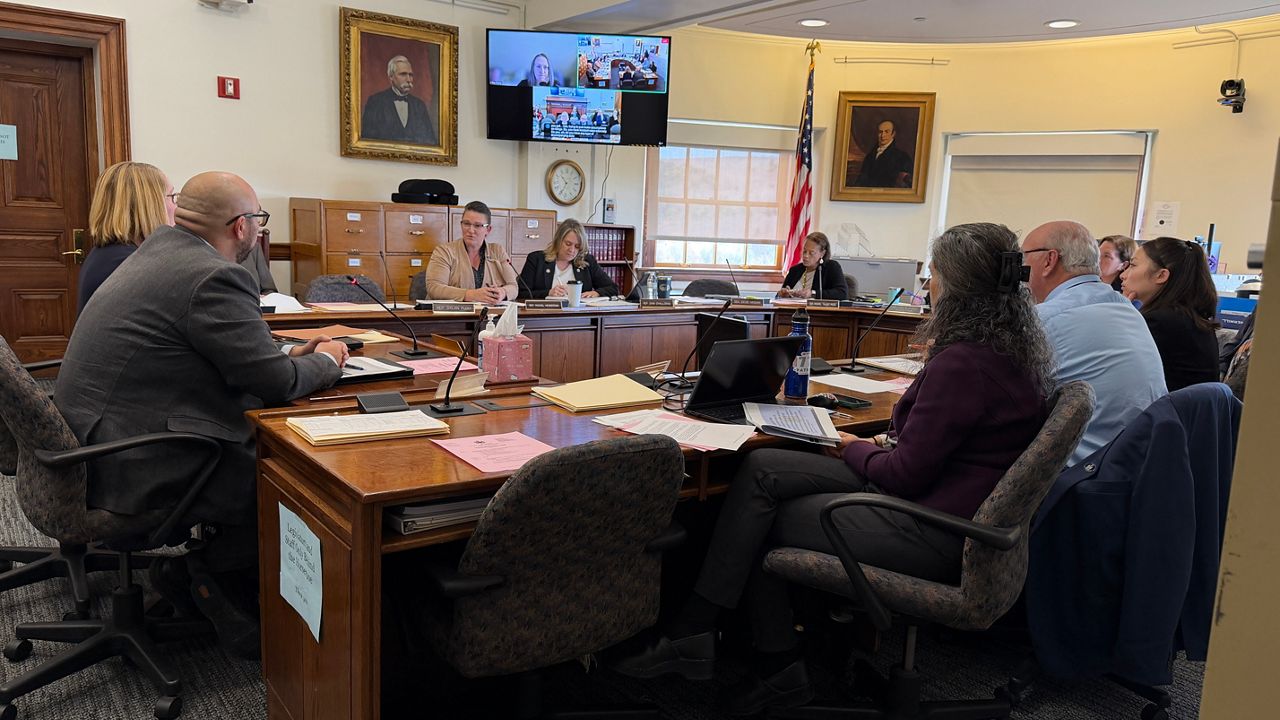
As it is now, of the 2,056 inmates in state prison facilities, only 50 are in the community release program, according to Maine Department of Corrections statistics.
Ten of those are women and among women, three are African American, said Jill O’Brien, director of government affairs for the department.
Of the 40 men, only 2.5% are African American, O’Brien said.
Those statistics drew questions from Sen. Rachel Talbot Ross (D-Portland), who asked how the department accounts for the racial disparity.
“The DOC must have some explanation as to why so few African Americans are participating in this program,” Talbot Ross said.
Deputy Commissioner Tony Cantillo said the program is voluntary and that the length of the prison sentence and time served are factors in who is eligible for the program.
Jan Collins of the Maine Prisoner Advocacy Coalition said “education, employment, job training, programming and a connection with the community,” are factors for preventing crime and for keeping people from reoffending.
“Please note that length of time in prison is nowhere on this list,” she said. “Long sentences are neither a deterrent to crime nor a measure of the probability of redemption.”
A public hearing on the measure will be held once the Legislature returns to Augusta in January.